








Drawing on the deep-rooted traditions of collective living and mutual care, the people of North Garo Hills marked a major milestone in community-driven public health with the launch of the District Nutrition Leadership Programme (DNLP) and the celebration of Red Food Day at the Damas Community Hall yesterday.
The celebration of Red Food Day is a follow-up to one of the important action points arrived at during the DNLP workshop held in Shillong on July 10, 2025.
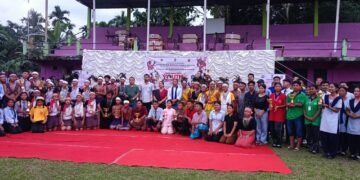
The event brought together 18 Village Organisations (VOs), the Catholic Health Association of India (CHAI), and multiple departments including Health, ICDS, MSRLS, Horticulture, Food Safety, and the District Administration.
It signaled a new chapter where communities, led by mothers, step up as nutrition champions at the village level.
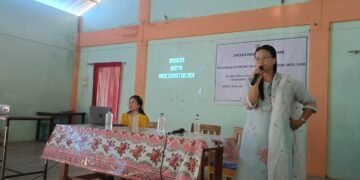
MSRLA District Mission Manager Printush M. Sangma emphasised that Red Food Day is more than symbolic; it’s a grassroots movement to address iron deficiency, undernutrition, and maternal anaemia, powered by the leadership of VOs and the community.
Resubelpara Block Development Officer Liam Tesat G Momin lauded the Damas Cluster Level Federation (CLF) for promoting homegrown solutions, noting that consistent everyday actions, like boiling water or pairing Vitamin C with iron-rich foods, can significantly improve nutrition outcomes.
A live demonstration by the District Food Safety Officer, T. T Sangma, highlighted key messages from the Eat Right India campaign.
Sangma urged the community to limit MSG, sugar, salt, and fat intake, and recommended safer local alternatives like ‘karatchi’. He also discouraged serving food in newspapers and emphasized safe food handling practices.
District Medical & Health Officer Dr. Priya Sengse R. Sangma drew attention to the link between adolescent nutrition and academic performance, encouraging regular Iron-Folic Acid (IFA) intake through WIFS (Weekly Iron and Folic Acid Supplementation). She called upon teachers and headmen to actively support these efforts and led a symbolic IFA tablet distribution to Anganwadi children.
Medical representatives, including ANMs from Damas PHC, conducted a WASH (Water, Sanitation and Hygiene) demonstration, offering accessible remedies for diarrhea and reinforcing hand hygiene. Children from three Anganwadi Centres joined a joyful handwashing activity before sharing in the community meal.
Horticulture Development Officer Chakchik A’gitok Sangma introduced the concept of Nutri-Gardens, encouraging families to grow iron- and vitamin-rich vegetables at home. The department also committed to ongoing technical support for households interested in starting backyard gardens.
Also present was District Programme Manager for Early Childhood Development (DPM-ECD) Mellora Marak, who supported the integration of nutrition-focused activities with early childhood care initiatives.
CDPO Achilles Tangrik D Shira played a key role in mobilising Anganwadi Centres for the event, ensuring the participation of mothers and young children in nutrition and hygiene sessions.
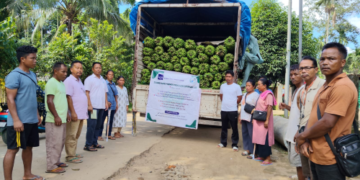
The day concluded with a community-prepared nutritious meal, cooked by VO members using locally sourced, iron-rich ingredients and firewood voluntarily donated by villagers. This act of collective cooking symbolized shared responsibility and community ownership of the nutrition mission.
What stood out most was the sense of local leadership, not just from government departments, but from mothers, youth, and traditional institutions. This embedded spirit of community ownership is what makes the Damas model both replicable and sustainable.
With Damas setting the pace, every village in North Garo Hills is now expected to observe Red Food Day weekly as part of a broader district-wide nutrition drive. Grounded in community-led action and practical local solutions, Red Food Day is becoming a living reminder that small, consistent efforts can lead to lasting change, starting with what we eat.