



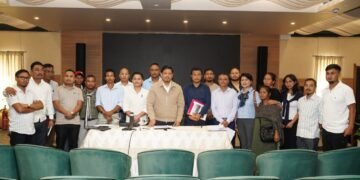



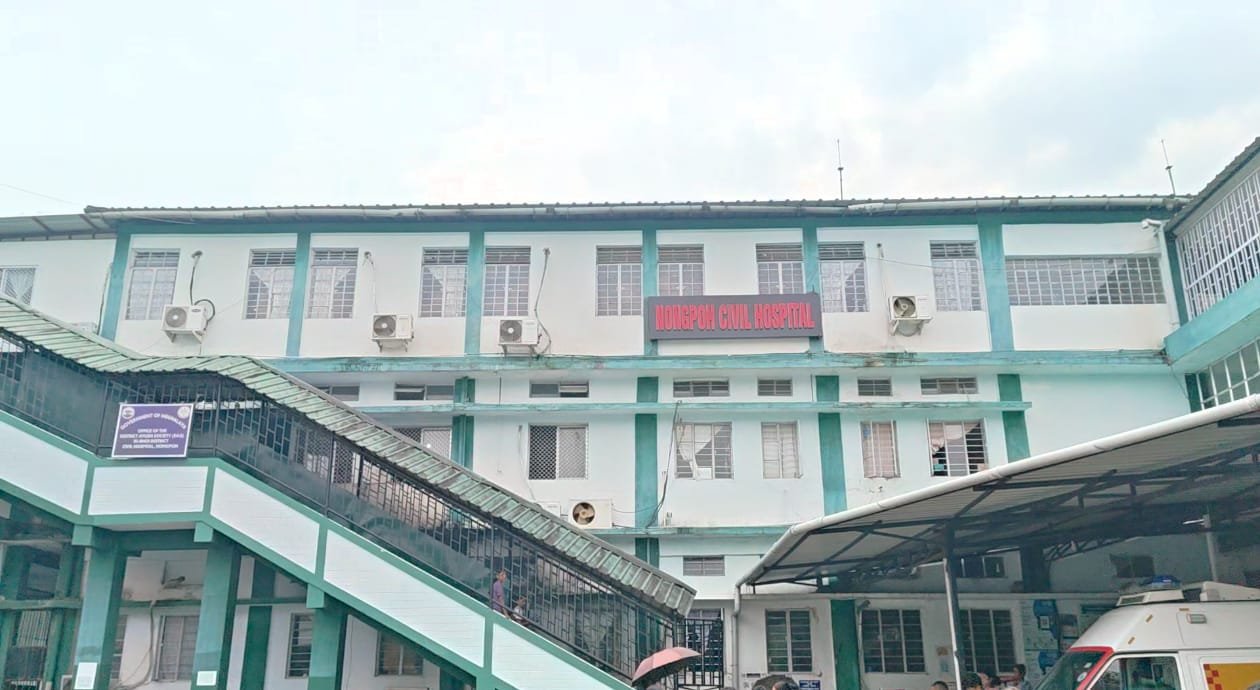
Nongpoh, Jun 3: The Ri-Bhoi People’s Council (RBPC) today met the District Medical and Health Officer (DMHO) of Ri-Bhoi to express concern over the acute shortage of doctors at Nongpoh Civil Hospital, particularly the absence of dedicated doctors in the Special Newborn Care Unit (SNCU) and Nutrition Rehabilitation Centre (NRC).
The delegation visited the hospital following numerous complaints from patients and the public regarding inadequate medical services. The RBPC also highlighted several vacant posts in the district, including those of Additional DMHO, District Malaria Officer and doctors at various Primary Health Centres (PHCs), including Mawlasnai PHC.
The healthcare sector continues to face serious manpower shortages in Ri-Bhoi, the RBPC noted, with only three paediatricians currently serving the hospital. These are burdened with responsibilities across multiple units, including SNCU, NRC, maternity wards and Outpatient Department services.
The DMHO informed the delegation that advertisements had already been issued to fill Medical and Health Officer posts at SNCU, NRC, Barapani State Dispensary UHWC and Umran Dairy UHWC. However, only one application has been received so far.
The RBPC urged the state government to take immediate steps to fill the vacant posts and investigate why qualified medical professionals are reluctant to join government service. The organisation also stated that it is prepared to take up the matter with the state’s Health Minister if necessary.
The council further expressed concern that, despite the shortage of doctors, many are frequently assigned VIP protocol duties whenever dignitaries visit the state through Ri-Bhoi, which serves as Meghalaya’s main gateway. The pressure group termed the practice unacceptable, saying it disrupts healthcare services and forces doctors to leave their workstations and patients unattended.
The organisation urged the government to ensure that medical professionals remain focused on healthcare delivery and to uphold its commitment to reducing VIP culture at the cost of essential public services.