







The Meghalaya Democratic Alliance (MDA) government continues to blame the state’s education crisis on previous administrations.
The latest round in the blame game comes in the wake of the Union Ministry of Education’s 2023–24 Performance Grading Index (PGI) report, which placed Meghalaya at the bottom among states in school education.
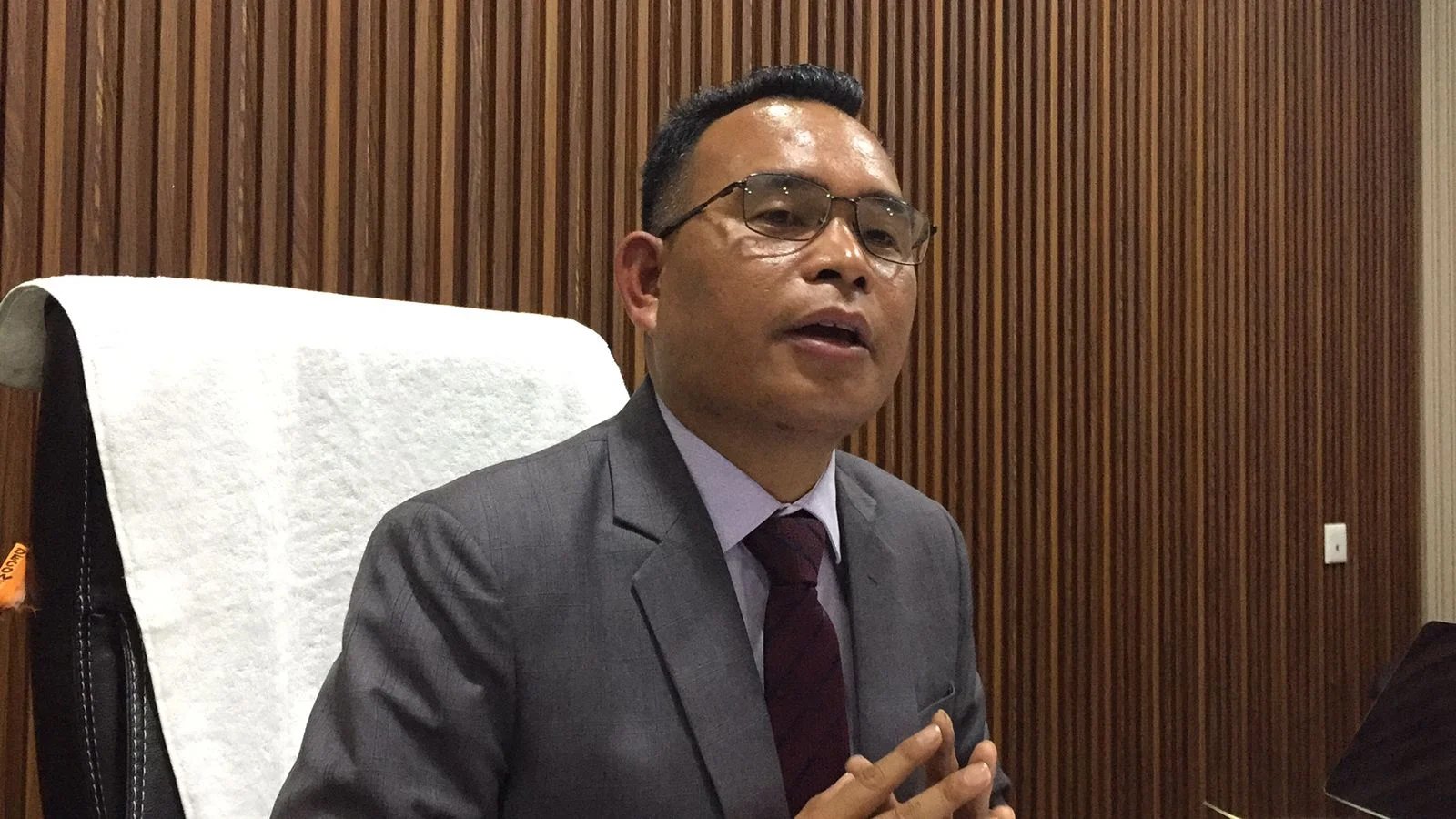
Reacting to the dismal ranking, Education Minister Rakkam A Sangma today pointed fingers at successive governments of the past two to three decades, accusing them of neglecting school infrastructure and failing to initiate reforms.
“There was no electricity, no blackboards, no classrooms. The buildings were in a dilapidated condition, enrolment was low and many teachers didn’t attend school,” Sangma said, defending the state’s performance in the PGI.
According to the minister, the current government is still grappling with legacy issues left behind by past regimes, which failed to lay a strong foundation for quality education. He claimed that the impact of that neglect continues to hinder progress.
Despite the PGI setback, Sangma highlighted that the MDA government has undertaken significant infrastructure development in recent years. “In the last two to three years, over 2,700 schools have been renovated and 700 to 800 schools have received new infrastructure including smart classrooms, toilets and improved teacher attendance systems,” he asserted.
The minister also raised doubts about the PGI’s methodology, claiming it does not accurately capture ground realities. He argued that in Meghalaya, multiple categories of schools – SSA, ad-hoc, deficit, RMSA and private – often operate within the same campus but are recorded as separate entities under a single Unique Digital Identifier (UDI).
“In one campus, you may have five different schools sharing the same library, toilets, classrooms and electricity. But if infrastructure is assessed individually for each, the statistics become skewed – what should reflect 100 percent electricity coverage might show only 20–22 percent,” he claimed.
Sangma also defended the state’s unique environmental context, saying that national benchmarks fail to consider factors like Meghalaya’s moderate climate. “Unlike states such as Rajasthan, our classrooms don’t require air conditioning, but such nuances aren’t factored into the assessment,” he said.