








Shillong, Apr 16: The Meghalaya government is pursuing amendments with the central government to make so-called scientific mining more feasible for small miners, Chief Minister Conrad K Sangma informed today.
There have been loud calls for the standard operating procedures (SOPs) to be eased, such as the requirement for mine owners to possess 100 hectares of land. This precondition puts scientific mining out of reach for most landowners in the state. However, the thinking behind the need for such a large amount of land is to make the mines financially sustainable and to also ensure that there is enough space for environmental norms to be adhered to in the disposal of mining waste, etc. If the SOPs are eased, these so-called scientific mines could end up being as bad as the rat-hole operations that they were meant to replace.
Responding to queries on demands to reduce the minimum land requirement for mining, Sangma said the state has entered a “second phase” of engagement with the Centre after successfully initiating the licensing process under existing rules. He pointed out that altering national laws is complex as any amendment would have implications across all states.
“Once a law is framed, it applies to the entire country. It is not always possible to create state-specific clauses, as that could lead to similar demands from others,” he said, while noting that the government is undertaking “extensive homework and lobbying” at multiple levels, including meetings with Union ministers and senior officials.
The Chief Minister expressed optimism that Meghalaya may receive a positive response, but cautioned that the process would take time given the legal and administrative complexities involved.
On concerns raised by locals regarding the feasibility of scientific mining, particularly the environmental risks associated with open-cast methods, Sangma acknowledged that both advantages and drawbacks exist.
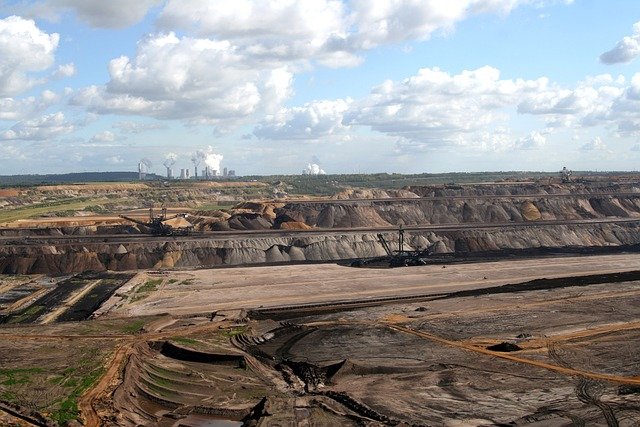
“Every method has its pros and cons. Open-cast mining, for instance, exposes the entire area, which can have implications on water flow and the environment,” he said.
However, he emphasised that mining operations are governed by approved plans and stringent scrutiny by competent authorities at the central level. “There are agencies that examine these plans before granting approvals and, at present, we have to proceed within those frameworks,” he added.