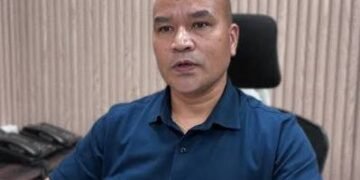






Shillong, Jun 24: Election Commissioner of India Vivek Joshi reviewed the preparedness for the ongoing Special Intensive Revision (SIR) of electoral rolls during his two-day visit to Meghalaya.
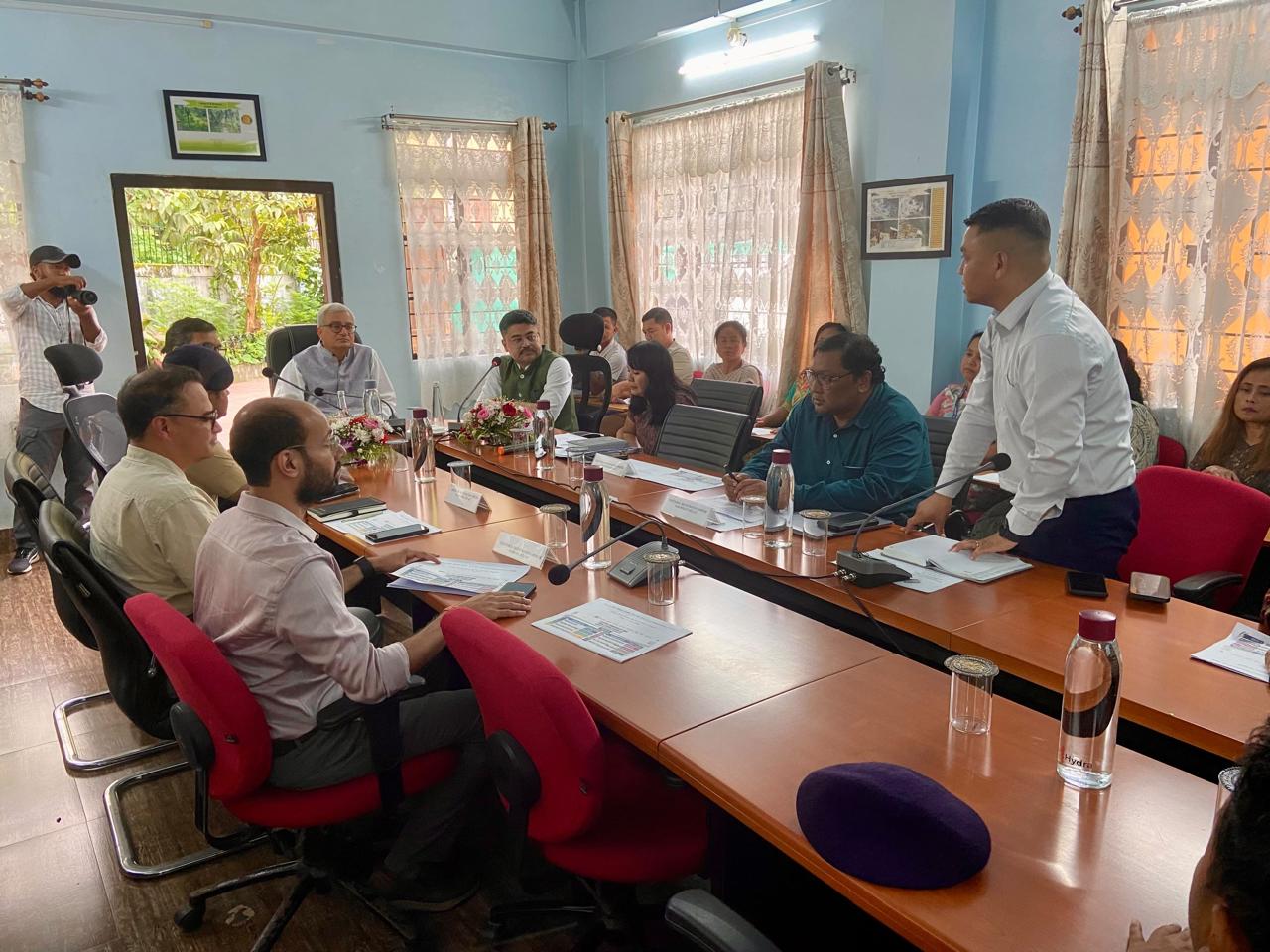
Yesterday Joshi held a meeting with the District Election Officer, Electoral Registration Officers (EROs), Assistant EROs and other election officials of Ri-Bhoi. The review focused on the implementation strategy for the SIR, along with training and capacity-building initiatives for Booth Level Officers (BLOs), EROs and AEROs.
Today, the Election Commissioner held a similar review meeting in East Khasi Hills. Joshi also inspected polling stations at Sacred Heart Boys’ Primary School in Mawlai and Pine Mount School in East Shillong constituency. He reviewed facilities and infrastructure at the polling stations and interacted with officials on voter services, electoral roll-related activities and arrangements for the SIR. A tree plantation programme was carried out at the polling station premises during the visit.
Joshi interacted with young future voters and encouraged them to actively participate in the democratic process once they attain the eligible age for registration. He highlighted the importance of electoral participation and civic responsibility in strengthening democracy.
SIR has been a contentious issue in the country, with millions of voters’ names struck off the rolls in several states, including West Bengal and Assam, which went to the polls earlier this year. Muslims, particularly, have claimed that the SIR has been unfair to them, with allegations that the community was specifically targetted to disenfranchise them, especially as few of them vote for the Bharatiya Janata Party (BJP), which runs the central government; opposition parties have largely supported these allegations. The Election Commission of India, however, has denied these claims.
Last month Meghalaya’s Chief Election Officer, BDR Tiwari, assured that the SIR would be conducted fairly. The state has a relatively small Muslim population but pockets, such as the plains region of Garo Hills, have significant communities. It is a common refrain in Garo Hills politics that many in the Muslim community there are illegal migrants.