













Shillong, Jun 18: Police have reduced the backlog of pending records in the Crime and Criminal Tracking Network and Systems (CCTNS) from around 56,000 cases to 3,143, a development that could help improve investigations and strengthen the state’s justice delivery system, according to Inspector General of Police (CID) Aditya Goenka.
Speaking on the sidelines of the Navin Nyaya Sanhita Exhibition in Shillong today, Goenka said better data management, stronger investigations and greater use of forensic science could help Meghalaya emerge as a model for justice delivery despite challenges related to conviction rates.
He noted that Meghalaya continues to be one of the country’s low-crime states, particularly in terms of violent offences. According to him, improvements in systems and processes can further enhance access to justice and the overall functioning of the criminal justice system.
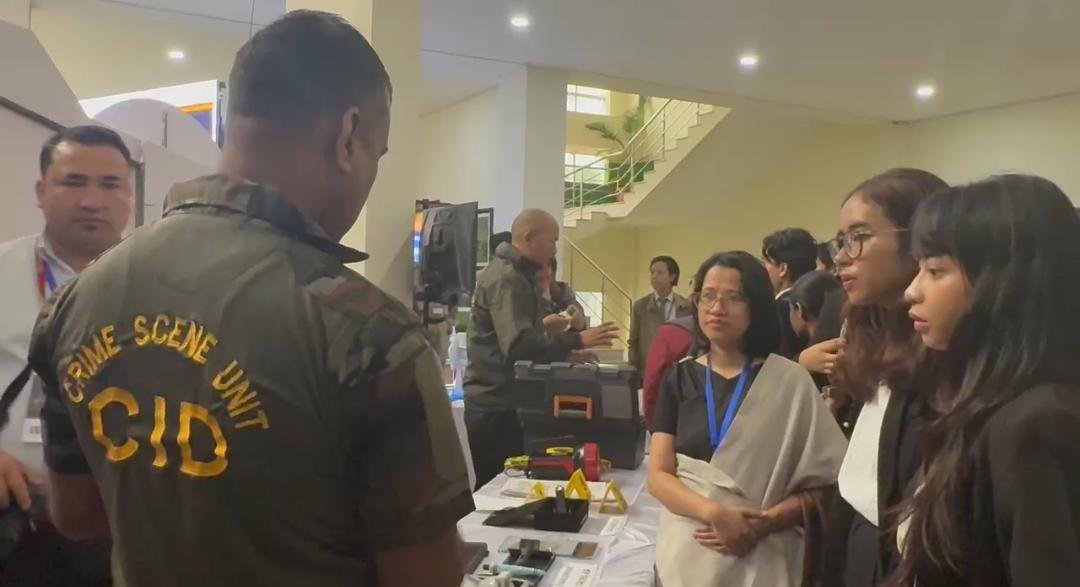
The exhibition, organised by Meghalaya Police, brought together students, community members and other stakeholders to familiarise them with the three new criminal laws – BNSS, BNS and BSA – and the reforms introduced under them. Various agencies showcased their roles in the justice system through demonstrations and interactive exhibits.
Goenka said the new laws place greater emphasis on fixed timelines, technology-based policing and the use of forensic evidence in criminal investigations. He added that the programme was aimed at helping citizens, especially students, understand how the justice system operates and the changes brought about by the legal reforms.
The exhibition featured displays by emergency response teams, crime scene investigation units, forensic experts, fingerprint specialists, the National Automated Fingerprint Identification System (NAFIS) and the police K9 squad.
On Meghalaya’s conviction rate, the CID chief said the figures should be viewed in context. He explained that a significant number of cases registered in the state involve petty theft, offences that are generally difficult to detect and prosecute, which in turn affects conviction statistics.
However, he pointed out that conviction rates in serious crimes, including offences against children, are comparatively stronger.
Goenka also stressed the importance of timely forensic reports, particularly in cases registered under the Protection of Children from Sexual Offences (POCSO) Act and the Narcotic Drugs and Psychotropic Substances (NDPS) Act. Faster processing of DNA samples and other forensic evidence, he said, would help investigators file charge sheets within prescribed timelines and improve the chances of successful prosecution.