









Shillong, Apr 18: The Nationalist Congress Party (NCP) is reinforcing its historical roots in Meghalaya by embarking on an ambitious six-month membership drive across the state targeting youth.
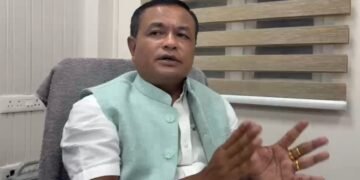
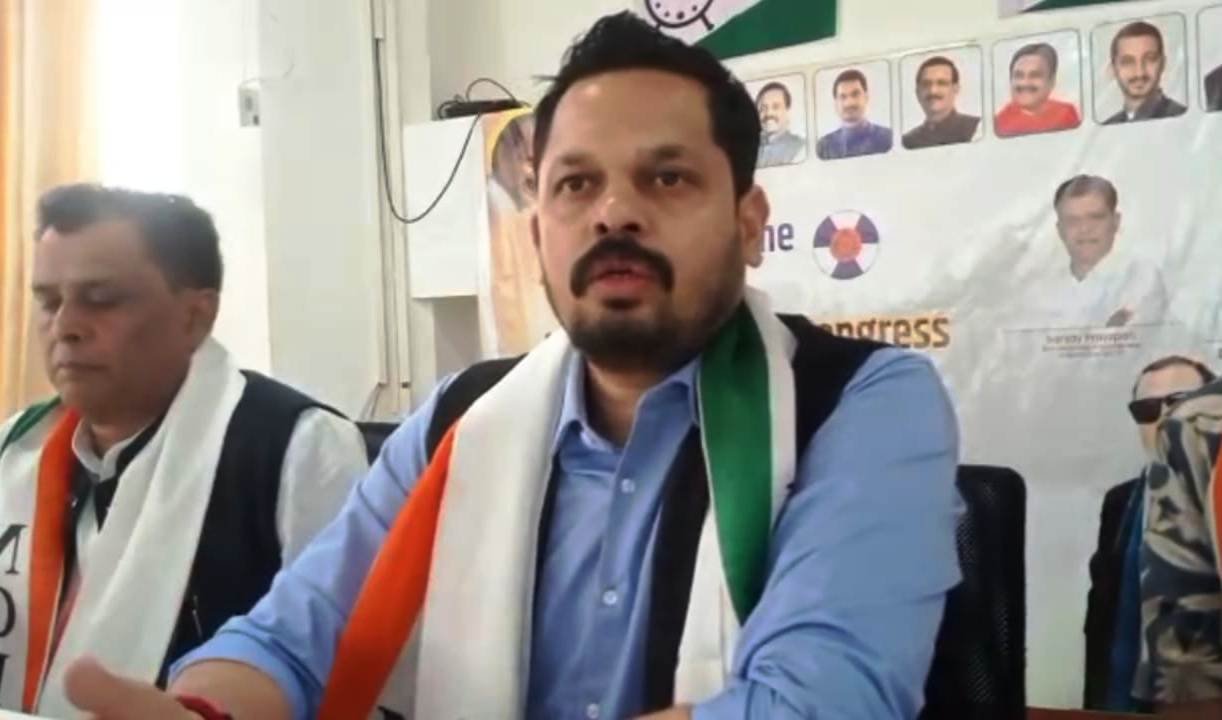
National President of the Nationalist Youth Congress (NYC), the youth wing of the NCP, Dheeraj Sharma, who was in the capital city today to announce the membership drive, spoke of the party’s foundational role in shaping present-day Meghalaya politics.
Sharma pointed out that the current Chief Minister’s past as the national youth president of the NCP highlights the deep connections the party has with regional governance. The NCP, founded by influential leaders such as Sharad Pawar and P. A. Sangma, has a rich legacy that continues to impact the state’s political landscape, he stated.
Addressing the NYC state convention, Sharma flagged unemployment, rising drug abuse and poor infrastructure as the most pressing challenges forcing Meghalaya’s youth to migrate out of the state in search of livelihoods. Calling unemployment the “biggest concern,” he said that despite expectations from the current government, there has been “little visible change” in addressing core issues.
The campaign will cover Khasi, Jaintia and Garo Hills and aims to mobilise young people and expand the party’s base, Sharma said. He added that the initiative would focus on making youth understand the historical role of the NCP in shaping the present political landscape of the state.
Stating that there are gaps in the infrastructure for healthcare and education, Sharma called for the establishment of basic facilities within Meghalaya to deter the youth from migrating in search of better opportunities.
Meanwhile, the NCP youth leader hit out at the opposition for rejecting the women’s bill, calling it a setback to women’s empowerment and a denial of dignity and respect to women.
Sharma said the opposition’s stand goes beyond a mere legislative dispute and “amounts to denying respect and empowerment to women.” He stated that by voting against the bill, opposition parties have exposed a contradiction between their public claims of supporting women’s rights and their actions in the legislature.
Urging that issues of women’s empowerment be kept above party politics, Sharma said, “Matters related to women’s empowerment should receive unanimous support across party lines,” adding that such measures are fundamental to ensuring dignity, equality, and participation of women in society.