




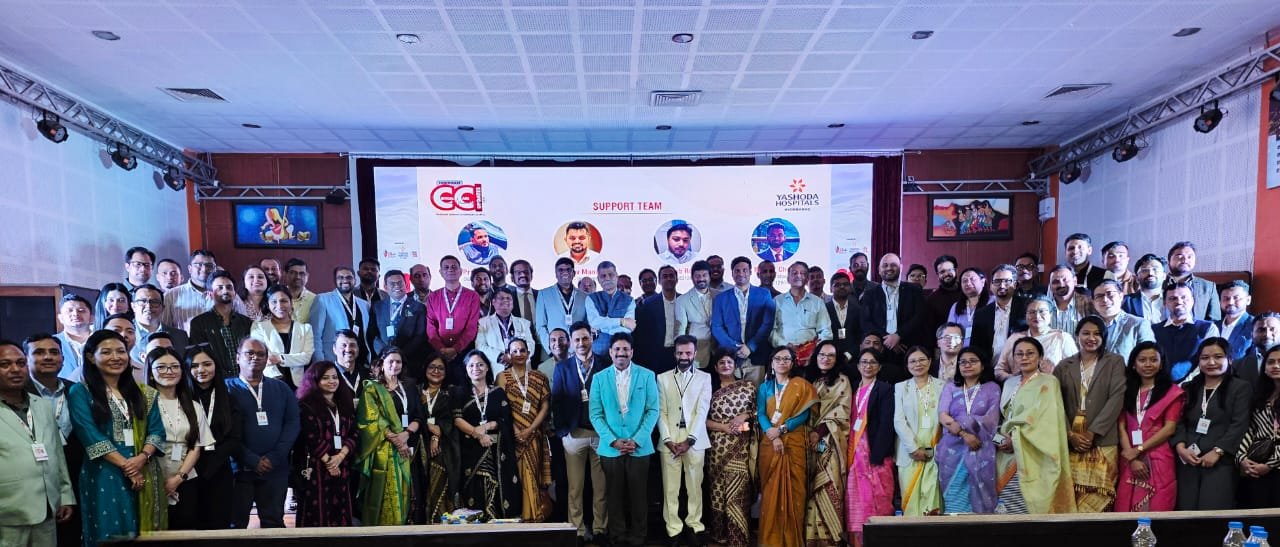
Shillong, Nov 18: Yashoda Hospitals, in collaboration with the Indian Society of Critical Care Medicine (ISCCM) Guwahati branch, organised a two-day ‘Critical Care Update 2025’ in Kaziranga.
The conference brought together more than 200 specialist doctors from all eight North East states to discuss the latest advancements in critical care medicine and the unique challenges faced in organ transplantation in the region.
Dr Pavan Goruganti, Director of the Yashoda group of hospitals, invited professionals to visit Yashoda hospitals for learning and knowledge exchange on real world cases.
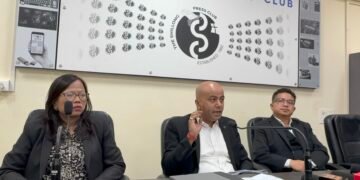
The conference was organised by Dr Venkat Raman Kola, Clinical Director of the Department of Critical Care Medicine at Yashoda Hospitals, Dr Rakesh Periwal, Chairperson of ISCCM Guwahati City Branch and Conference Coordinator Dr Rishu Gupta Khanikar from Guwahati.
Speaking on the occasion, Dr Kola highlighted that critical care facilities in the North East have progressed very fast in the last decade and successful outcomes in complex procedures like organ transplants depend on collaboration and knowledge-sharing among specialists. Dr Periwal added, “This conference not only facilitated the exchange of knowledge but also provided a common platform for regional doctors to share their challenges and explore practical solutions.”
Key sessions focused on the hurdles in organ transplantation across the North East, including renal (kidney) transplant management, liver transplant, lung transplant and heart transplant. Experts deliberated on critical issues such as severe shortage of organ donors, logistical difficulties in transportation, inadequate infrastructure and lack of specialised post-operative care.
In India, nearly 5 lakh people suffer from organ failure every year, yet only 3–5 percent receive a transplant. The situation is even more challenging in the North East due to geographical isolation and limited specialised centres. Faculty emphasised the adoption of cutting-edge technologies such as robotic surgery, individualised immunosuppressant drugs and telemedicine for long-term follow up. Doctors also shared real-life case studies, including successful deceased-donor liver transplants performed in Assam, offering hope for the region.