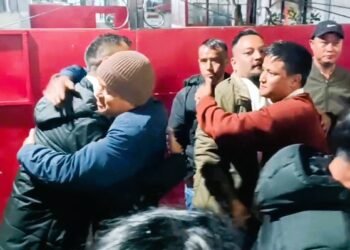







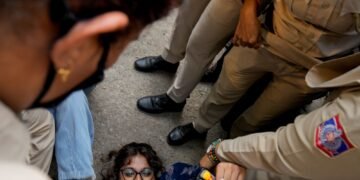




The Supreme Court has closed criminal cases against thousands of young people who protested after the NEET-UG 2026 paper leak.
The order was passed under Article 142, which lets the Court do “complete justice”. It was made after the Union government itself asked for it. FIRs filed between July 20-25, 2026 across India will be closed. No new FIRs can be filed for those dates. The Centre has also been asked to make a compensation plan within three months for families of students who died by suicide after the leak.
There is one exception. Delhi Police can take action against 2,873 people identified through facial recognition as having serious criminal records. Even then, due process must be followed.
This is an unusual order. The government asked for it. Normally in protest cases, the process is long. FIRs are filed, arrests happen, bail is slow. Here, after an initial hard response with tear gas and pellet guns and serious charges like rioting and attempted murder, the government changed its stand. The reason is clear. The NEET leak touched a nerve. Young people across states felt their future was at risk. It was not a small or local issue. The resignation of Education Minister Dharmendra Pradhan showed how serious it had become.
The Bench led by Chief Justice Surya Kant said taking part in a protest alone is not a crime, and that criminal cases should not ruin the future of young, first-time protesters. That is a strong and welcome statement.
So why is there debate? Because the Court also said this order is based on “peculiar facts” and should not be treated as a rule for all cases. That is legally careful, but it raises a question of fairness.
In recent years, other large and mostly peaceful protests – by farmers, and against the citizenship law saw many FIRs, with charges like sedition and terrorism in some cases. Many of those protesters are still facing cases.
If peaceful protest is not a crime for one group, it should not be a crime for others. That is the main argument of those who support the order but want it to go further. They fear this relief was given because the Gen Z protests were very popular, hard to label by caste or religion, and came just before an important BRICS summit.
Those who defend the government say every protest is different. Police must look at whether there was violence, damage to property, or danger to public order. The fact that 2,873 people have been kept out of relief shows the Court did try to make that distinction.
Both sides have a point. That is why this moment should be used to set a clearer standard.
Will the order be implemented properly? Closing FIRs in all states and paying compensation in three months will need real effort. Will police follow the order in spirit and not file the same cases under different names? Will this thinking be applied in the future? When young people protest peacefully, the first response should be to listen and manage order, not to file the most serious criminal cases.
The students who came to the streets came because an exam that decides their careers was leaked again. They were not asking for something extra. They were asking for fairness and accountability.
The government and the Court have taken a step to restore trust by closing cases and offering compensation. That is welcome. But trust will last only if the same fairness is shown to all peaceful protesters, not just to one group at one time.