













By M.F. Mawlieh
The theme of World Environment Day 2026, “Inspired by Nature. For Climate. For Our Future,” is an urgent call for environmental balance in a rapidly changing world. It reminds us of our shared responsibility to protect nature for present and future generations.
The Earth weeps—not with tears of joy, but with the anguish of imbalance. Once a self-regulating system of harmony, nature is increasingly strained by human activities. Climate change, driven by greenhouse gas emissions and global warming, has intensified environmental extremes, including prolonged droughts, flash floods, and erratic rainfall patterns.
Across the world, climatic conditions are becoming more intense and unpredictable. In many parts of India, monsoons that once followed a dependable rhythm now alternate between extended dry spells and heavy rainfall events. This phenomenon, often described as “hydroclimate whiplash,” reflects the rapid shift between drought and flood conditions.
Scientific observations indicate that global temperatures have already risen by approximately 1.1°C above pre-industrial levels. Warmer air holds more moisture, leading to heavier rainfall, while increased evaporation dries out land and water sources. As a result, communities increasingly face both water scarcity and flooding.
Flash floods triggered by intense rainfall have become more frequent. Dry and hardened soils are often unable to absorb water quickly, causing sudden runoff that damages infrastructure and livelihoods. In Shillong and other district headquarters, increasing construction, extensive cementing, and dense urban development have aggravated flooding. Areas such as Ïew Mawlong and Polo have experienced severe waterlogging during periods of heavy rainfall.
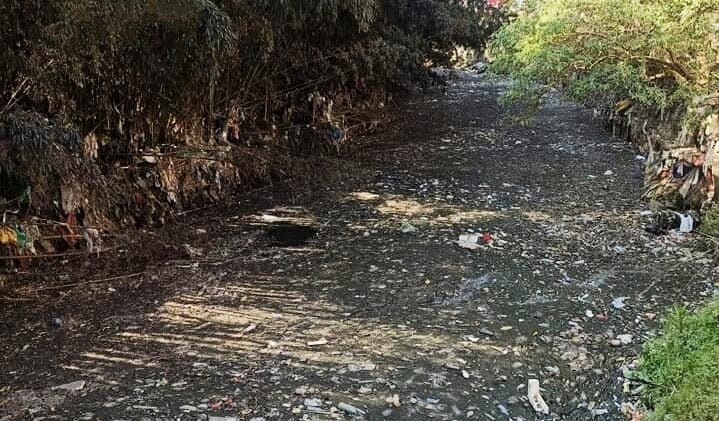
At the same time, plastic pollution has emerged as a major environmental threat. Plastic bags, bottles, packaging materials, and disposable products have largely replaced traditional alternatives such as cotton and jute bags. After brief use, many of these items are discarded carelessly into drains, rivers, open spaces, and agricultural lands.
Unlike biodegradable materials, plastics persist for centuries. They form impermeable layers on the soil surface, reducing groundwater recharge, degrading soil quality, and increasing surface runoff. Over time, plastics break down into microplastics that contaminate soil, water bodies, and food chains, posing risks to ecosystems and human health.
The Earth’s warning is unmistakable. Without meaningful intervention, environmental extremes will intensify, threatening ecosystems, economies, and human well-being.
Impact of Construction on Shillong Peak
One of Meghalaya’s growing environmental concerns is the rapid expansion of buildings and infrastructure on Shillong Peak, an ecologically sensitive area that serves as a vital groundwater recharge zone.
Shillong Peak has traditionally functioned as a natural watershed. Rainwater falling on its forested and porous terrain gradually infiltrates the soil, replenishing underground aquifers and sustaining springs that supply water to many localities in Shillong town and surrounding villages.
However, increasing construction, paved surfaces, and cemented infrastructure are steadily reducing the land’s ability to absorb rainfall. Concrete and black-topped surfaces effectively seal the ground, preventing natural infiltration. Instead, rainwater flows away rapidly as surface runoff, increasing erosion and localized flooding.
If large-scale construction continues unchecked, Shillong Peak may gradually lose its capacity to recharge groundwater. Although the consequences may not be immediately visible, future generations could face serious water shortages as springs and natural water sources decline.
The drying of springs would affect domestic water supply and disrupt ecosystems that depend on these water sources. The challenge is likely to worsen under the combined pressures of climate change, rising temperatures, and irregular rainfall patterns.
Shillong Peak is not merely a location for urban expansion; it is a natural water reservoir that supports Shillong’s long-term water security. Protecting its ecological integrity is essential for environmental sustainability.
The Scourge of Dryness, Plastic Pollution, and Global Warming
Dryness often develops gradually but remains one of the most significant precursors to environmental crises. Rising temperatures accelerate evaporation from soil, rivers, and reservoirs, steadily reducing natural water reserves.
Deforested Dry Land and an Empty Water Tap
Plastic pollution further intensifies this problem. Accumulated plastic waste obstructs the natural seepage of rainwater into the soil. Plastic bags, wrappers, and bottles create barriers that reduce groundwater recharge while increasing runoff. Consequently, communities experience water scarcity during dry periods and flooding during heavy rains.
The effects are especially visible in rural areas, where shrinking water sources and declining agricultural productivity threaten livelihoods. These changes are no longer isolated seasonal variations but part of a broader transformation driven by climate change and unsustainable practices.
Warmer air can hold greater quantities of moisture. When this moisture is released, it often results in intense rainfall events capable of delivering enormous volumes of water within a short period. Yet these heavy rains do not necessarily replenish groundwater. In areas dominated by concrete surfaces and plastic waste, most of the water flows away instead of infiltrating the soil.
Groundwater levels continue to decline as extraction exceeds natural recharge. Rivers may overflow during monsoons and cause flooding, while the same regions suffer water shortages only months later. The Earth increasingly swings between extremes—holding too little water or releasing too much too quickly.
Dumping of Plastic Waste: Poisoning the Earth
The indiscriminate disposal of plastic waste has become one of the most serious environmental challenges of modern society. Plastic materials remain in the environment for decades and often centuries without decomposing.
Plastic waste contaminates soil and water bodies, blocks drainage systems, and prevents rainwater from entering the ground. These impacts contribute directly to declining groundwater levels, environmental degradation, and urban flooding. During heavy rainfall, drains clogged with plastic are a major cause of waterlogging and flash floods.
The practice of burning plastic waste worsens the problem by releasing toxic gases into the atmosphere, contributing to air pollution and respiratory illnesses. Wildlife and aquatic organisms are also harmed when they ingest plastic fragments mistaken for food.
Particularly concerning is the excessive use of single-use plastics, including disposable packaging, carry bags, and small plastic water bottles. Many of these products are used only once before being discarded.
The Umiam Reservoir, which receives water from rivers flowing through Shillong, is increasingly threatened by plastic pollution. Waste carried through the Umshyrpi and Umkhrah river systems eventually accumulates in the reservoir, contributing to pollution, siltation, and a reduction in water-holding capacity.
If this trend continues, Umiam Reservoir could gradually lose its ecological, recreational, and economic value. Pollution may discourage tourism, affect fisheries, reduce water quality, and damage the surrounding environment.
The widespread availability of inexpensive plastic water bottles also contributes significantly to littering. Many people purchase bottled water instead of carrying reusable containers, and the discarded bottles often end up along roadsides and public spaces.
Addressing this challenge requires stronger policy interventions. Measures similar to those adopted in the Andaman and Nicobar Islands, where restrictions have been imposed on certain plastic products, provide valuable examples. Encouraging reusable bottles, cloth bags, biodegradable packaging, and responsible waste management can substantially reduce plastic pollution.
MEASURES TO HEAL THE WOUNDS: DESIGNING WITH PERMEABILITY AND SUSTAINABILITY IN MIND
Addressing environmental degradation requires more than awareness—it demands changes in how we design, build, consume, and manage resources.
- Reducing Plastic Pollution
Governments, industries, and citizens must work together to reduce plastic waste through:
- Promoting cotton, jute, and biodegradable alternatives.
- Restricting single-use plastics and small disposable bottles.
- Strengthening collection, recycling, and waste-management systems.
- Encouraging segregation of waste at source.
- Expanding public awareness initiatives on responsible disposal.
- Rethinking Concreting
Traditional concrete surfaces prevent rainwater from reaching the soil. Perforated concrete slabs, permeable pavements, and similar technologies should be adopted in residential compounds, parking areas, footpaths, and low-traffic roads.
Such systems allow rainwater to infiltrate naturally, improving groundwater recharge while reducing flooding.
- Eco-Friendly Roads and Urban Infrastructure
Permeable pavements, porous asphalt, and bioswales can significantly reduce runoff while improving water absorption and urban resilience.
- Household-Level Water Conservation
Every household can contribute by:
- Leaving portions of land unpaved.
- Installing rainwater harvesting systems.
- Constructing soak pits and recharge trenches.
- Using permeable paving materials wherever feasible.
- Policy and Governance
Governments may impose stringent rules and regulations to:
- Limit excessive impervious surface coverage.
- Mandate rainwater harvesting in buildings.
- Promote sustainable construction practices.
- Enforce regulations against illegal dumping of plastic waste.
- Protect environmentally sensitive recharge zones.
- Community Participation
Communities, particularly indigenous and tribal populations, possess valuable traditional ecological knowledge rooted in sustainable living. Reviving and integrating such practices can strengthen environmental resilience and resource conservation.
- Sustainable Development in Ecologically Sensitive Areas
Development such as in Shillong Peak, Mawpat Peak, and other sensitive regions must be carefully planned to preserve groundwater recharge systems and ecological stability.
Key measures include:
- Limiting excessive concreting and land alteration.
- Preserving forest cover and natural drainage channels.
- Mandating rainwater harvesting and recharge systems.
- Promoting permeable and environmentally friendly infrastructure.
- Protecting critical recharge zones through appropriate regulations.
Sustainable development must balance economic growth with environmental protection, ensuring that natural systems continue to support future generations.
The Path Forward Toward a Balanced Future
The Earth’s weeping is not a sign of defeat but a warning and a call to action. Climate change, uncontrolled urbanization, excessive concreting, plastic pollution, and unplanned development in ecologically sensitive areas are collectively disturbing the delicate balance of nature.
The growing pressures on regions such as Shillong Peak highlight the consequences of development without environmental foresight. If groundwater recharge zones are degraded today, future generations may face severe water scarcity and ecological decline.
Yet hope remains.
The efforts undertaken by the Andaman and Nicobar Islands to restrict single-use plastics demonstrate that strong policy measures, combined with public participation, can effectively reduce environmental damage. Their initiatives show that meaningful change is achievable when governments and citizens work together.
By reducing plastic consumption, promoting biodegradable alternatives, adopting permeable infrastructure, conserving water, protecting forests and recharge zones, and embracing environmentally responsible development, society can restore balance with nature. Development need not come at the expense of the environment; instead, it should work in harmony with natural systems.
A future with cleaner rivers, healthier ecosystems, replenished groundwater, protected hills, and resilient communities remains within reach. The Earth can heal, but only if humanity listens to its warning and acts responsibly.
As stated in Genesis 2:15of the Holy Bible: “The Lord God took the man and put him in the Garden of Eden to work it and take care of it.”
This timeless message reminds us of our shared responsibility to protect nature, reduce waste, rethink development, and preserve the only home we have for future generations.
As we march forward on our journey toward a greener, cooler, and more sustainable world this World Environment Day, let us be reminded of the beautiful and enduring message of the song We Are the World*—that when we come together as one global community, we can heal our planet and build a brighter, more sustainable future for generations to come. “We are the World, we are the Children, We are the One who make a brighter day…… We’re saving our own lives, It’s true we’ll make a better day, Just you and Me.. That a change will only come, When We Stand Together As One”
(The writer is the Superintending Engineer Energy Management, MeECL and the former Senior Electrical Inspector, Inspectorate of Electricity Government of Meghalaya)