













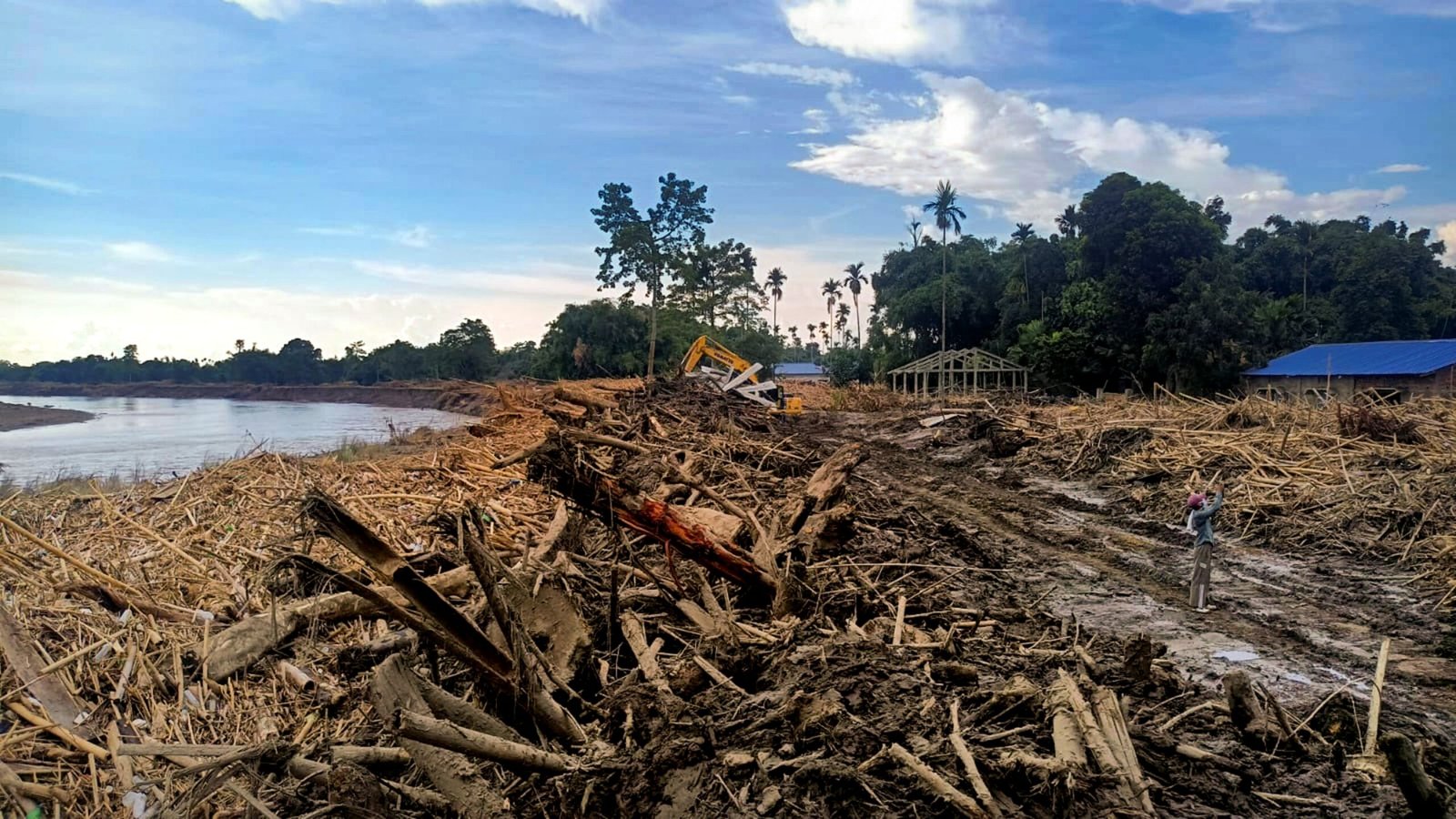
Shillong, Aug 3: Meghalaya is willing to work constructively with Assam on the issue of recent floods that have claimed scores of lives and left large parts of the neighbouring state submerged under water.
As he is wont to do, Assam Chief Minister Himanta Biswa Sarma recently alleged that unchecked construction and development in the hills around Jorabat on the Meghalaya side of the border were a major contributor to Guwahati’s worsening flood situation. In recent years he had also blamed earth cutting at the University of Science and Technology Meghalaya (USTM) campus near Guwahati for floods in the Assam city.
The Assam CM had also claimed that the Lokpriya Gopinath Bordoloi International Airport in Guwahati was under threat from water flowing down the Meghalaya hills during heavy rainfall. Guwahati is situated on the banks of the Brahmaputra River, which often overflows its banks during the monsoon, and much construction in the city has been built on what were once low-lying wetlands and paddy fields.
Today Meghalaya’s Deputy CM Sniawbhalang Dhar expressed concern over the flood situation in Assam, offering condolences to the families of those who lost their lives and reiterating the state government’s willingness to work jointly with Assam to address any inter-state concerns.
Speaking to reporters, Dhar described the situation in Assam as unfortunate, saying the floods had caused significant hardship to people across the state.
He said he has already suggested to the Meghalaya CM that a meeting with his Assam counterpart be convened at the earliest to discuss the issues and identify a collective solution.
According to Dhar, the Meghalaya government is not interested in trading blame but is committed to working with Assam in the interest of the people. He emphasised that both states have a history of cooperating on shared challenges and expressed confidence that the present issues could also be resolved through dialogue.
The Deputy Chief Minister, who also oversees the Urban Affairs Department, said infrastructure-related concerns, particularly those involving roads and highways, have traditionally been handled through coordination between the two governments.