








Shillong, Dec 2: Concerned that incidence of children from Meghalaya being taken away to another state on the pretext of studying are becoming frequent, the State Commission for Protection of Child Rights (SCPCR) has recommended the government to formulate a Standard Operating Procedure (SOP) for the movement of children below 18 years.
SCPCR Chairperson Agatha Sangma said there are a rising number of cases involving children being taken out of the state without proper procedures.
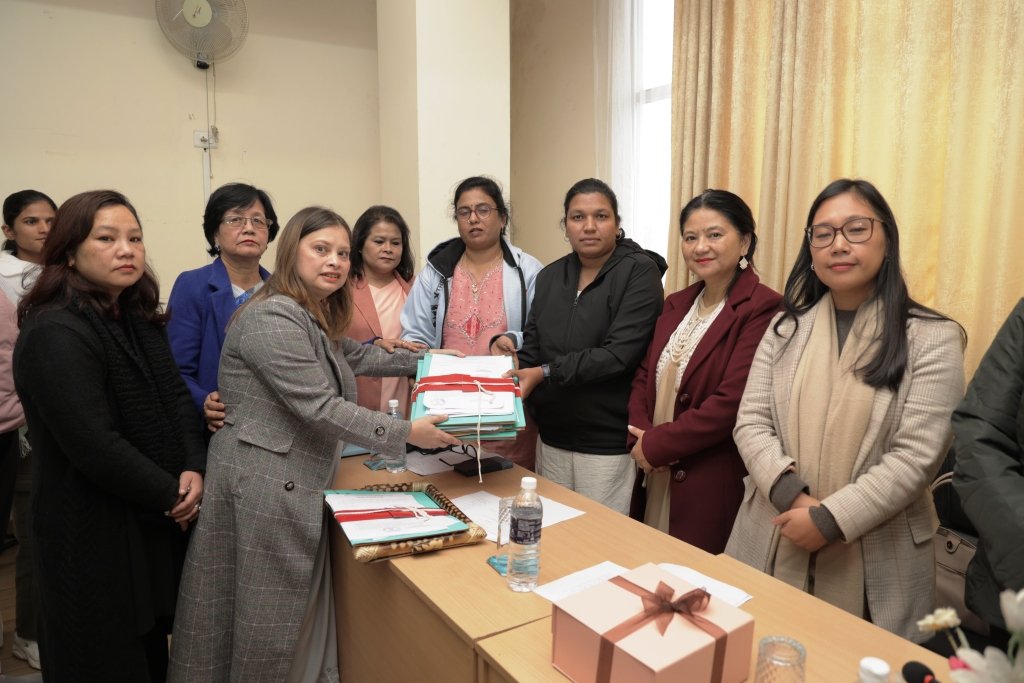
Sangma, who was present to formally receive 24 children from the State who were rescued from Sowmya Kesanupallii Student Home, in Karnataka’s Chikkaballapur district, stressed on stronger preventive mechanisms.
“The purpose of the SOP is to ensure that our children go safely to these institutions and it should be done in a more transparent and coordinated manner,” she said.
Sangma said that the current organisation– the Lei Synshar Cultural Society—was responsible for sending the previous batch of children where two died of food poisoning. She said the society is not a registered organisation and did not take any responsibility for sending the children.
“When we know that organisations are sending children those should be legally operating,” she asserted.
Sangma also emphasised the need for parents to remain informed and vigilant. She said that during interactions with the families of the affected children, many parents did not know the name or location of the institutions where their children had been sent. She urged parents to ensure they are fully aware of their children’s whereabouts and safety.
The proposed SOP, Sangma explained, would ensure greater transparency and coordination by requiring prior intimation to District Child Protection Officers, proper documentation of the children and the receiving institutions, verification of the legal status of those institutions, clarity on the purpose and duration of the children’s stay, and mandatory medical examinations before travel. It would also establish communication between DCPOs of both states to track the welfare of the children.
She also noted that the absence of such a monitoring mechanism has allowed improper transfers to occur.