










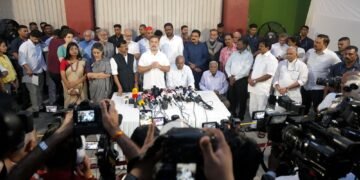



During the post-budget press conference, a particularly striking moment of Finance Minister Nirmala Sitharaman has since gone viral, capturing the attention of both traditional media and social media platforms. She was posed a direct question regarding the benefits that the recent budget would provide to the middle class. What transpired was a noticeable pause followed by a smile, after which she swiftly changed the topic, leaving the question largely unanswered. This became a focal point for discussions surrounding the budget’s implications for the middle class. It also points to a disconnection between the government’s fiscal policies and the experiences of ordinary citizens.
The middle class in India has long been regarded as the backbone of the economy, contributing significantly to consumer spending and driving growth. With soaring costs of living, escalating education fees, rising healthcare expenses, and insufficient savings, the middle class is facing what can only be described as a dilemma.
The current economic landscape presents a stark reality: the average middle-class household is struggling to make ends meet. Essential expenses such as housing, groceries, and education continue to increase disproportionately to income gains. The challenging dynamic between the rising costs of living and stagnant wages is leading to a palpable sense of anxiety. Furthermore, the lack of robust government measures to address these financial concerns is leaving many feeling overlooked.
Despite constituting a significant portion of the electorate and contributing heavily to the tax base, the budget proposals have not contained specific relief measures aimed at supporting salaried households. The absence of targeted interventions raises questions about the prioritization of needs within the budgetary framework. Without adequate support, middle-class families may find themselves unable to cope with day-to-day financial obligations, potentially leading to increased debt levels and diminished quality of life.
Neglecting financial concerns of the middle class in budget allocations could result in broader economic implications.
This viral moment underscores not just a singular incident but signals a deeper sentiment among the middle class regarding their representation and the adequacy of policy responses in their favor.
Ultimately, while the budget outlines several provisions aimed at assisting the middle class, it is crucial to evaluate the efficacy of these measures amidst a backdrop of rising costs and economic uncertainty. The focus should now be how adequately it addresses the needs of a strained middle class by balancing immediate financial pressures with long-term security.