
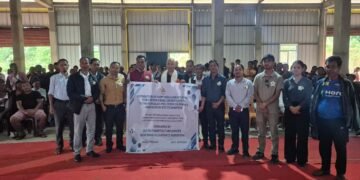




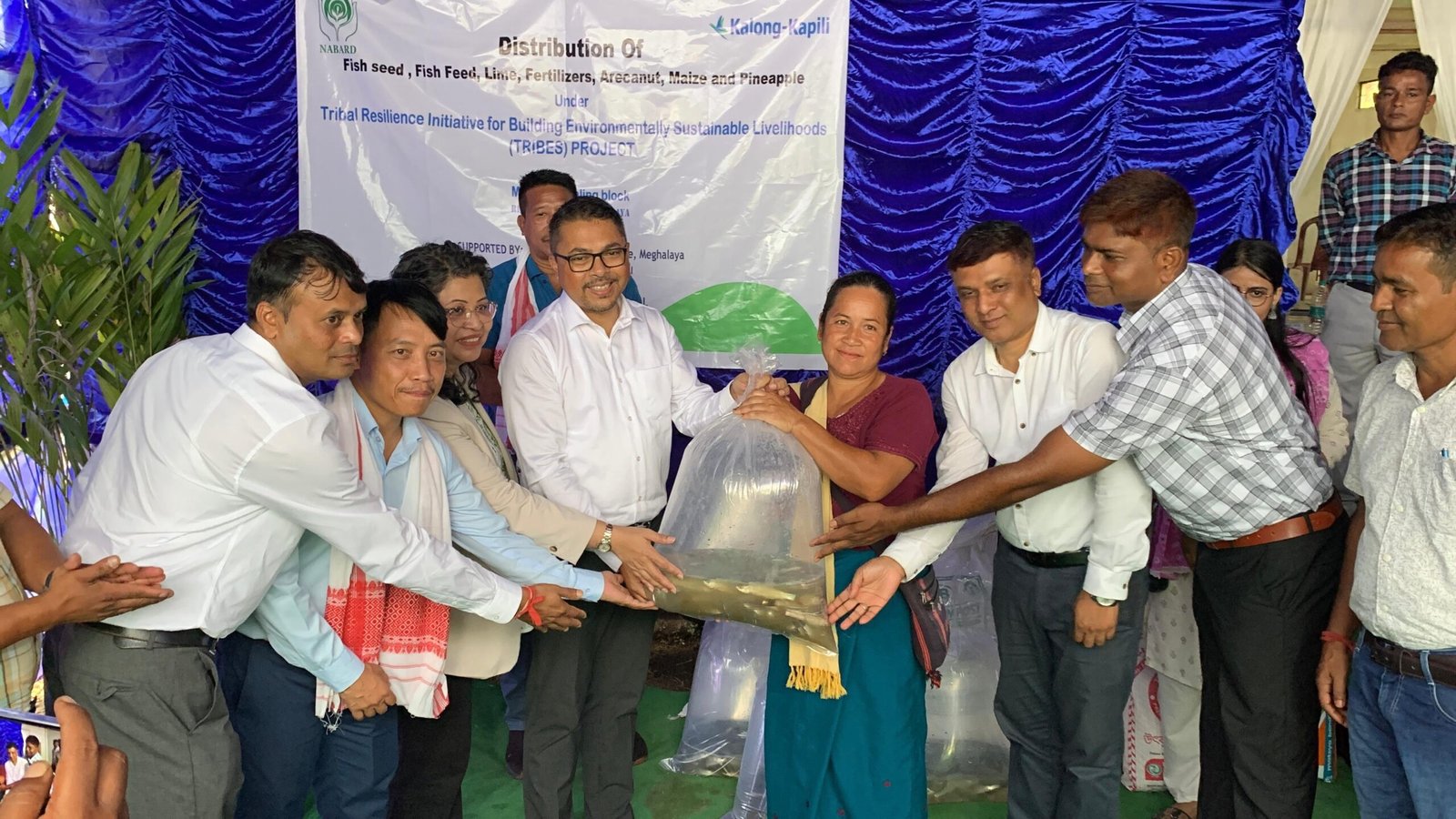
Nongpoh, Jun 15: In a major boost to fish farmers and cultivators in the Marngar area under Umling block, a project called Tribal Resilience Initiative for Building Environmentally Sustainable Livelihoods (TRIBES) was officially launched by Kalong-Kapili.
Kalong-Kapili is an organisation working towards promoting sustainable agriculture, livestock rearing, and environmentally friendly livelihood opportunities.
The project is being funded by the National Bank for Agriculture and Rural Development (NABARD), Meghalaya Regional Office, and will be implemented by Kalong-Kapili over a period of five years at an estimated cost of Rs. 1.40 crore. The initiative is expected to directly benefit around 200 farmers and fish growers from the Marngar region.
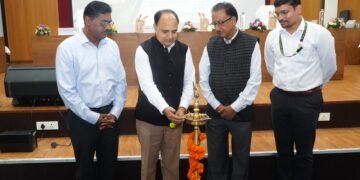
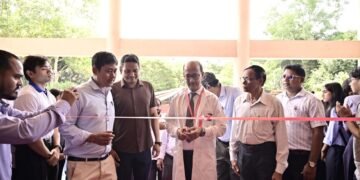
Nongpoh MLA Mayralborn Syiem, in the presence of J.R. Blah, General Manager and Officer-in-Charge of NABARD Meghalaya Regional Office, Jyotish Talukdar, Director of Kalong-Kapili, Manjil Parashar, Project Coordinator of TRIBES, Aslasha Shraborni, Fishery Expert of Kalong-Kapili, officials from the Fisheries Department, village leaders, and local beneficiaries attended the launch on Monday.
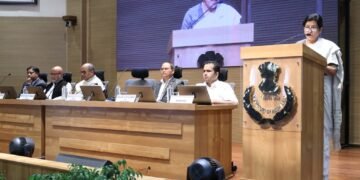
Addressing the gathering, Syiem described the initiative as a significant step towards strengthening the rural economy and improving the livelihoods of farming communities. He expressed confidence that the project would not only enhance fish production and agricultural output but also create sustainable income-generating opportunities for local residents while promoting environmental conservation.
Parashar and Shraborni highlighted the integrated farming approach being adopted under the project. They informed that, in addition to fish farming, beneficiaries would be encouraged to cultivate arecanut, maize and pineapple around fish ponds. The integrated model, they said, would help maximize land utilization, improve farm productivity, and ensure long-term environmental sustainability.
They further stated that the project aims to strengthen climate-resilient livelihoods by equipping beneficiaries with the necessary resources, technical guidance, and capacity-building support to improve production and income levels.
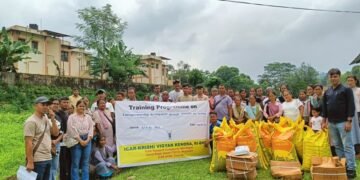
As part of the launch programme, beneficiaries were provided with fish seeds, fish feed, lime, fertilizers, and saplings of arecanut, maize, and pineapple to support their fishery and agricultural activities.