












Shillong, Sep 16: Meghalaya is strengthening Jal Jeevan Mission 2.0 with focus on reliable supply, operation and maintenance (O&M), digital monitoring and source sustainability, the PHE Department said.
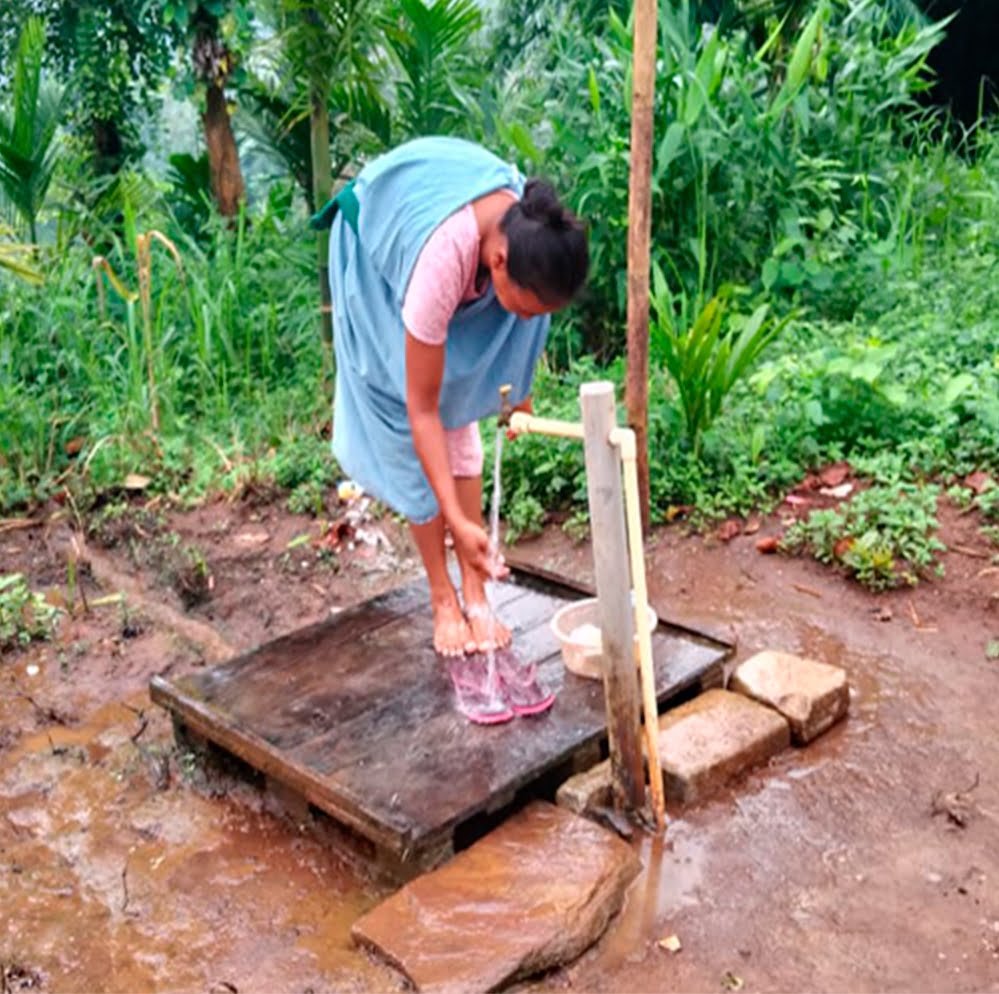
In a statement, the department said rural household tap water coverage has risen from 4,550 households (1%) in August 2019 to 5,47,869 households (84%) as of September 6, 2026, out of 6,50,854 rural households. The state has 7,795 JJM schemes, of which 6,195 have been physically completed.
The department said it is now emphasising functionality of completed schemes to ensure regular, adequate and safe drinking water, with ground-level assessments to identify gaps and take corrective action. Arrangements for O&M, including a policy framework for upkeep of assets, are being strengthened.
Scheme, asset and financial information is being consolidated to improve financial closure, reporting and planning, using digital systems and asset mapping for data accuracy and faster field-level resolution, it added.
Community participation remains key, with Village Water and Sanitation Committees (VWSCs) strengthened for scheme management and source protection.
Meghalaya’s “Catchment-to-Tap” approach continues, with 785 critical water sources identified for rejuvenation and around 55,000 springs mapped across over 70,000 spring sheds.
A Payment for Ecosystem Services (PES) model is incentivising communities to protect water sources, while Meg ARISE is restoring vulnerable catchments across 180 villages.
Water quality monitoring is being strengthened through systematic testing, with 31,829 women trained across villages to test water using field test kits.