












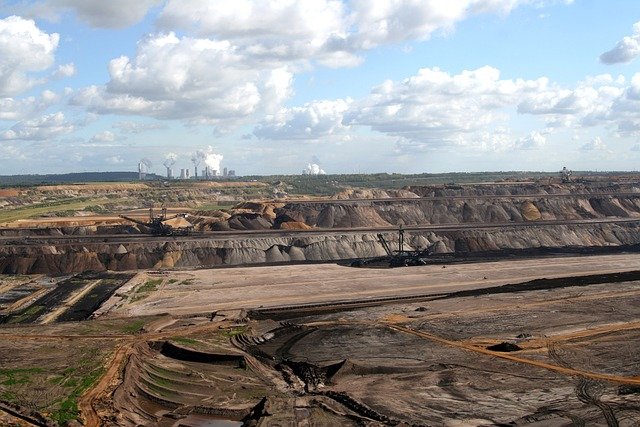
Shillong, May 3: India’s Northeast holds vast mineral wealth but remains largely underexplored, and unlocking it will require shifting focus from extraction to exploration, Controller General of the Indian Bureau of Mines (IBM) Pankaj Kulshrestha said.
Highlighting this disparity during the closing ceremony of the 15th Mines Environment and Mineral Conservation Week in Shillong, he said there is considerable mineral potential in states like Assam and Meghalaya, noting that much of it is yet to be effectively mapped.
“Compared to countries such as Canada and Australia, India invests far less in exploration and needs to prioritise it over extraction,” he said.
Addressing environmental concerns, Kulshrestha stressed that responsible and systematic mining can coexist with environmental preservation. “When undertaken responsibly and systematically, it does not damage the environment,” he said, citing examples where mined areas have been restored to forest-like conditions and mining has even increased green cover.
He flagged structural hurdles in the sector. Around 70 to 80 per cent of mines in India are spread over less than 50 hectares, making scientific and systematic development difficult, he noted. Historical allocations and regulatory complexities, particularly in Sixth Schedule areas, have also slowed mining activity in the Northeast.
Any mining in the region, he stressed, must be guided by sustainability given its dense forests and significant tribal populations. Adherence to rules from exploration to mine closure and engagement with all stakeholders are essential, with community trust being a critical factor, he added.
Kulshrestha said as the government pushes for the development of critical minerals, it is vital to do so through environmentally responsible methods. He said the focus should remain on better utilization of resources to strengthen the mining sector while respecting the environment and local communities.