





By Dr. Shweta Patil
We all know what food is to us and are aware of the process of digestion, but without really understanding it and how to use it for our better quality of life. We also unintentionally or mindlessly consume lots of food that are doing more harm than good.
Let’s understand the process of digestion, detoxification and role of anti-oxidants.
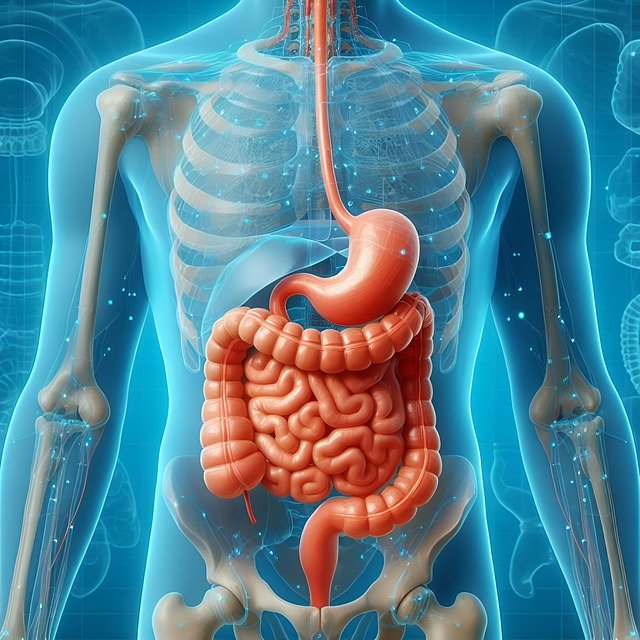
DIGESTION:is theprocess of breaking down the food so that it is small enough to be absorbed and used for energy and processed in other bodily functions.
It takes place in 3 phases:
- Cephalic: which is before the food enters into the mouth. The sight, smell, taste and thoughts of food activate saliva and digestive juices, preparing body to process the food.
- Stomach: When empty, the volume of the stomach is around 50ml. It can expand to hold up to 1.5 lts or more, after a meal.
- Small intestine:As the food passes through, about 3 ml of chyme is squirted in to the small intestine, at short intervals, as pyloric sphincter opens.
- Large intestine: This is the most metabolically active organ in the digestive process. It is up to 1.5 meters long in humans and harbours more than 400 different species of bacteria, that are knowns as ‘good gut bacteria’.
When we are under stress and working on managing it, it is important to take as much work off the digestive systems possible. Fasting, Intermittent fasting and mindful eating as well as avoiding junk food helps in controlling stress. Apart from that, certain vitamins help in managing stress as well as maintaining gut heath during the stressing times.
- Vitamin C: Stress uses vitamin C. Vitamin C-rich foods like citrus fruits, peppers, broccoli, strawberries, tomatoes help.
- Vitamin B: It directly feeds the adrenal gland. Adrenal gland is the part that drives body into fight-or-flight mode when the brain detects a threat.
- Maintaining potassium: sodium ratio, by consuming green leafy vegetables.
- Zinc and magnesium levels: Foods rich in these are whole grains, nuts, seeds, leafy greens, shell fish, turkey etc
These can be best consumed through food or as supplements.
DETOXIFICATION
We inadvertently consume lots of toxins, especially in today’s era of junk food, pollution and adulteration. The toxins are converted in the form of medicines, pesticides, additives, colourings, smoking, sugar, alcohol, artificial sweeteners, pathogens, chemicals and by-products of metabolic processes.
Liver is the major organ involved in detoxification. Maintaining health of liver and avoiding damage is crucial. Symptoms of toxic and overworked liver are migraine, eczema, skin rashes and allergies, to name a few. Food rich in sulphur assist in detoxification. Some of these foods are garlic, onion, eggs, leafy greens, broccoli, cauliflower, Brussels, sprouts, cabbage, and avocado.
ANTI-OXIDANTS
The above were the toxins consumed externally that damages the gut. However, there are waste products generated in the body, as a result of essential processes and reactions occurring in the body.
Free radicals: These are the highly reactive atoms/molecules/ionsby-products, and are needed for cell signalling and supporting our immune system. But these can also be harmful and damage our cells and DNA. One example of free radicals’ is ROS (Reactive oxygen species). ROS is produced in the mitochondria on exposure to X-rays, cigarette smoking and chemicals. These are also produced during exercise/physical activity (ROS activates kinase pathway which increases protein synthesis and in turn increasing training adaptation).
Anti-oxidants are produced in sufficient amount in the body, through proper diet. When balanced, nutritious food is consumed and junk foods are moderated, our body is well equipped to regulate waste removal and maintain homeostasis on its own. The supplements and food rich in vitamin E, vitamin C and b-carotene aid in this process. These free radicals are also cleared though exercises.
Little understanding of the body and the role food and exercises play, help in long term and in enjoying a good quality of life.
(The author is a doctor in Sohra)