












Shillong, Aug 24: Meghalaya’s Food Safety Department has carried out 3,726 inspections over the last three years in order to ensure that food sold to the public is safe to consume.
The subject came up for discussion in the Assembly today, with opposition MLA Rupa Marak of Dadenggre requesting further information on why the sale of Sting energy drink had been banned and then permitted again within the space of a couple of days.
Shylla said the Food Safety Department undertakes regular inspections and sampling as part of its statutory responsibilities. He said Food Safety Officers are required to inspect at least 10 food business operators every month, while collecting 10 regulatory samples and 15 surveillance samples.
Over the past three years, the department has conducted 3,726 inspections, tested 2,844 regulatory samples and examined 5,741 surveillance samples, according to the minister. The sampling covers a wide range of products, including milk, fresh food, meat, food grains, confectionery, water and other food items.
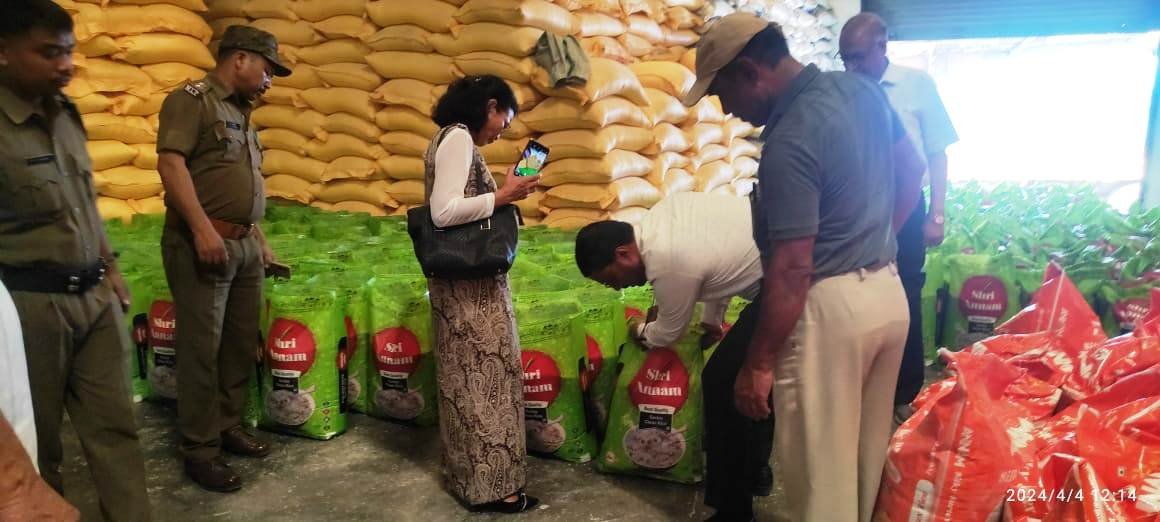
Shylla said the department had also conducted surprise inspections and would continue its efforts to ensure food safety across the state.
Sting energy drink was banned in Meghalaya after media reports linking its consumption to the death of a 12-year-old boy in West Garo Hills. However, no causal relationship between the student’s death and the energy drink was found and the ban was then lifted.
Shylla said the student died from irreversible shock due to acute gastroenteritis (AGE), leading to acute kidney injury, according to the medical report from the Civil Hospital.
According to the minister, a local newspaper reported on August 12 that a young boy had died allegedly after consuming Sting, an energy drink created in Vietnam and subsequently purchased by PepsiCo. The report subsequently went viral.
On August 13, a complaint regarding the incident was received, following which the Commissioner of Food Safety directed Assistant Commissioners and Designated Officers to take stock of the matter.
On August 14, the government imposed an interim distribution freeze and prohibition on Sting pending an inquiry. Food Safety Officers were directed to conduct an immediate investigation.
The inquiry report from the Food Safety Officer, West Garo Hills, was received at 11:45pm on August 14.
On August 15, the inquiry concluded that no causal relationship had been established between the student’s death and consumption of Sting. In the absence of medical or legal grounds to attribute the death to the energy drink, the interim freeze and prohibition were withdrawn.
Shylla stressed that withdrawal of the restriction was a factual outcome of the inquiry and should not be interpreted as an endorsement of the product. He said routine food-safety surveillance and sampling would continue.
Marak questioned whether Sting carried appropriate warnings, pointing out that energy drinks typically contain high levels of caffeine and sugar may be unsuitable for children and adolescents.
Shylla said products entering the market must comply with prescribed food-safety regulations and that their ingredients and additives must remain within permissible limits.
Marak subsequently told the House that he had checked information available online and found a warning stating that the product was not recommended for children. He sought an assurance that retailers would be prohibited from selling the drink to children and lactating mothers.
Shylla responded that if the warning was present on the label, it constituted a restriction under the applicable requirements. He added that action against violations would be taken under the Food Safety Act.
According to Shylla, the mother of the deceased gave a written statement in which she said the child had never been fond of Sting. A doctor who recorded the child’s medical history also stated that the child had not consumed packaged food or packaged drinks before the incident.
The minister said the Food Safety Department had stepped up sampling following the incident and had sent samples of Sting drawn from different districts to NABL-accredited laboratories. The government is awaiting the laboratory reports.
Shylla also said surveillance samples of the same drink had been collected before the incident, in April and May, and the laboratory reports available to the department had shown the samples to be compliant.
Leader of the opposition Dr Mukul Sangma urged the government to strengthen monitoring and enforcement of food-safety laws across Meghalaya.
He warned that the problem extended beyond energy drinks, pointing to the presence of expired packaged food products in markets and the need for greater awareness among retailers, shopkeepers and consumers.
Sangma said the government needed to review its food-safety enforcement strategy in view of the growing availability of processed and packaged foods, particularly given the exposure of children to such products.