


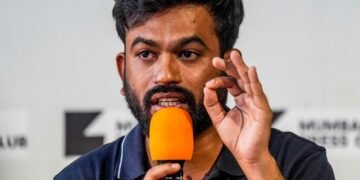


Shillong, Aug 10: The Thma U Rangli Juki (TUR) has flagged procedural lapses in the Shillong Peak Ropeway Project alleging that the project was cleared without broad consultation.
In a statement, TUR questioned the switch from “Raid Laban” to “Riat Laban” and questioned if a Dorbar Pyllun of select members can replace a full community gathering, and accused the government of bypassing traditional land custodianship.
Despite claims that the local Dorbar sought the project, TUR said, “A selective consultation with a small group of representatives does not constitute broad community consent. There is clear institutional overreach that needs urgent scrutiny.”
Demanding an immediate halt to the proposed project, the civil society group called it a “tourism gimmick” that threatens water security, public safety and traditional governance.
The group said it is not against development, but against “mindless shortsighted infrastructure” that is not people-centric.
TUR argued that the ₹151 crore project lacks long-term vision. “Tourists come to Meghalaya for its natural beauty that is rapidly being erased by steel towers and cookie cutter buildings,” it said, adding that funds could be better used for walking trails and local employment for youth as guides and shopkeepers.
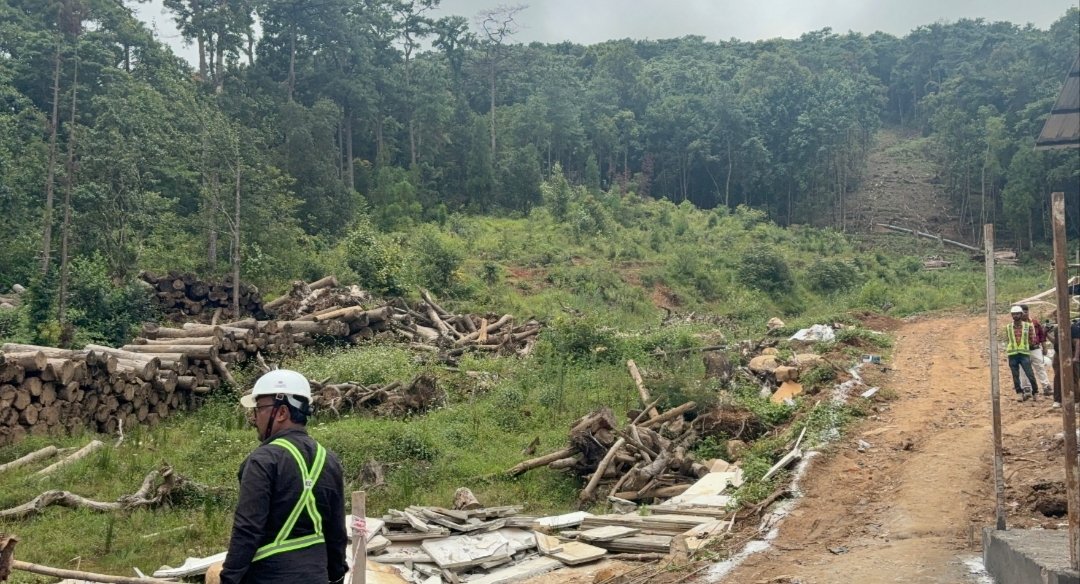
On environment, TUR rejected the government’s claim of “minimal impact”. It said cutting 545 trees on steep slopes will disrupt aquifers, alter runoff, dry up local streams, and increase landslide risk. The group noted the catchment supplies water not just to nearby areas but to many parts of Shillong. “Out-of-district compensatory afforestation will be useless to the immediate watershed,” it added.
TUR also criticised the project’s impact on traffic, saying an 896-meter cable line will draw thousands of tourist vehicles into narrow residential areas and worsen congestion, while doing nothing for Shillong’s mobility problems.
The group warned that the ropeway project may join other “graveyards” of unviable projects. It urged the government to scrap the ropeway and prioritise basic needs like water, roads and public transport.