












By Prof. Pranab Dutta
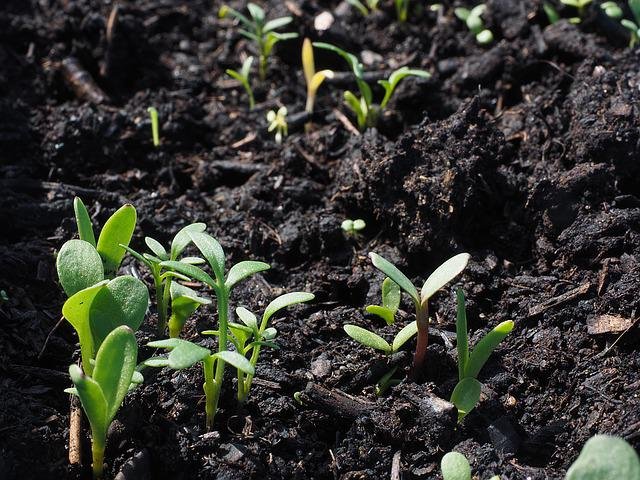
Have we ever wondered why farmers use so much fertilizer—and why so much of it goes to waste? In conventional farming, a large portion of applied fertilizers never reaches the plant. These losses don’t just hit farmers’ wallets; they also pollute waterways and harm the environment. The key to solving this problem lies in something called Nutrient Use Efficiency (NUE)—simply put, a plant’s ability to take up and use nutrients effectively.
Enter Trichoderma, a friendly fungus that is quietly revolutionizing sustainable agriculture. Globally, Trichoderma species are among the most widely used fungal biocontrol agents, making up 50–60% of all such fungi in use. India alone accounts for about 90% of the Asian market for Trichoderma-based products.
So, how does this tiny organism help plants eat better?
First, Trichoderma acts like a master chef, breaking down “locked” nutrients in the soil. It releases natural acids—such as gluconic and citric acid—that lower the soil’s pH and convert hard-to-access phosphorus into a form plants can easily absorb. But it doesn’t stop there. These acids also free up essential micronutrients like iron, zinc, and manganese. When applied at typical rates (2–10 kg per hectare or 4–10 g per kg of seed), Trichoderma can boost nitrate nitrogen by up to 319%, available potassium by as much as 17%, and available phosphorus by nearly 12%.
Second, the fungus produces a suite of enzymes—including phosphatases, cellulases, and proteases—that decompose organic matter in the soil, releasing nitrogen and phosphorus in simple, plant-ready forms. Recent studies have shown that Trichoderma’s cellulase can increase the solubilization of iron, copper, and zinc by 142–177%. In copper-deficient conditions, tomato seedlings treated with Trichoderma achieved 92% higher biomass and 42% higher copper uptake. In berry plants, using Trichoderma viride with farmyard manure cut chemical nitrogen use by 45.2 kg per hectare while still boosting yields by 6.1 tonnes per hectare. Even more impressively, combining Trichoderma biofertilizer with just 75% of the usual chemical fertilizer led to better nitrogen efficiency and higher plant nitrogen accumulation than using 100% chemical fertilizer alone.
But the benefits don’t end with chemistry. Trichoderma is also an expert root architect. It stimulates roots to grow longer, branch more, and produce more root hairs. This expanded root system allows plants to explore a larger volume of soil, soaking up more water and nutrients. At the same time, the fungus produces siderophores—special molecules that grab iron from the soil and deliver it to the plant while starving harmful pathogens of this essential metal. And as if that weren’t enough, Trichoderma also secretes plant growth hormones like auxins, gibberellins, and cytokinins, giving plants an extra growth boost.
On a broader ecological scale, Trichoderma improves soil health by enhancing key enzyme activities and stabilizing soil structure through its network of hyphae (tiny fungal threads). It plays well with other beneficial microbes like arbuscular mycorrhizal fungi (AMF) and plant-growth-promoting rhizobacteria (PGPR), sometimes working together in synergistic teams. Research shows that optimized microbial consortia containing Trichoderma improve NUE more effectively than using the fungus alone. In fact, Trichoderma—whether by itself or with mycorrhiza—has been found to increase plant phosphorus content by 55–59% and phosphorus absorption efficiency by 81.7–156.1%.
So, how do we put this knowledge into practice? Effective use of Trichoderma depends on better formulations and delivery systems that can handle real-world field variability. Exciting innovations are already emerging: encapsulated spores, biochar carriers, and nano-enabled systems that improve the fungus’s stability and performance. Scientists are also using advanced “omics” techniques to identify elite strains with superior nutrient-mobilizing abilities and environmental adaptability.
In short, Trichoderma is far more than a simple fertilizer additive. It is a living bridge between plants and soil—a biological tool that orchestrates molecular signals, biochemical transformations, and ecosystem-level processes to create a highly integrated plant–soil–microbe system. As we search for next-generation sustainable farming practices, this humble fungus deserves a starring role.
(The author is Chairman-Crop Protection CAU-CPGSAS, CAU (Imphal), Umiam. He can be reached at pranabdutta74@gmail.com/chairmancropprotection@gmail.com)