













By Dr Meghna Sarma
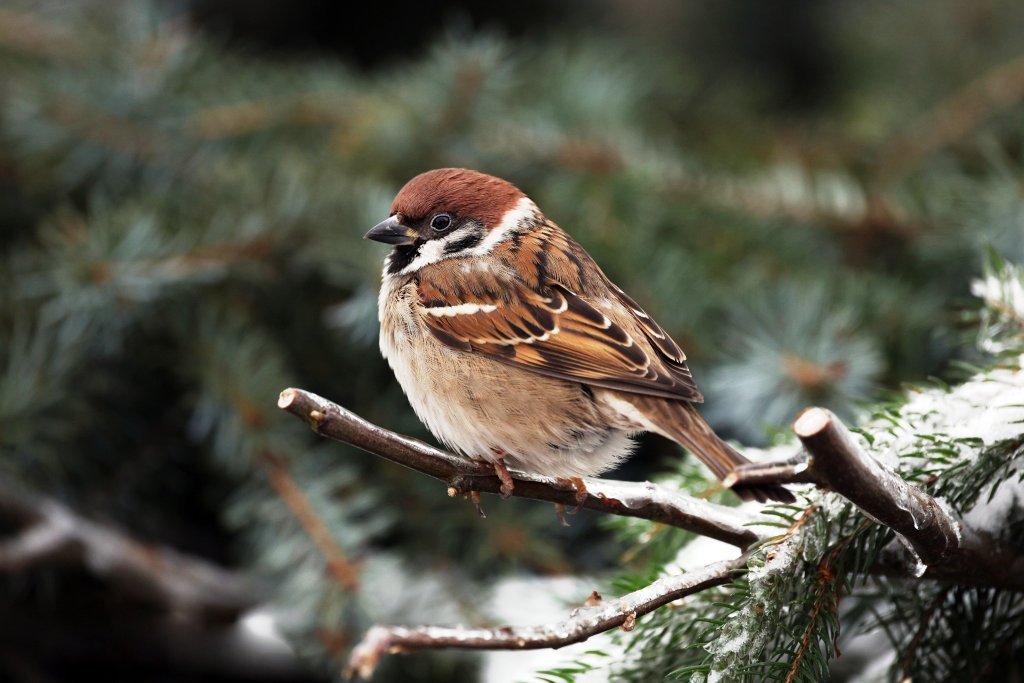
World Sparrow Day is observed on March 20 to raise awareness about the declining population of house sparrows, largely due to urbanisation, pollution and habitat loss. It was initiated in 2010 by the Nature Forever Society, a bird conservation organisation. This global event encourages people to take simple yet meaningful conservation actions, such as installing bird feeders, providing nesting boxes and reducing the use of pesticides. Celebrated in over 50 countries, the day highlights the importance of protecting urban biodiversity and reminds us to safeguard common bird species that play a crucial role in maintaining ecological balance. By observing World Sparrow Day, we can help bring these small birds back into our lives and preserve the harmony between nature and humanity. It serves as a gentle reminder to care for and protect our tiny feathered companions.
World Sparrow Day also carries a broader vision: it provides a platform for people working on the conservation of house sparrows and other common birds to connect, collaborate and exchange ideas, leading to stronger research and more effective outcomes. It aims to bring together individuals from different parts of the world, creating a united force that can play a significant role in advocacy and in raising awareness about the conservation of common biodiversity and species with lower conservation status. In 2012, the house sparrow was declared Delhi’s state bird, further highlighting its importance. Since then, the event has gained global attention, with people across the world celebrating sparrows and actively working towards their protection.
Sparrows may be small, but they play a vital role in maintaining ecological balance. They help control insect populations by feeding on a variety of bugs and pests, while also contributing to pollination and seed dispersal. Their presence supports biodiversity, making them essential to the health of both rural and urban ecosystems. In India, sparrows are more than just birds, they are a symbol of shared history and cultural connection. Despite their importance, sparrow populations have been declining at an alarming rate. Several factors contribute to this trend. Rapid urbanisation has reduced their natural nesting spaces, as modern buildings often lack the small crevices sparrows rely on to raise their young. The widespread use of pesticides has also diminished insect populations, affecting their primary food source. In addition, some studies and reports have raised concerns about the potential impact of electromagnetic radiation on these small birds.
Amid these challenges, several inspiring efforts are being made to protect sparrows and bring them back into our lives. One such initiative is the “Save the Sparrow” campaign, led by environmental conservationist Jagat Kinkhabwala. Another notable effort is the “Early Bird Campaign” by the Koodugal Trust in Chennai, which focuses on creating awareness and encouraging community participation in sparrow conservation.
World Sparrow Day 2026 focuses on conserving the declining house sparrow population, with themes such as “Save Sparrows, Save the Environment” and “I Love Sparrows.” Key initiatives for 2026 include creating sparrow-friendly green habitats, reducing pesticide use and installing nesting boxes in urban areas to address habitat loss.The day serves as a reminder that even common birds need care and attention. Rather than focusing only on rare or iconic wildlife, the event highlights the importance of small, often overlooked birds that live closest to humans and play a vital role in our everyday environment.
By observing World Sparrow Day with sincerity in our homes, schools, offices, and online spaces, we can take meaningful steps toward securing a shared future for both people and nature.
(The author works at ICAR, KVK, Ri-Bhoi, ICAR Complex for NEH Region, Umiam. She can be reached via email at meghnasarma@gmail.com)