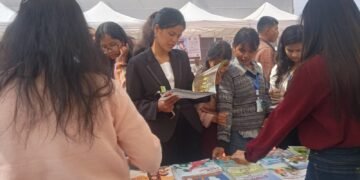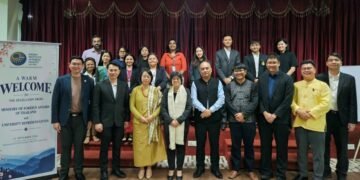

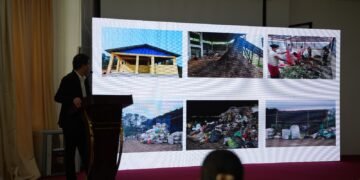

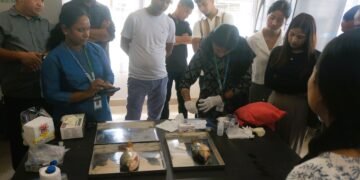
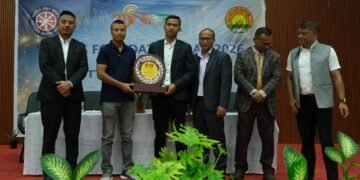





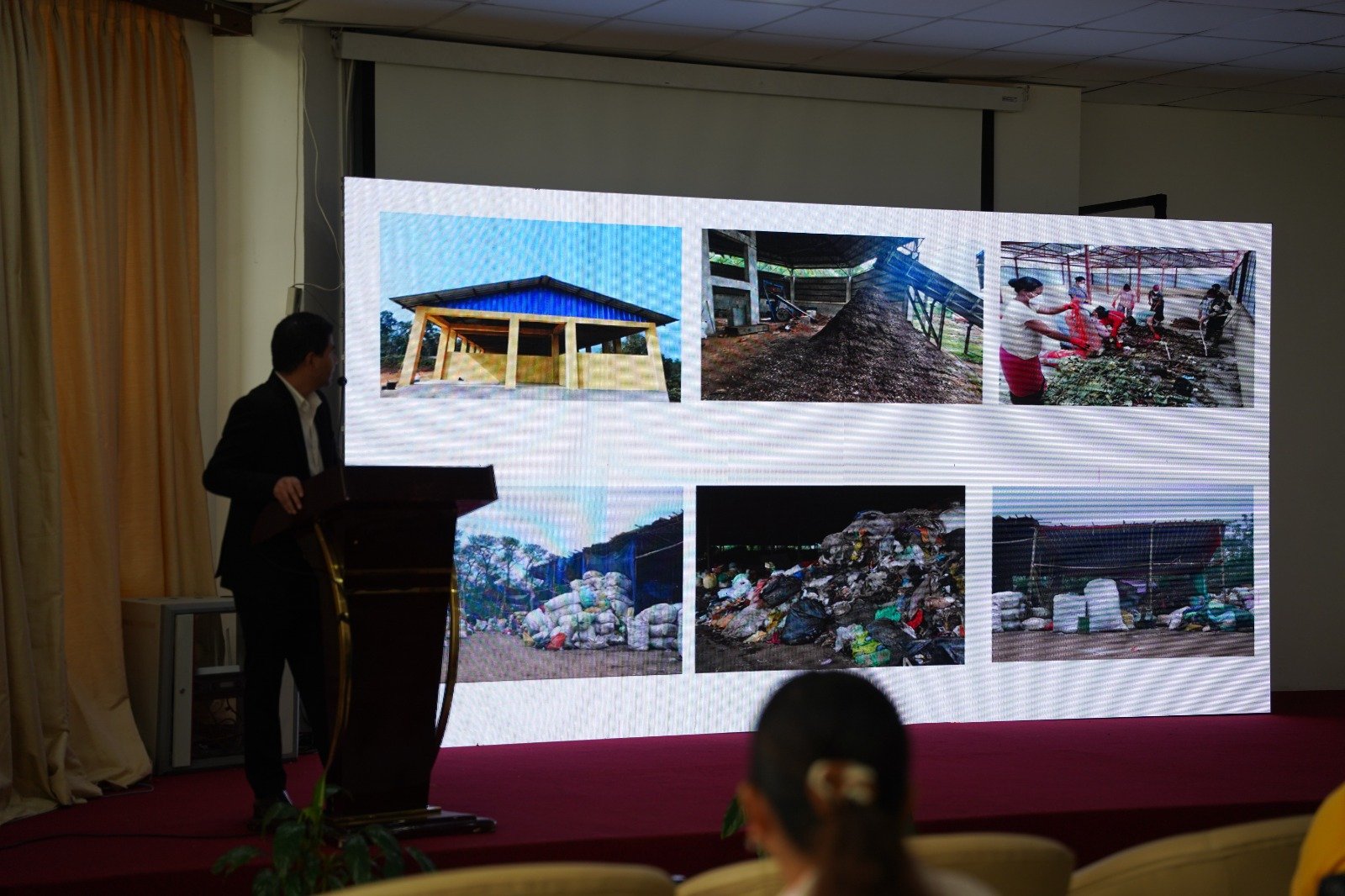
Shillong, Sep 25: The Urban Affairs in collaboration with the Press Information Bureau organised a workshop on the Solid Waste Management Rules, 2026 today as part of Swachhata Hi Seva.
The workshop brought together policymakers, regulators, municipal leaders and grassroots stakeholders to define responsibilities, review progress across urban centres, and empower communities to manage waste at source.
Speaking at the event, East Shillong MLA Ampareen Lyngdoh said it should be a “citizen-centric programme with a citizen-centered approach”. She stressed the need to translate discussions into a sustainable plan that goes beyond targets to deliver tangible results on ground, and said Meghalaya’s culture of cleanliness must extend beyond homes to communities and public spaces.
Urban Affairs Director PK Boro said Swachhata Hi Seva must be an enduring people’s movement and cannot be achieved by officials alone. He highlighted the Shillong Municipal Board’s grassroots initiatives over the past three years integrating educational institutions and Dorbar Shnongs, with a local grading system, monetary incentives and “Best Five Awards” to sustain cleanliness.
PIB Assistant Director Gopajit Das detailed the Vartalap initiative and affirmed the Ministry’s support in expanding advocacy for the 2026 Rules to ensure public understands its statutory duties, building on campaigns for bin separation and timely handover to collectors.
Technical sessions were led by CPCB Scientist-C Arnab Mandal on regulatory obligations, multi-tier implementation and tracking, and by Meghalaya State Pollution Control Board on Authorisation, CTE and CTO procedures for waste infrastructure.
The 2026 Rules mandate scientific management – segregation, collection, processing and safe disposal – with duties defined for households, commercial establishments and bulk generators, and four-way segregation at source into wet, dry, sanitary and special care waste for better resource recovery.
The programme also reviewed the status and achievements of waste management systems across 10 urban local bodies in Meghalaya and ended with a call for stronger collaboration among citizens, institutions and commercial establishments.