










It cannot be denied that Meghalaya has made great progress in economic development. It can also be said that this state has some of the most beautiful nature in the country, in its valleys, trees, flowers, hills, rivers, birds and animals.
Yet, as the years go by, the environment has degraded. Waterfalls and streams have dried up and forests have been destroyed. Sadly, this generation is now the one destroying the environment.
We plant crops and use pesticides that harm plants and the environment. The chemicals we dump into fields and streams affect not only plants but also people, wildlife and birds that use the plants and drink the water. Deforestation reduces oxygen and increases carbon dioxide.
People throw garbage into hills and rivers. People dig up the earth’s resources, cut down trees and pollute the environment, not because they need to, but because they are greedy.
The first responsibility for preventing environmental damage should rest with the traditional heads of villages, who can impose strict prohibitions and regulations on those who damage the environment.
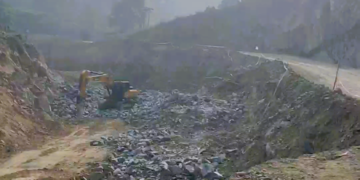
Secondly, it rests with higher authorities, such as the Autonomous District Councils and the Forest Department, which have not prevented factories from being set up by granting permission to install machinery and buildings in large forest areas.
These factories cause pollution in the environment, water sources and agriculture, because their waste is not suitable for living things. Excessive permission through No Objection Certificates by the district councils and relevant departments has weakened villages in their fight against these factories, which in just a few years have destroyed an environment preserved by our ancestors for hundreds of years.
Not all leaders have the time to think, or the vision to protect the environment and Mother Earth, until the world is badly damaged. There is no protection of natural resources, and no adequate laws to protect their use.
The result is the fury of Mother Nature against mankind, causing water shortages that threaten life itself. It is a pleasure to hear experts praise the beauty of Meghalaya’s forests, despite the fact that many have been destroyed. It is not too late to restore the environment by planting trees, but many rivers, streams and wells have now dried up.
The crisis is no longer distant. Meghalaya has recorded a 60 percent deficit in rainfall this year, while 2025 has been reported as the hottest year since 1901.
Who would have thought that in the rainy season, people would have to buy drinking water? These are the months when people used to use rainwater to cook, but now it has turned into a mess.
If we do not act now, with stricter regulation, responsible leadership and a change in our habits, we will lose the nature that defines Meghalaya. Protecting the environment is no longer a choice. It is a duty we owe to our ancestors, ourselves and to generations yet to come.