









Shillong, Oct 6: In a state famous for many things that we are proud to showcase to the world, there are still villages that remain unknown, largely because they lack development and continue to be backward.
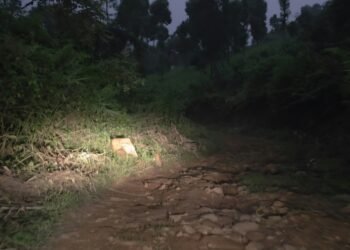
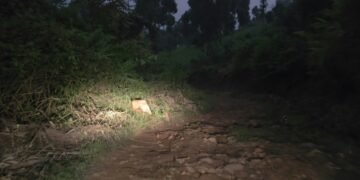
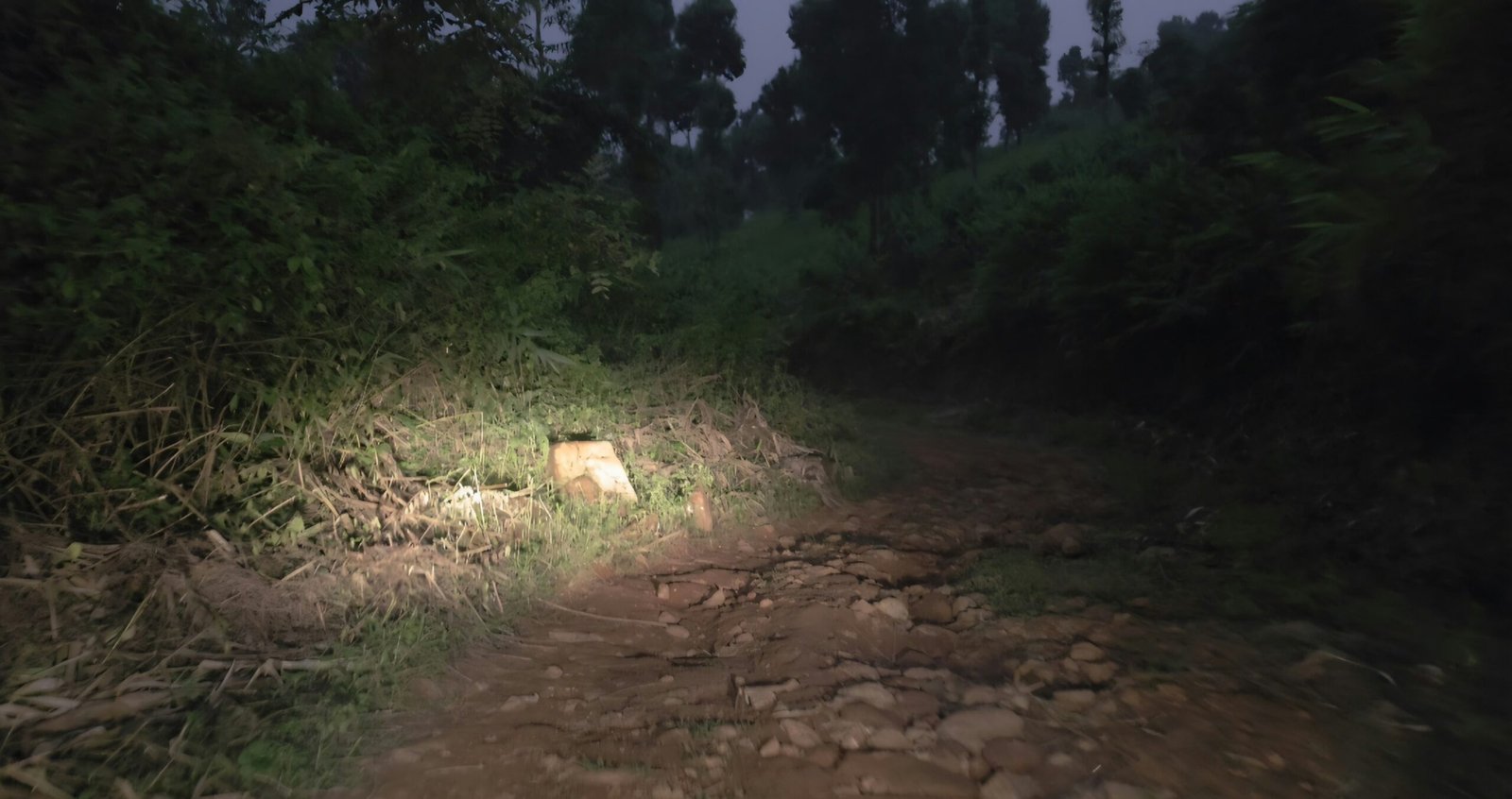
One such village is Umlangkraw, located under Umroi constituency in Ri-Bhoi. The village, which came into existence 30 years ago, remains cut off from basic development, particularly road connectivity.
Lack of road connectivity may be an inconvenience from day to day but recent events in this state have shown that it can have life-and-death consequences.
Invited by the Christian Endeavours Society of the Presbyterian Church to the closing ceremony of a youth festival at Umlangkraw on October 3, this reporter got an opportunity to understand the ground reality and the reasons behind the village’s isolation.
Interaction with residents revealed that almost all families are dependent on farming and survive on daily labour. There is not a single resident employed in government service. The lack of road connectivity has only deepened their hardship.
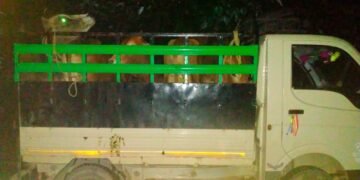
Residents, including Rangbah Shnong D Nongrang, elders and women, said that during medical emergencies patients have to be carried on foot and then transported in Bolero pick-up trucks to hospitals. They hoped that through their voice, the government would take action to help the village.
Nongrang said the village was formed 30 years ago and expressed hopelessness over the lack of development, especially roads.
“Every Assembly election, candidates come to our village. But whenever we appeal to our leaders to look after our needs, no MLA could bring anything beneficial to our area,” he said.
The Rangbah Shnong said the village still lacks various basic infrastructure. According to him, the nearest motorable road from Umlangkraw is at Umroi, which is around 10 kilometres away.
Nongrang said the two nearest community health centres are in Bhoirymbong and Umsning. Despite their proximity on the map, residents face severe difficulties in accessing healthcare due to the absence of a motorable road connecting the village to these centres. The sick have to be carried by people to the nearest motorable point before they can be taken to a health facility.
The similarities with Domkyrkoh in West Khasi Hills are striking. That village is also cut off from the outside world due to the absence of a motorable road. This glaring deficit played its part in the death of an infant recently; instead of taking the sick child by vehicle to the nearest health centre, the family had to walk on foot and, on the way, the child died.
In terms of education, there are two schools that teach up to the secondary level, after which children have to go to Umroi or Umsning for higher studies.
Villagers said that since almost all residents are engaged in agriculture, they find it extremely difficult to transport their produce to market due to lack of road connectivity.
The residents have urged the government to look into their long-pending demand for a road and bring development to the village that has waited for three decades.
Meghalaya appears to be operating at two speeds – while its urban centres and key tourist spots receive lavish attention from the government, there are outposts dotted around the state that are in the slow lane. There is nothing to be romanticised about that – there is genuine hardship here and much to be done to alleviate the struggles of the locals.