













Khliehriat, Nov 20: The Jaiñtia National Council (JNC) has questioned why citizens and students willing to plant trees and restore their environment should be made to pay for work that advances the government’s own environmental objectives.
In a complaint to the Principal Secretary, Forests & Environment Department, the JNC has demanded the government to scrap the charges imposed on the public for nursery saplings.
JNC General Secretary Wanshwa Suting said it had received complaints from residents of Jaiñtia Hills after the Forest Department revised nursery sapling rates through an office order dated May 1, 2026, under which saplings are now charged even to ordinary citizens, community groups and educational institutions.
“The government should encourage people to plant trees, not discourage them through financial barriers. The people willing to restore their land and protect their environment should be supported, not burdened,” Suting said.
The JNC said the NPP-led government is increasingly acting like a “termites’ government”, quietly eroding the rights, opportunities and future of ordinary people, particularly the poorest and most vulnerable, through policies that place additional burdens upon them.
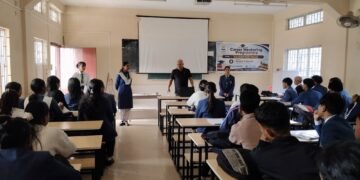
It said educational institutions and students, who take part in plantations for environmental awareness and public benefit, should not be financially discouraged.
The organisation further stated that in a region heavily affected by coal mining, limestone extraction, cement plants and other industrial activities, commercial and industrial project proponents should bear the full non-subsidised costs of saplings for business requirements, in addition to fulfilling their statutory environmental obligations.
“The government must not place the burden of environmental restoration upon ordinary citizens while failing to distinguish public participation from commercial environmental responsibility,” it said.
It also questioned why plantation and restoration programmes do not prioritise mining-affected areas such as East Jaiñtia Hills, where restoration of degraded land, protection of water sources, improvement of air quality and rebuilding of green cover are urgently needed.
The JNC warned that such policies risk discouraging people willing to undertake afforestation on their own and community lands. Instead, the government should encourage, facilitate and support citizens, students, institutions and community organisations.
It has demanded reconsideration of the order and called for an environmental policy that places public participation, ecological restoration and community interests above financial barriers.