









Shillong, Sep 21: Meghalaya has been ranked the top performing state under PMKSY-WDC 2.0 with a score of 73.47 per cent for 2026-27, Soil & Water Conservation Minister Marcuise N. Marak said.
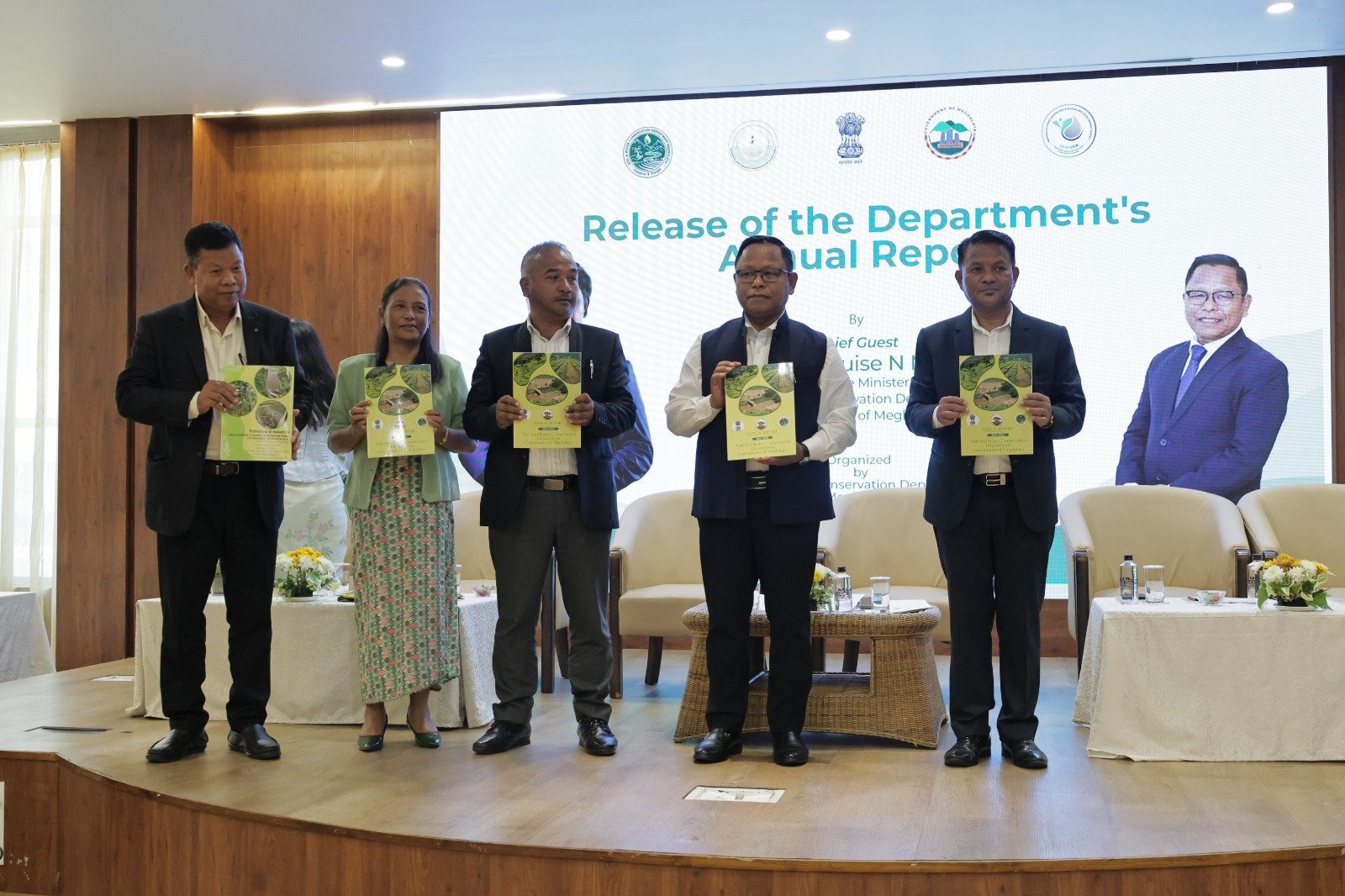
He was speaking at the inaugural of the two-day workshop held today on “Experience Sharing, Learning and the Way Forward” at the State Convention Centre, organised by the Soil & Water Conservation Department and Meghalaya State Watershed & Wasteland Development Agency (MSWWDA).
Marak said the guiding philosophy of economy and ecology under WDC 2.0 is particularly relevant for Meghalaya where water is linked to environment, agriculture, livelihoods and community wellbeing.
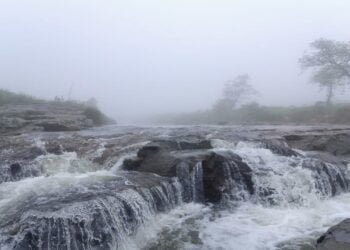
He said the state has identified over 70,000 spring-sheds, mapped over 65,000 springs and prioritised 792 critical water sources for rejuvenation using technology.
“Watershed development is not just about completing projects or creating assets but ensuring water conservation translates into better livelihoods, agricultural productivity, opportunities for landless families and strengthening SHGs and FPOs,” he said.
The event saw the launch of the department’s revamped website and Project Management Information System (PMIS) under Climate Adaptive Community Based Water Harvesting Project. PMIS centralises project info, connects state and district units for planning and monitoring, and covers 533 water harvesting structures across 12 BMP loops.
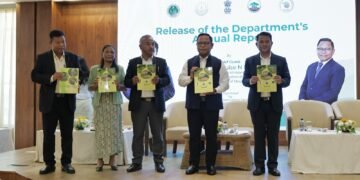
The annual report and compilation of success stories were released. Winners of Watershed Janbhagidari Cup 2026 Phase-II and Social Media Competition were felicitated.
Director and Deputy CEO, MSWWDA, L. Shabong said Meghalaya has 2,776 micro-watersheds. PMKSY-WDC 2, launched in 2021-22, covered 32 projects across 62,000 hectares and 96 micro-watersheds with Rs 175 crore investment.
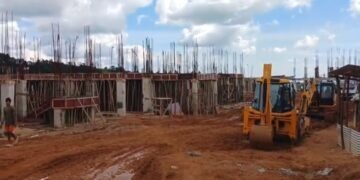
Over 20,000 hectares of degraded rain-fed land brought under soil and moisture conservation and over 2,400 water harvesting structures created, improving water availability, soil fertility and irrigation access. Sustainability depends on community ownership, he said.
Sessions featured presentations by the SLNA team, NESAC and NEDFi on technical planning and spatial applications, and discussions on learnings from WDC 1.0 and 2.0 to prepare for WDC 3.0, focusing on water security planning, climate resilience and evidence-based feedback.
The workshop continues on September 22 with regional experiences from Khasi-Jaintia and Garo regions and presentations by ICAR, NEHU Tura and SIRD.