







Shillong, Apr 24: The judicial inquiry commission headed by retired Justice RS Chauhan, to probe the Thangsko illegal coal mine disaster, today convened a meeting at the State Guest House here.
Organisations from the Jaintia Hills region such as the Jaintia National Council (JNC), Jaintia Coal Miners and Dealers Association and Jaintia Coal and Supplier Association attended.
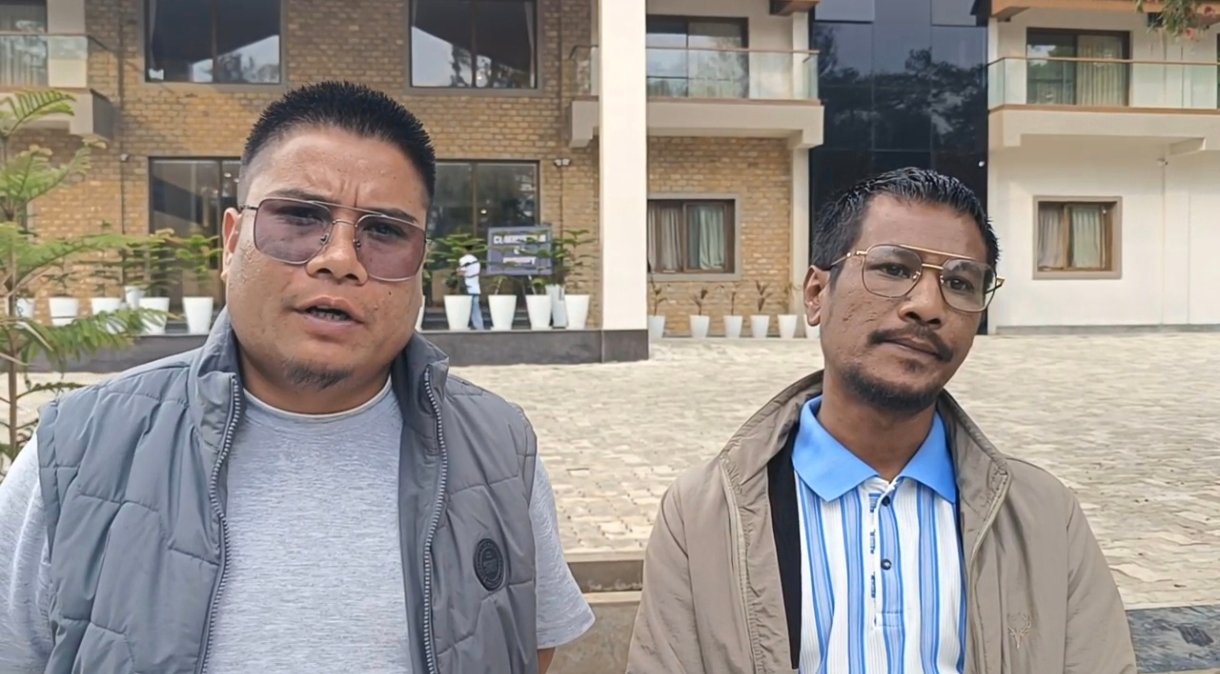
JNC represented by its president Sambormi Lyngdoh raised concerns regarding the Mines and Minerals (Development and Regulation) Act, stating that its provisions do not suit the unique land structure and coal seams of the Jaintia Hills.
“Currently, the most challenging aspect for us is the inability to accept the provisions of the MMDR Act, as it does not align with our land structure and coal seams,” he said.
The council believes that the strict regulations hinder even small-scale coal mining operations and pose a threat to environmental integrity. The JNC proposed that an exemption from the MMDR Act is vital for the continuation of coal mining in Jaintia Hills.
Lyngdoh also highlighted the urgent need for alternative employment opportunities in the region, especially given that most current industrial setups are foreign-owned.
To foster local employment, they suggest the government to implement private planning policies and develop skill institutes geared toward existing industries and the need to enhance agricultural development.
“We require factories such as for Oranges (Soh Niamtra), which is manufactured in significant volumes in Jaintia Hills, to produce orange juice. This is essential for the operation of our product, and we have made this announcement to facilitate the commission’s efforts in presenting it to the government,” Lyngdoh added.
The JNC president said that the commission has provided them with 7 or 8 points written statement about the shared perspectives and that their suggestions will be formalised.
The three-member commission was instituted by the state government after the Thangsko illegal coal mine tragedy that killed over 30 people. It is also tasked to look into broader illegal mining concerns in the state, including why illegal coal mining persists, feasibility of a financial package for miners and possibilities of an exemption for traditional mining practices.