







Shillong, Nov 14: The way Shillong observes Independence Day has undergone a striking transformation, with the city moving away from the bandh culture that once marked national occasions in the 1990s and early 2000s.
For years, Independence Day and Republic Day in Shillong were synonymous with shutdowns, as shops remained closed and vehicular movement on the roads was reduced to a minimum.
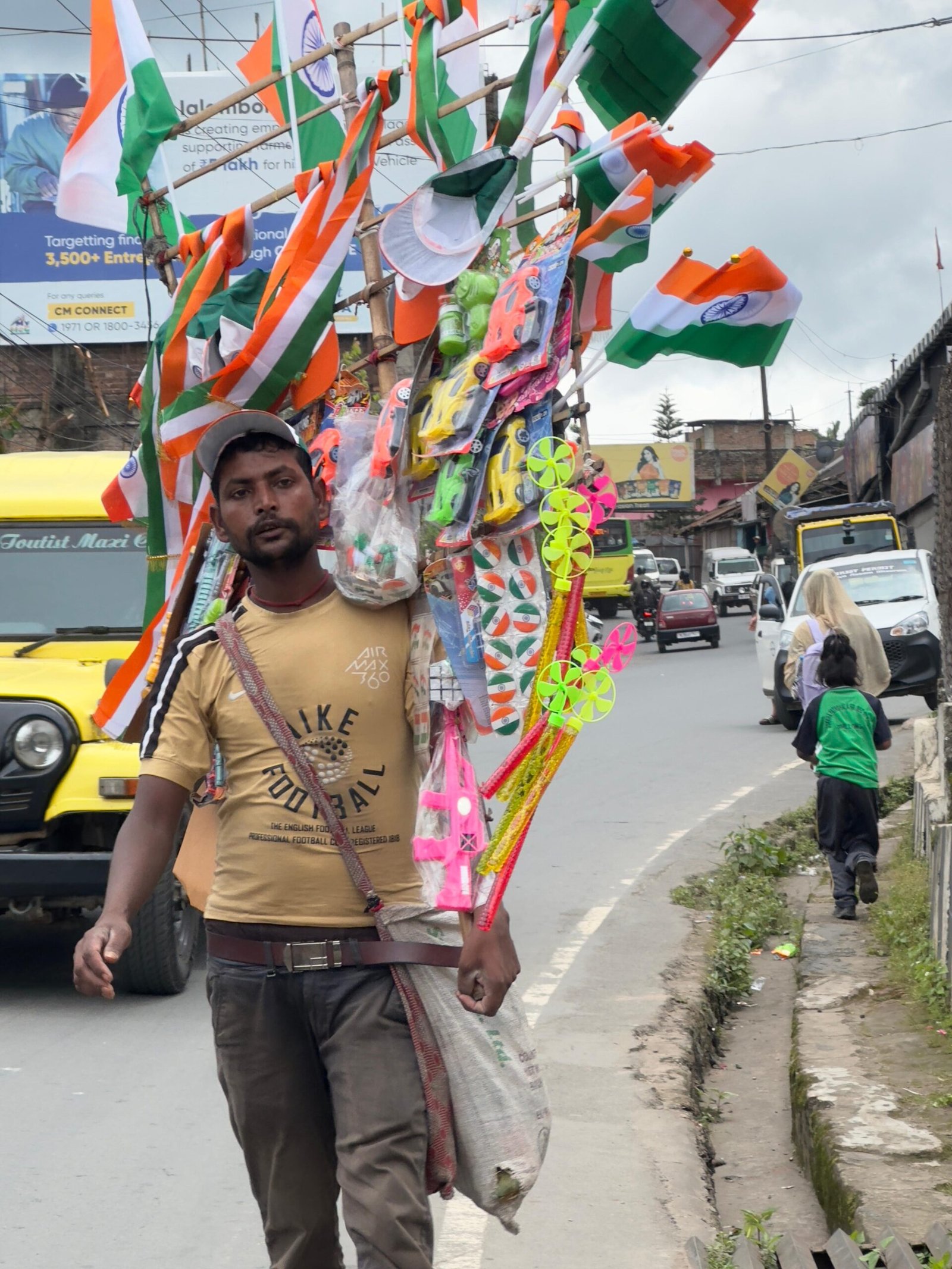
That picture has changed significantly. Today, Independence Day and Republic Day see families stepping out to participate in or witness celebrations across the city, with popular public spaces such as Ward’s Lake and Phan Nonglait Park (formerly Lady Hydari Park) drawing large crowds.
The change is also visible at the community level, with schools organising Independence Day programmes, neighbourhoods hoisting the national flag and various groups holding rallies and other activities to mark the occasion.
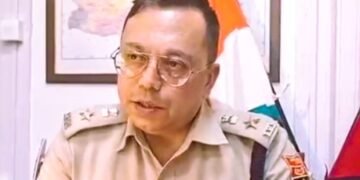
Reflecting on the transformation, retired police officer Mariahom Kharkrang said there was an entire generation that grew up without witnessing such celebrations, as national days were earlier associated largely with bandhs.
Kharkrang, who is now the headman of Riatsamthiah where the national flag will be hoisted on Saturday, said the shift was a positive development and expressed happiness that national occasions are now being celebrated more openly. He stressed that such celebrations could help inculcate a sense of positivity and patriotism among the younger generation.
In recent years, the Har Ghar Tiranga campaign has further added to the visibility of the national flag, with flags being displayed at homes, shops and other establishments across Shillong.
Meanwhile, Kharkrang, who is also a Bharatiya Janata Party (BJP) politician, highlighted a recent initiative by the BJP Mawlai Mandal ahead of Independence Day, which focused on the theme of love and service to the community.
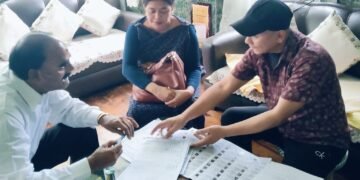
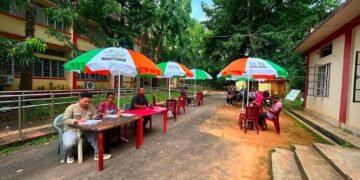
Members of the BJP Mawlai Mandal visited the Pasteur Institute and donated blood as part of their effort to serve the community. The team also interacted with villagers who were in need of blood replacement for their hospitalised family members but were unaware of the procedures required to arrange blood.