







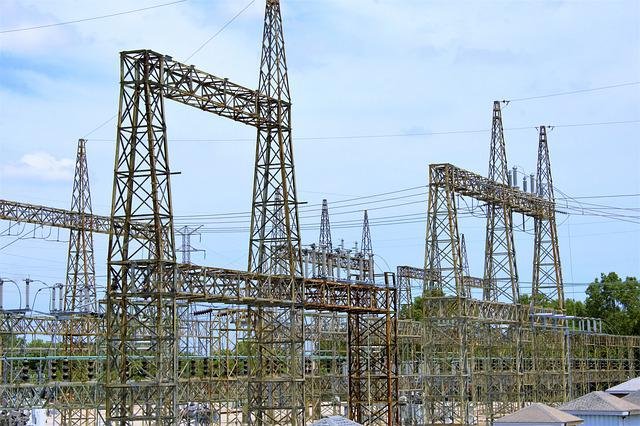
Shillong, Aug 3: Although they have been promoted as a solution to India’s increasing waste disposal problem, existing waste-to-energy (W2E) power plants are emitting toxic pollutants that endanger public health.
Although Meghalaya so far does not have any, this has not stopped the state government and others from looking at them positively.
There are currently 20 such W2E plants in the country and they collectively handle nearly 20,000 tonnes of India’s daily waste generation, roughly one-eighth of the total. Incinerating waste like this is not unique to India. Indeed, since the introduction of a landfill ban in Switzerland in 2000, all non-recycled combustible waste there must be incinerated.
According to a report on the Article 14 website, municipal solid waste (MSW) in urban India is poorly segregated, has high moisture content and low calorific value, making for lower electricity generation per tonne of MSW.
The report cites several cases where W2E plants have led to worsening of air quality in their immediate neighbourhoods and a corresponding increase in respiratory illnesses and even cancer rates.
While governments are otherwise trying to promote recycling, W2E plants also perversely disincentivise recycling and segregation.
Meghalaya, so far, does not have its own W2E plant. However, in 2016 then Chief Minister Dr Mukul Sangma said he was exploring the option of starting one in collaboration with Assam. According to him, Meghalaya did not produce enough MSW to make a W2E plant viable and so needed Assam, with its greater population, to get such a plant running. Nothing seems to have come from this suggestion.
The idea did not die, however, as in 2023 Power Minister Abu Taher Mondal told reporters that the current CM, Conrad K Sangma, was discussing the matter with the National Thermal Power Corporation (NTPC) as it has experience of W2E plants. Generating electricity from waste would help Meghalaya close its power generation deficit, he said at the time.
A report in the local media presented W2E plants as a panacea, saying that they “can neatly solve the issue of excessive reliance on landfills while at the same time helping address residents’ energy and heating needs.” No mention was made of harmful pollutants.
Earlier this year, IIM Shillong hosted a roundtable discussion on waste management challenges and opportunities where, again, W2E was posited as a step towards “economic and environmental sustainability” with not a mention of the risks of increased air pollution and the dangers that come with it.
In 2022, the state government facilitated the start of a pilot project where waste collected in Tura would, after sorting, be used to create fuel briquettes. Although widely reported in the media as a W2E plant, this was inaccurate as the plant is only producing fuel from the waste, which can then be used to power cement factories, coal fired power plants, etc.