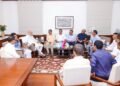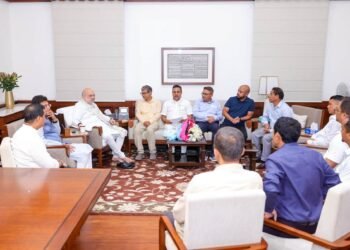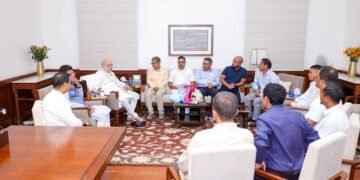


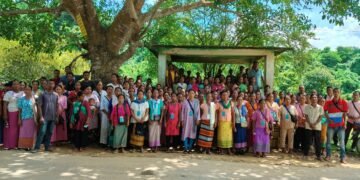
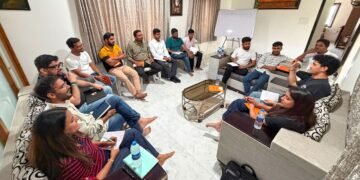


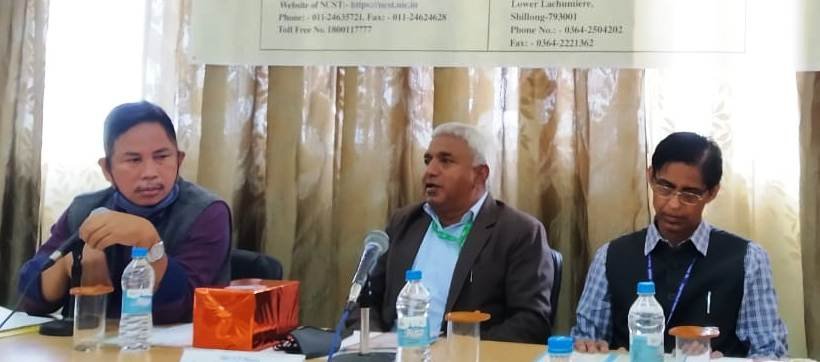
The National Commission for Scheduled Tribes (NCST), Delhi held an awareness and interactive meeting on the ‘Role and Function of NCST’ a Constitutional body.
Two senior staff members, Assistant Director, SP Meena, in charge of the Shillong office, and Assistant section officer, BL Bairwa told the participants that the NCST is an institution created under Article 338A of Constitution of India to investigate and monitors all matters relating to Safeguards provided to the Scheduled Tribes. They said that the office will take up any complaints of atrocities against members of tribes by others.
But some participants said that the regional office of NCST for the whole of the north east region here in Shillong has been neglected by the Central Government for very long time. Earlier it was manned by a senior director and a deputy director but after the last incumbent retired there is no one posted here with only a peon and chowkidar left to look after the affairs of the office.
The officials were also asked to help the ST youth get their just share of jobs in the central, state, and regional government establishment by implementing the ST job roosters and quotas under the constitutional provisions which have been further justified by Supreme Court rulings.
It was also submitted that the scholarships and other benefits be brought at par with the share for scheduled caste students. At the moment the share of ST students is less than half of what is authorised for SC students.
Additional Director, L M Momin chaired the session. He said all these and other submissions would be carefully noted down and handed over to the NCST officials.
The two officials then visited Smit village where they held another session.
The participants said they were happy that the NCST had come here to listen to the all the way from Delhi. However, they said that most of what was said went over their heads as the two NCST officials addressed them in Hindi, a language they did not use much. As it is English itself is difficult to understand for people in the rural areas, they said, wishing the government would be more sensitive to their needs.