






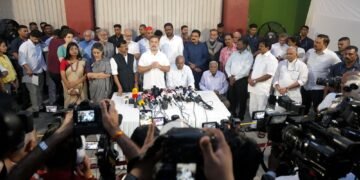



The resignation of Union Education Minister Dharmendra Pradhan on Friday marked an unexpected climax to a nationwide student movement that began with a single derisive comment by Chief Justice Surya Kant. What was intended as an insult has instead reshaped the conversation around student rights, digital activism, and grassroots politics in India.
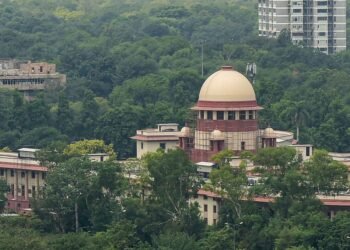
The controversy erupted after Justice Surya Kant used the word “cockroach” in court while addressing a matter involving unverified and fake legal degrees. The remark, initially dismissed by many as an offhand judicial comment, quickly went viral. Rather than retreat, students across the country reclaimed the slur and turned it into a badge of identity.
Within hours, social media was flooded with cockroach emojis, memes, satirical artwork, and protest posters. The phrase “Cockroach Janata Party” or CJP began trending, not as a registered political outfit, but as a digital collective representing student anger and resilience. The rebranding was deliberate. By owning the insult, students flipped the narrative — from being dismissed to being impossible to ignore.
“Cockroach” came to symbolise persistence. “You can step on us, but we survive and multiply,” read one viral post that was shared more than 2 lakh times. Digital creators, illustrators, and meme pages amplified the message, turning a moment of humiliation into a nationwide campaign for education reform and dignity in public discourse.
As online traction grew, the movement moved offline. The most visible turning point came at Jantar Mantar in New Delhi, where thousands of students, teachers, and civil society members gathered. What began as hashtag activism transformed into coordinated public demonstrations across the country. The protests gained further momentum when climate activist and education reformer Sonam Wangchuk joined the gatherings. His presence drew wider attention from academics, artists, and educators who had until then watched from the sidelines. Despite heavy police presence and several instances of clashes and detentions, the protesters maintained that their demand was non-political.
The sustained pressure appeared to culminate this week with Dharmendra Pradhan’s resignation, a direct consequence of the public outcry. His resignation has left many questions. What happens to CJP now that its central demand appears to have been met? For many participants, the Cockroach Janata Party was never meant to contest elections. It emerged as a symbol — proof that digital platforms can convert a single remark into national mobilisation in days.
Experts note that the episode underscores how quickly authority can be challenged in the digital age. A comment made in court became memes, memes became marches, and marches created political consequences. Whether CJP formalises into an organisation or fades as the movement’s mascot, its impact is already clear. It demonstrated the power of reclamation, the speed of digital solidarity, and the unpredictability of grassroots movements. For now, the message from Jantar Mantar to Parliament remains the same one that started it all: there must be no compromise on the education and dignity of students in India.