











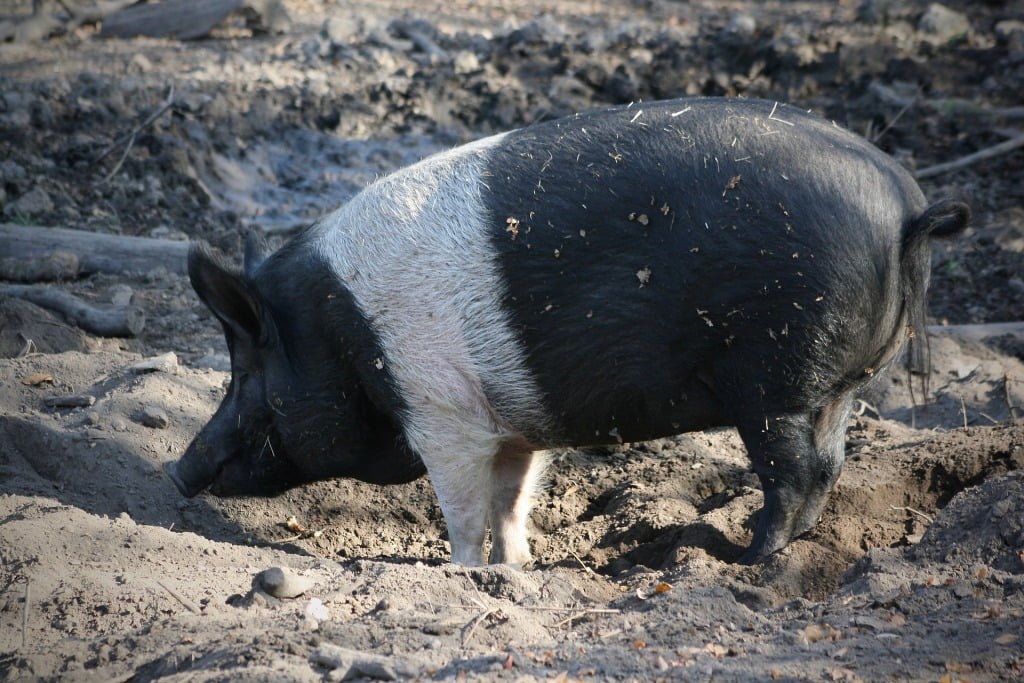
Shillong, Jun 2: Several villages across the state are witnessing another outbreak of African Swine Fever (ASF), a highly contagious viral disease affecting domestic and wild pigs.
According to the Department of Animal Husbandry and Veterinary, confirmed cases of ASF have been detected in villages under Pynursla Block, East Khasi Hills District, namely Urksew Wahpathaw and Mawkajem; Mawlai Block, including Mawlai Mawkynroh and Mawlai Umrynjah; Mawthadraishan Block, including the Base Pig Breeding Farm, Nongkasen and Wahliewlong in West Khasi Hills District; Umsning Block in Ri-Bhoi District, including the Regional Pig Breeding Farm (RPBF), Kyrdemkulai (Multiplier/Nucleus/State Plan/RKVY), Lum Umpih, Nongthymmai Umsning, Umsning Proper B, Lum Nongrim, Rongpharkong, Umiarong, Umshorshor and Umsaitsniang Nongpdeng; Bhoirymbong Block, including Mawkyrdep, Nongthymmai Kyrdem, Syllei-U-Lar, Umroi Madan and Labansaro; and Mawphanniew village under Mairang Block in Eastern West Khasi Hills District.
The department has issued a notification to mitigate the risks associated with ASF. Movement of live pigs, pig feed, and pork products is prohibited in infected zones. Additionally, any individual interacting with pigs must maintain strict hygiene standards. Measures include thorough cleaning and disinfection of vehicles leaving infected areas and prohibiting the disposal of infected animal carcasses in water bodies.
Farm owners are urged to restrict access to pig farms and ensure that no infected animals or materials leave the premises. Violators are liable for prosecution. First-time offenders may face a fine of ₹2,000 or imprisonment for one month in case of non-payment, while repeat offenders may face fines up to ₹5,000 or imprisonment extending up to three months, or both.
Under the containment plan, all villages within a one-kilometre radius of infected premises have been declared “Infected Zones”, while areas within a 10-km radius have been designated as “Surveillance Zones”.
In surveillance zones, transport of pigs into infected areas has been prohibited, while movement of pork products from surveillance zones to disease-free areas has also been restricted. Veterinary teams will continue surveillance and sample collection to track the spread of the disease.
The Department has also directed the Divisional Forest Officer, Wildlife Division, to take necessary measures to monitor and manage wild boar populations in forest areas surrounding infected and surveillance zones.
The Department has appealed to all pig farmers, traders, transporters, local institutions and members of the public to strictly comply with the prescribed restrictions and biosecurity measures. Village Dorbars, Dolloi, Headmen, Nokmas, Municipalities and other local bodies have been requested to extend full cooperation to Veterinary Officers and Rapid Response Teams in implementing containment and disease-control measures.