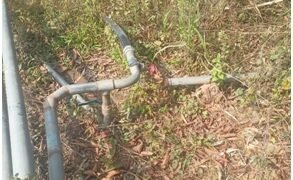












In another case of electrocution, a 16-year-old male elephant died at Karwani village in Baghmara Reserve Forest, South Garo Hills.
Speaking to Highland Post, Chief Conservator of Forests (Wildlife) PR Marak confirmed that the case was due to electrocution.
Informing that the centre has notified what type of insulated wiring should be used by the utilities to protect wildlife, Marak said, “Implementing this in the case of our state, where most areas are surrounded by forests, would be a herculean task because all the electrical posts and wires would have to be replaced.”
Forests in Meghalaya, especially in Garo Hills, are different from those in the rest of the country where they are largely limited to regional parks and sanctuaries. Here, they are much more widespread and close to human habitation.
Most electric wires are not insulated but, though the cost of replacing them would be high, the process should be done gradually, he stated.
“These things are being discussed from time to time with the government and we have discussed and taken up this issue in the wildlife board meetings as well, since there have been many cases of electrocution over the years,” Marak added.
An average of 50 elephants are killed in India by electrocution annually, according to official data. These pachyderms meet their end as they stumble upon ill-maintained power lines and electrical infrastructure passing through their forest abodes.
To prevent the death of elephants and other wildlife from electrocution, the expert wildlife panel of the Union Environment Ministry has called for developing a nationwide strategy for the long-term planning of electricity grid networks.
The panel recommended measures like burying transmission lines underground, setting up reinforced electric poles fitted with spikes to prevent elephants from rubbing against them, lifting sagging overhead power lines, and dismantling defunct solar-powered fences to protect the animals from coming in contact with these potential sources of electrocution.
The decision was taken in a July 2019 meeting of the standing committee of the National Board for Wildlife (NBWL).