










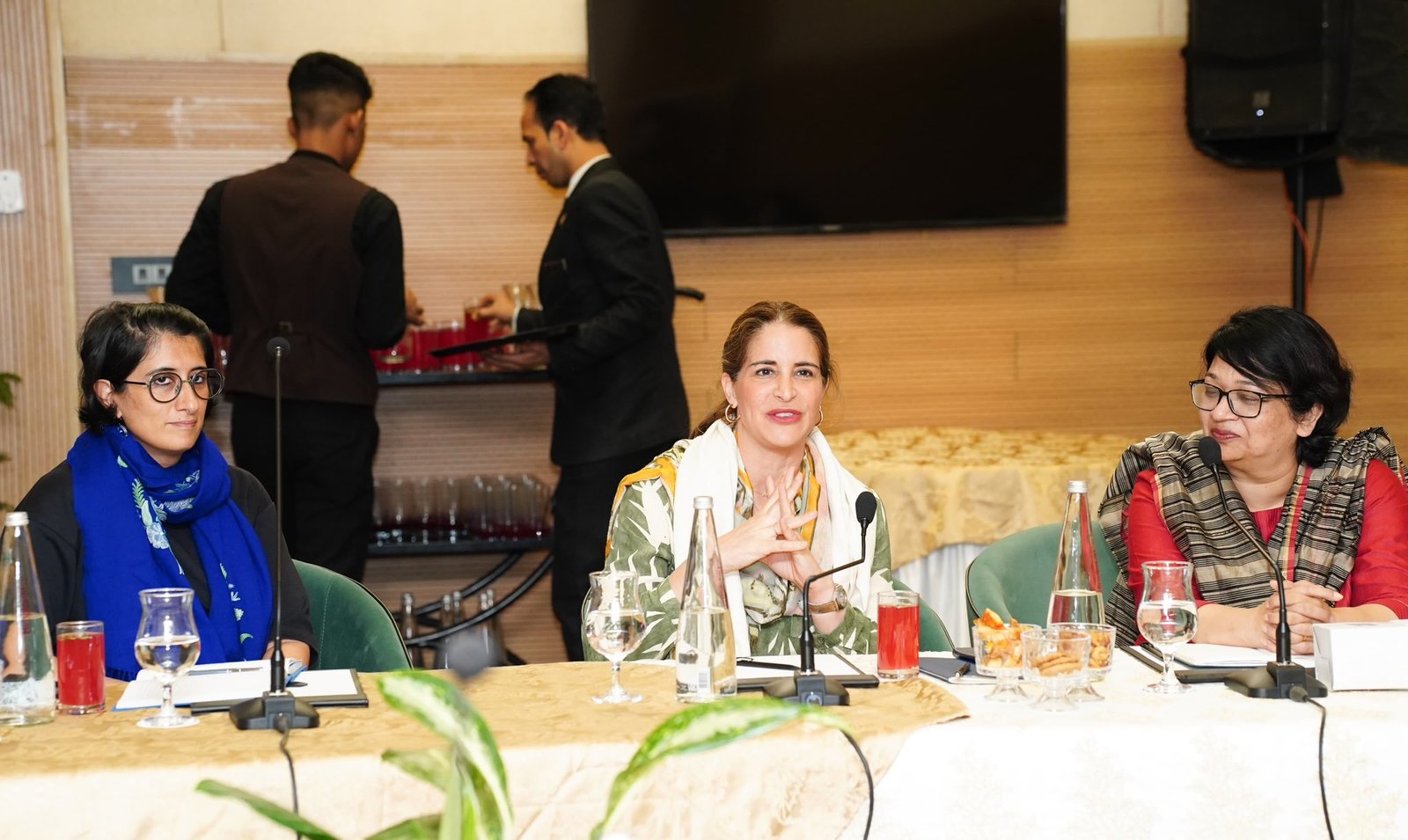
Shillong, May 14: A high-level delegation from UNICEF today called on Chief Minister Conrad K. Sangma at the State Guest House, Taraghar, in Shillong to review the ongoing collaborations between UNICEF and the state in crucial areas such as child health, nutrition, maternal care, and community-led interventions.
The UNICEF team commended the grassroots initiatives led by the state government, aimed at enhancing immunization coverage and reducing maternal mortality rates. They underscored the importance of community-driven approaches, which they believe are pivotal in strengthening nutrition outcomes and improving adolescent development.
A senior UNICEF official hailed Meghalaya as a leader in child-focused human development. The official observed that Meghalaya’s community-based governance model, combined with government leadership and institutional partnerships, is creating measurable impact at the grassroots.
During the interaction, the delegation highlighted Meghalaya’s progressive approach towards maternal and child health with the introduction of its ‘003 agenda’. This initiative aims for zero maternal deaths, zero unimmunized children, and ensuring healthy growth for every child during their critical first 1,000 days of life.
The state’s ongoing efforts under Mission 1000 Days were also discussed. The programme, launched on March 31 this year, seeks to tackle child stunting, improve maternal and child health outcomes, and strengthen interventions during the critical first 1,000 days of life.
The chief minister said the state’s developmental strategy integrates multiple departments and stakeholders to address the needs of citizens effectively. He emphasized the importance of documentation, evidence-based policymaking, and digital monitoring systems in ensuring measurable outcomes, adding that Meghalaya is building a development model that can potentially serve as a reference for other states facing similar challenges.
The meeting concluded with both parties reaffirming their commitment to work together to enhance maternal and child health systems, alongside continued investment in youth engagement and empowerment initiatives.