











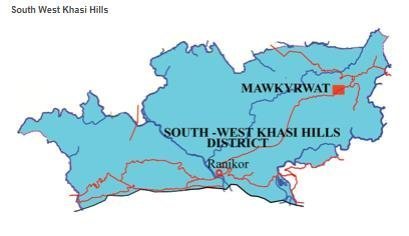
Mawkyrwat, Dec 15: Several groups in South West Khasi Hills district have objected to the proposed transfer of the Superintendent of Police and other heads of departments, stating the officers have served the district only for a short duration.
In a letter to the Chief Secretary, leaders of seven groups consisting of the Khasi Students Union, Synjuk Ki Samla Shnong, Hynñiewtrep Achik National Movement, Hynñiewtrep Youths’ Council, Hynñiewtrep National Youth Front, Hynñiewtrep Integrated Territorial Organisation and the Federation of Khasi Jaiñtia and Garo People stated that their transfer is in violation of the minimum assured tenure policy prescribed by the State government.
The groups said it would also defeat the tenure norms such as administrative stability, continuity in governance, accountability in public administration, and effective delivery of public services.
Referring to a Supreme Court ruling that transfer cannot be exercised arbitrarily, the groups stated that the government has no compelling administrative reasons to show to the public on why the transfer of the officers have been ordered.
Stating that the transfer of the Superintendent of Police is premature, the group said that the officer has not even completed a year in the district. Similarly, they said transfer of other heads of departments in education, health, social welfare, agriculture, PHE, PWD and other allied departments would have a cascading adverse impact on governance.
“These officers are responsible for implementing centrally sponsored and state schemes, monitoring flagship programmes, and ensuring accountability at the grassroot level. Disruption caused by short-tenure posting directly prejudices public interest and defeats the objectives of planned and sustained district administration,” the group added.
Further, the group placed a demand for a Khasi officer in place of the SP, should he be transferred. A Khasi police officer would enhance communication with the public, strengthen cooperation with the dorbar shnongs and traditional institutions and promote effective and sensitive policing rooted in local understanding, the group said.