






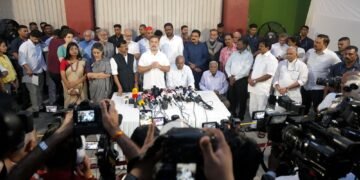



Shillong, Aug 9: Former civil servant Toki Blah has strongly criticised the conduct of the public hearing for Shree Cement’s proposed limestone mining and cement plant project at Lum Syrman in East Jaintia Hills, calling it a “non-democratic process” that failed to give space to dissenting voices.
Speaking to HP on the issue, Blah, a former IAS officer, said the very purpose of a public hearing under the Environmental Impact Assessment rules is for the Meghalaya State Pollution Control Board (MSPCB) and the government to listen to both sides – those in favour and those against the project.
Blah said that when the government uses force to hinder those opposed to the cement plant and chooses to listen only to supporters, “then it is unacceptable.”
“If they say they fear anarchy and chaos, and if the government has that kind of intelligence, then they should have halted the public hearing and scheduled it for another day when they are more prepared,” he said.
“If you listen to only one side and chase the other side away, then I totally disagree with such a non-democratic process. I see that the Deputy Commissioner and the SP have made a blunder since law and order is under them,” Blah added.
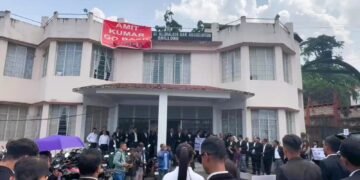
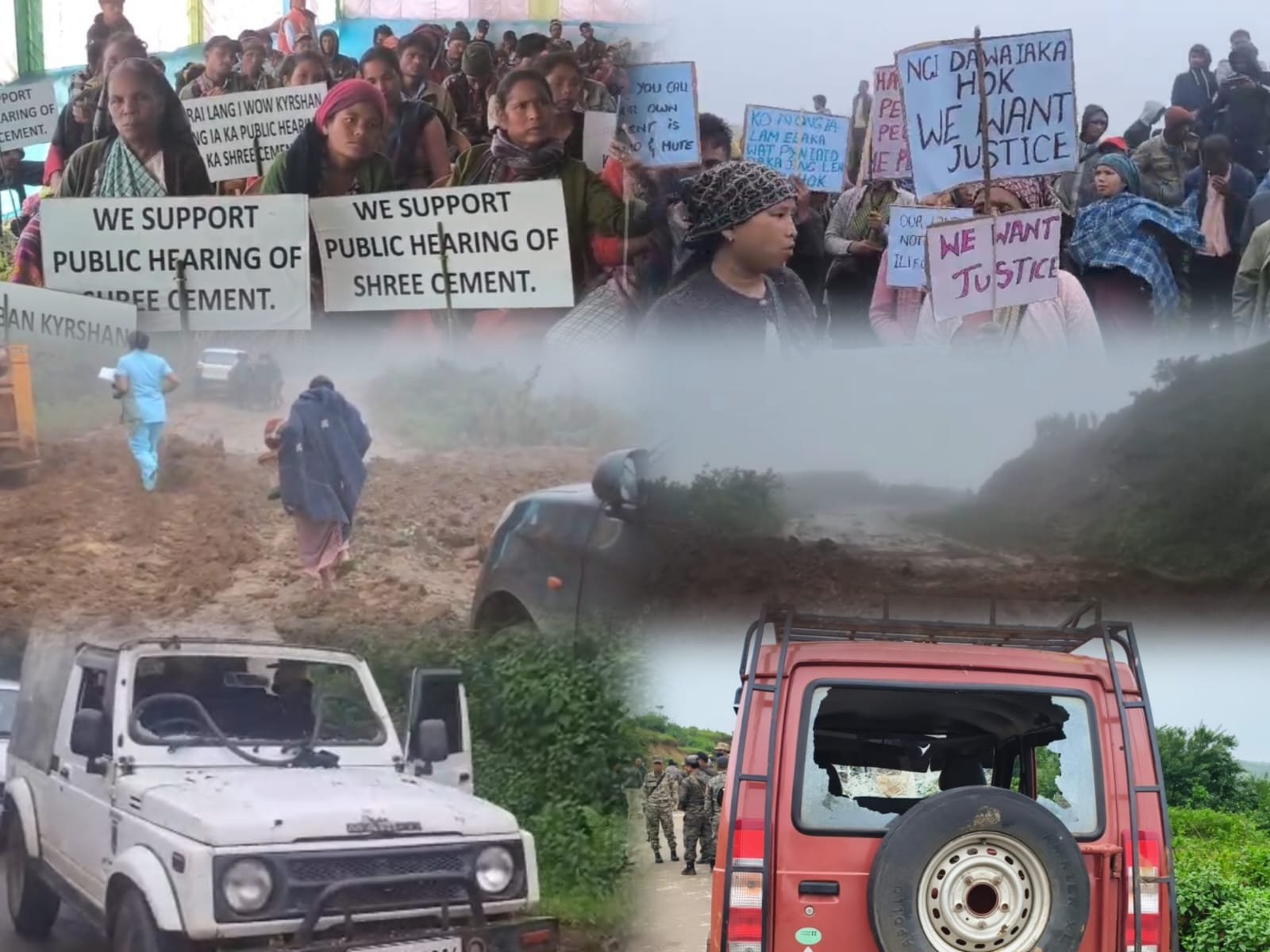
The hearing was held at the end of July in the face of much opposition. Those against the project claimed that many had been prevented by police from attending the hearing, while others were hampered by a road that had been dug up allegedly to stop them from reaching the venue in time. There were also criticisms over the timing of the hearing, which opponents claimed would clash with farmers’ working hours.
Blah said the MSPCB, which has the technical expertise, should go and listen to both sides and conduct its own assessment before submitting a report to the government.
He further stated that it is the duty of the board to look into all aspects and give an “honest report” to the government. According to him, Shree Cement’s proposal is “illegal because it is near sanctuaries, heritage caves, fertile lands and forests.”
On employment claims, Blah questioned the long-term benefits.
“When you talk about employment generation, you are talking about how many years? Because once the company is done and the resources are finished it will go away. And whatever remains will not even be feasible to turn to farmlands etc. If you think only about today and not about tomorrow, it cannot be accepted.”
On environmental impact, Blah said “there is no doubt that cement plants and coal mining adversely affect water bodies.”
He noted that the Forest Department already has set norms for sanctuaries and wildlife reserves – specifying how many kilometres must not be touched to avoid disturbing ecosystems and wildlife, “plus the pollution emitted from the plants.”
Ridiculing assurances of employment from ministers and the company, Blah said if the government is serious, it should give commitments in writing.
“Give in writing that these are the benefits that will be given to the locals and that such plants will not infringe the cave systems, water bodies, farmlands, forest, etc. Don’t just give assurances in the air,” he said.