











Shillong, Nov 17: The forests around the proposed Shillong Peak ropeway have emerged as both a refuge for critically endangered wildlife, according to findings of the Wildlife Institute of India (WII).
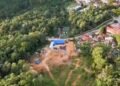
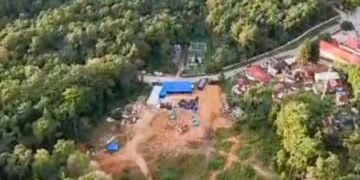
The findings relate to the Riat Laban and Laitkor reserve forests and the Shillong Hill Range near Lum Shyllong, the landscape through which the proposed ropeway from Madan Laban to Shillong Peak is planned.
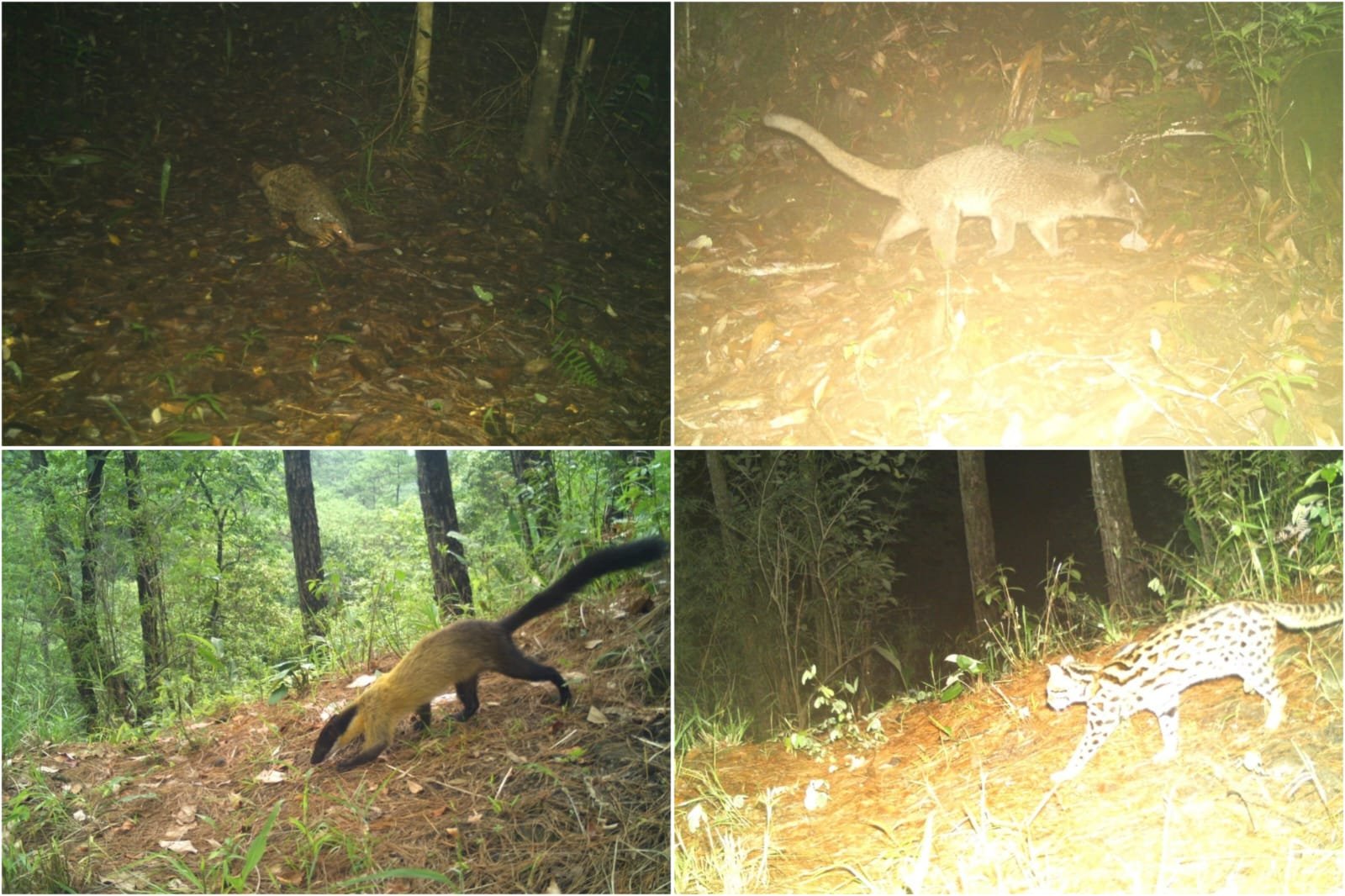
Camera-trap images from Riat Laban and Laitkor reserve forests recorded the critically endangered Chinese pangolin (Kyrbei) on October 6, 2026.
The images form part of the Wildlife Institute of India’s project, “Assessment of Mammalian Assemblages in Meghalaya”, conducted in collaboration with the Meghalaya Forest Department and led by researchers including Dr Salvador Lyngdoh and Dr P. Mahajan.
The finding was announced by the Institute in October 2026 as a milestone update from the ongoing field project. A final peer-reviewed technical report has not yet appeared in the Institute’s digital repository.
The Chinese pangolin is listed as Critically Endangered by the IUCN, under Appendix I of CITES, and protected under Schedule I of the Wildlife (Protection) Act, 1972.
The same camera-trap study also recorded the Large Indian Civet (Bshad Heh), Leopard Cat (Khla Thap Sim), Masked Palm Civet (Bshad), Yellow Throated Marten (Brai), Indian Crested Porcupine (Dyngkhied), Kalij Pheasant (Syiar Khlaw).
The study is not an assessment of the ropeway and does not establish that construction will affect these species. However, the records show that peri-urban forest patches around Shillong continue to function as critical refuges amid habitat fragmentation.
The WII findings underline the ecological and public significance of the project area — as a habitat for protected wildlife and as the natural water tower sustaining Shillong and its surrounding areas.
The Meghalaya government is promoting the ropeway between Madan Laban and Shillong Peak as a tourism and connectivity project. But the Joint Action Committee (JAC), which opposes the present alignment, argues that the area’s ecological importance, particularly its role in sustaining water sources, has not received adequate public scrutiny. The committee maintains that it is not opposed to a ropeway in principle but wants it relocated.