







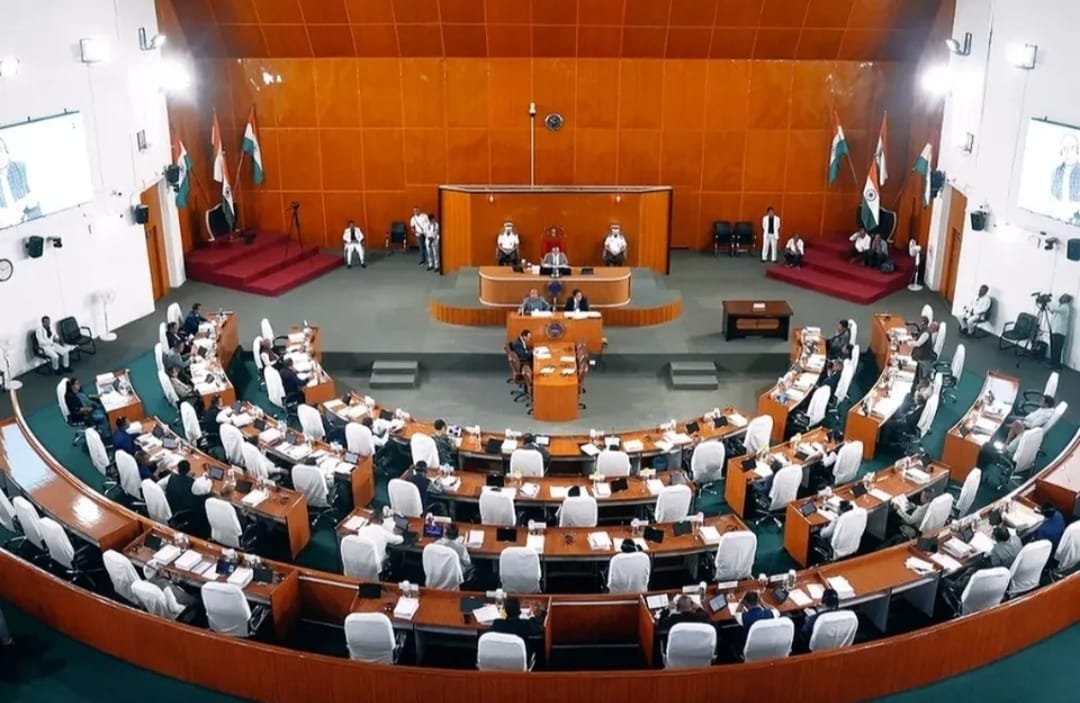
Shillong, Sep 10: The opposition in the Assembly today expressed serious concerns over the ongoing Special Intensive Revision (SIR) 2025, warning that unchecked migration and flaws in the process could distort the state’s electoral rolls.
Raising the issue during a cut motion, VPP chief and Nongkrem MLA Ardent M. Basaiawmoit said large-scale migration from neighbouring states and across the border was threatening the integrity of Meghalaya’s voter list. He criticised the government for not putting proper checks in place, forcing civil groups to step in and stop suspected outsiders on their own.
Basaiawmoit alleged that many outsiders had managed to register themselves as voters by blending into local communities. He cited reports from headmen in his constituency, saying that non-residents had managed to enrol in Nongkrem despite not living there. To prevent such cases, he suggested that local dorbar shnongs be given the authority to certify applicants before their names are added to the rolls.
He also warned that genuine citizens risked being left out of the list. Many villagers, he said, do not have Aadhaar or birth certificates, which could make the process unfair. He stressed that the revision must protect the rights of locals, not complicate their inclusion.
Basaiawmoit further alleged that infiltrators were even able to acquire land in parts of Khasi-Jaintia Hills soon after arrival by producing questionable documents. He urged the government to ensure that only genuine voters are enrolled.
Leader of Opposition Dr. Mukul Sangma also shared similar worries. He said the rules for enrolment were too rigid, especially for senior citizens. He gave the example of a 90-year-old man in Tura who had to make repeated trips to the municipality office for a birth certificate, questioning the logic of demanding such documents at his age.
Sangma pointed out that while the state claimed to have a digital system, the ground reality was different. Many students and villagers were still running from office to office, unable to get necessary certificates. According to him, nearly 80% of elderly villagers lacked birth certificates, making them vulnerable to exclusion. He pressed the government to ease procedures and cut bureaucratic hurdles so that no genuine citizen is left out.
He warned that many “sons and daughters of the soil” could be excluded if the system continued as it is, stressing that democracy would remain strong only if every citizen could participate freely.
Responding to the concerns, Chief Minister Conrad K. Sangma acknowledged the challenges but said the revision exercise was important to detect duplicate IDs, correct errors, and protect the integrity of the rolls. He assured that the process would not inconvenience citizens unnecessarily.
The CM clarified that those already on the rolls before January 2003 would not have to submit fresh documents. He added that the exercise would include proper training for booth-level officers, house-to-house checks, publication of draft rolls, and provisions for claims and objections.