

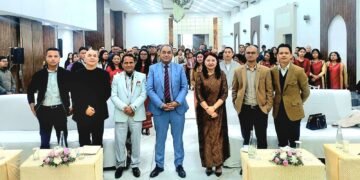
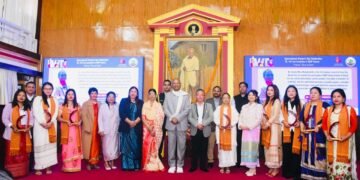






Shillong, Nov 20: Tribal autonomous district councils, constitutional experts, parliamentarians and movement organisations from across the Northeast today gathered in New Delhi to push for the long-pending Sixth Schedule reforms and full implementation of the Bodo Accord.
All the delegates from across the region attended a national seminar organised by the All Bodo Students Union (ABSU) at the Constitution Club of India ahead of a sit-in demonstration at Jantar Mantar on Friday, to put pressure on the centre to table the constitutional amendment during the upcoming winter session of the Parliament.
Former KHADC chief executive member Titosstarwell Chyne, who spoke at the seminar, highlighted the need for collective assertion from the autonomous councils.
He said assurances from the centre had brought hope for the councils initially but with no visible results the councils are “concerned and disappointed”.
Chyne said the KHADC stands with the demands raised during the seminar. “Our support goes to the call for meaningful amendments and stronger councils,” he added.
ABSU President Dipen Boro said the amendments linked to Article 280 and the Sixth Schedule would determine how councils receive funds, exercise powers and plan development. He said while some clauses of the Bodo Accord 2020 have progressed, others like full council restructuring, village bodies, land rights and the use of the Special Development Package remain incomplete.
“Review meetings have been held several times with senior officials. The next step must now come through Parliament,” he asserted.
Boro appealed that the amendment to Article 280 and the Sixth Schedule be introduced in the upcoming session.
Tripura Minister Sukla Charan Noatia said the proposal made by his state in 2019 for an upgraded Sixth Schedule remains pending. “The government of India has a duty to address the issues of the ten autonomous councils in the region. States such as Mizoram and Meghalaya have demonstrated how constitutional arrangements can support progress. We look forward to a practical solution for tribal communities and their councils,” he said.
Senior advocate of the Supreme Court Vijay Hansaria said the Bodo Accord cannot stay as a display document without visible progress. “Trust was placed in this agreement, and that trust needs to see results on the ground,” he said.
Hansaria called for stable funding to councils for them to function responsibly as many of them continue to face neglect in policy spaces, and that delay affects entire region.