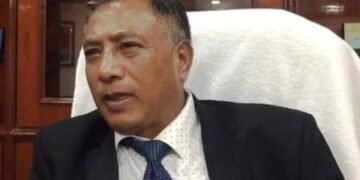

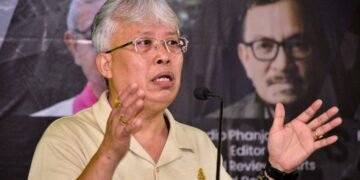


Shillong, Aug 25: Voice of the People Party (VPP) MLA Ardent Miller Basaiawmoit on Tuesday moved special motion during the Autumn Session of the Assembly on the plight of border residents, saying they live at frontline of state’s territorial integrity but are last to get protection and basic services.
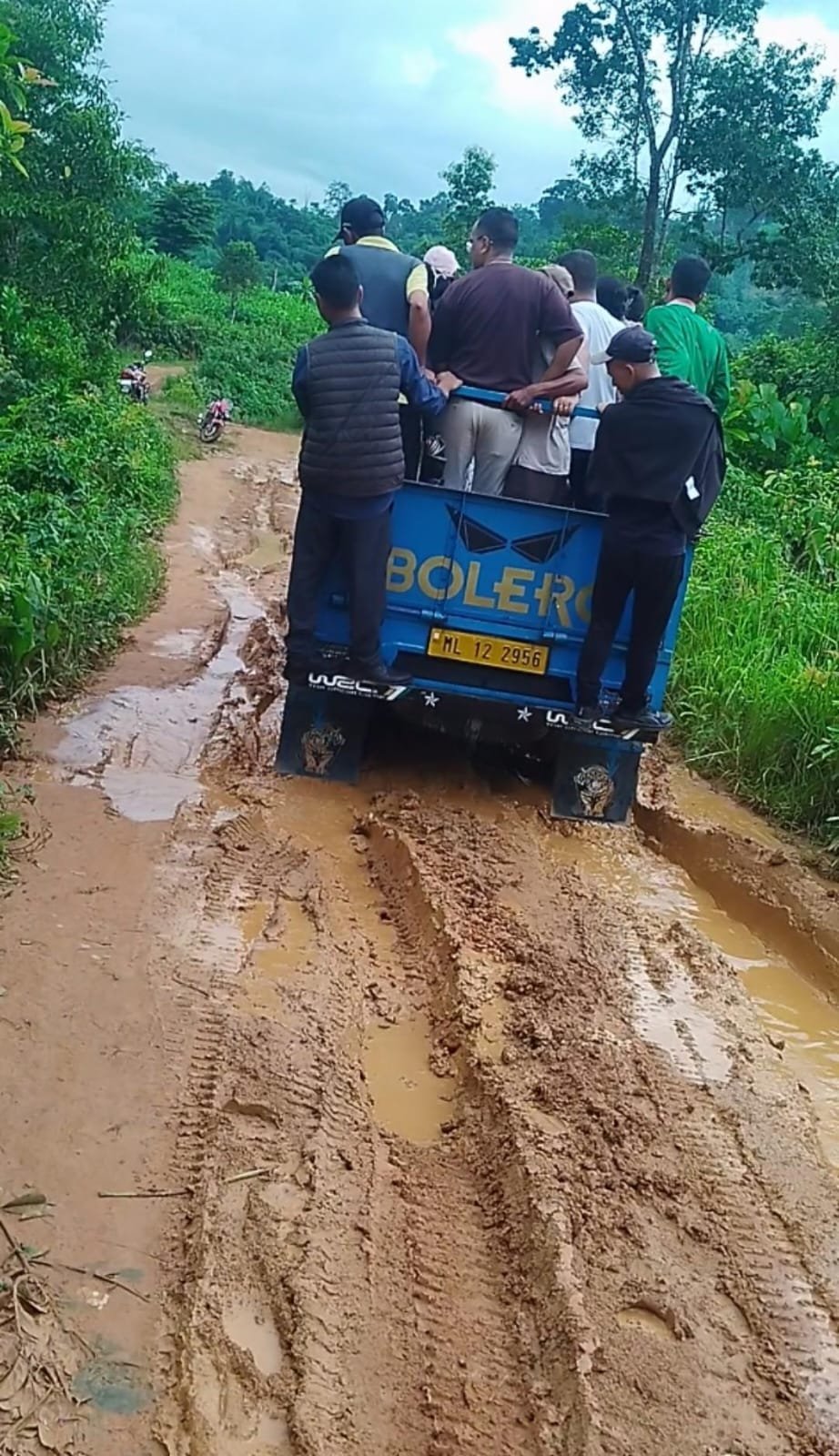
“Can we expect people to remain on the border and protect their connection with the State when the State itself is not sufficiently present in their daily lives?” he asked, flagging lack of roads, healthcare, education, communication, power and water.
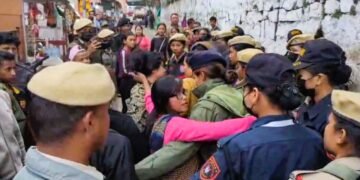
Citing Lapangap, he said the area again became flashpoint in May 2026 when farmers were prevented from cultivating, faced harassment, huts burnt and crops damaged. Hundreds later marched to the Secretariat seeking protection. For farmers, the border issue is not about maps but whether they can enter fields, sow and feed families, he said.
He referred to a June 2026 interim understanding between Assam and Meghalaya allowing cultivation in designated parts. Farmers were restricted to low-lying foothill areas while alleging higher hilltops forcefully occupied by Karbis who destroyed crops and trees planted by Lapangap people. “Lapangap demonstrates the human cost of unresolved border disputes,” he said, adding farmers caught between two administrations and agriculture cannot wait for talks. Interim arrangement cannot substitute permanent solution.
Basaiawmoit also flagged the reported new settlements in Mawsikar and Langpih, saying activity in disputed/vulnerable areas must be immediately addressed to prevent irreversible change in settlement patterns before boundary settled. Government must establish who existing residents and traditional landholders are, when new settlements come up, on whose land, whether occupants have valid documents, and whether joint verification is done, he said.
On Langpih, the VPP MLA said the dispute has existed for decades and that a small habitation can eventually lead to roads, houses, cultivation and administrative facilities. “If the Government knows that an area is disputed and vulnerable, why is it allowing the demographic and physical status quo on the ground to change before the boundary is finally settled?” he asked.
“A boundary dispute cannot be resolved only in conference rooms. It has to be protected on the ground,” he said.
He placed six demands: immediate joint survey of Mawsikar and Langpih to identify new settlements; time-bound verification of ownership and occupation in vulnerable border areas; no permanent construction or new settlement in disputed areas till boundary settled; permanent security for Lapangap farmers during sowing and harvesting; compensation for verified crop and property losses due to border-related obstruction/violence; and special Border Monitoring Mechanism involving district administration, police, traditional institutions and local representatives with regular reports to the government.
“We cannot allow the people of Mawsikar, Langpih and Lapangap to become collateral damage of unresolved boundary disputes. Protect land, protect farmers and protect people who live on the frontier — because protecting them is itself protecting Meghalaya’s territory,” he said.