









Shillong, Jul 13: There was a clear failure to communicate terms and conditions, job requirements and more with the trainee who returned from a job placement in Pune back to Meghalaya, alleging that she was misled into thinking the work would entail being a beautician when it really meant performing massages.
Impulse NGO Network team leader and case manager Bariphylla Lytan explained today that the case fits a pattern that is often seen with trafficking.
“It started with training and they were taken to places without their understanding. So, that is the reason why we felt that, as an organisation, we had to intervene and inform the Women’s Commission and the police so that the youths are not exploited,” Lytan said.
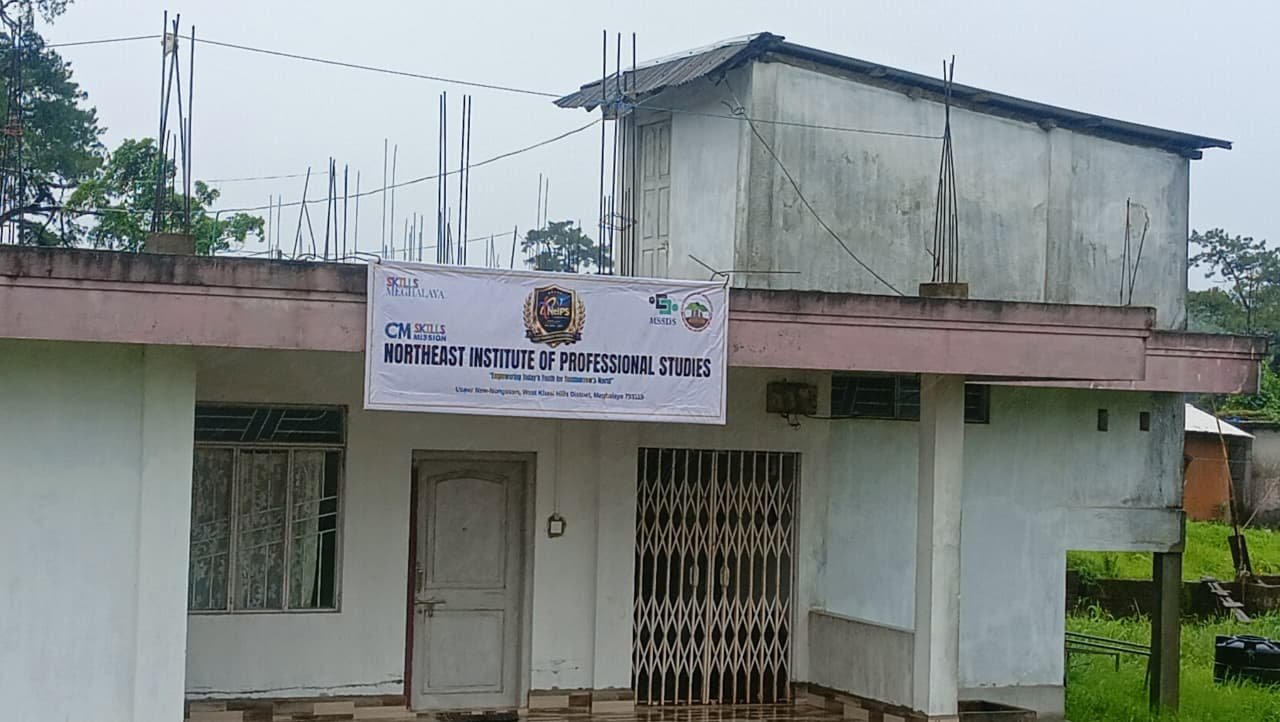
The woman, who asked to remain anonymous, was trained under the state government Skills Meghalaya initiative as a beautician. Upon reaching Pune, however, she found that the job involved providing body massage services instead. The beautician course she completed was a three-month training programme held in Khliehriat. The programme was implemented by the Meghalaya State Skills Development Society (MSSDS) in collaboration with other departments of the state government.
The government, however, leapt to defend itself from the woman’s claims, even casting doubt on her work ethic. The MSSDS said that the vast majority of such trainees expressed satisfaction with the on-the-job training offered and that it carried out verification of the facts of the case using “multiple independent channels”, local police, representatives of a Meghalaya-based NGO, etc but found “no material or testimony” to substantiate the allegations either against the employer of the empanelled training and placement provider.
Lytan stated that youths who signed the contracts to be trained as beauticians-cum-spa therapists were not aware of the fine print as they were either semi-literate or not fully versed in English.
Impulse has written to the Meghalaya State Commission for Women (MSCW) regarding the matter. Lytan said that the training centre in Khliehriat, which had initially trained the women, should have informed them about the exact nature of the job.
Lytan stated as per the statement of the women who came back from Pune, they initially thought they would receive training only for face and hair spa. “They did not know there would be other types of training that would make them uncomfortable,” Lytan added.
When they landed in Pune, they were not given equipment for face and hair spa but instructed to perform body massage on men.
“They felt uncomfortable and, therefore, when a contract is written, especially for youths from villages, they should be thoroughly informed about the nature of the job,” Lytan said.
She also informed that the NGO’s partner in Pune is figuring out whether that particular training centre is registered or not. According to Lytan, the women told her that they were housed in a guarded building in Pune with little access to the outside world. Twenty-two women were “crammed” in an upper storey of the building and they were provided training in the same place.