

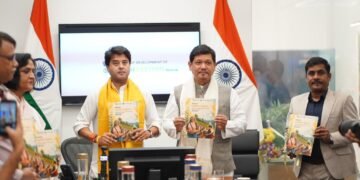






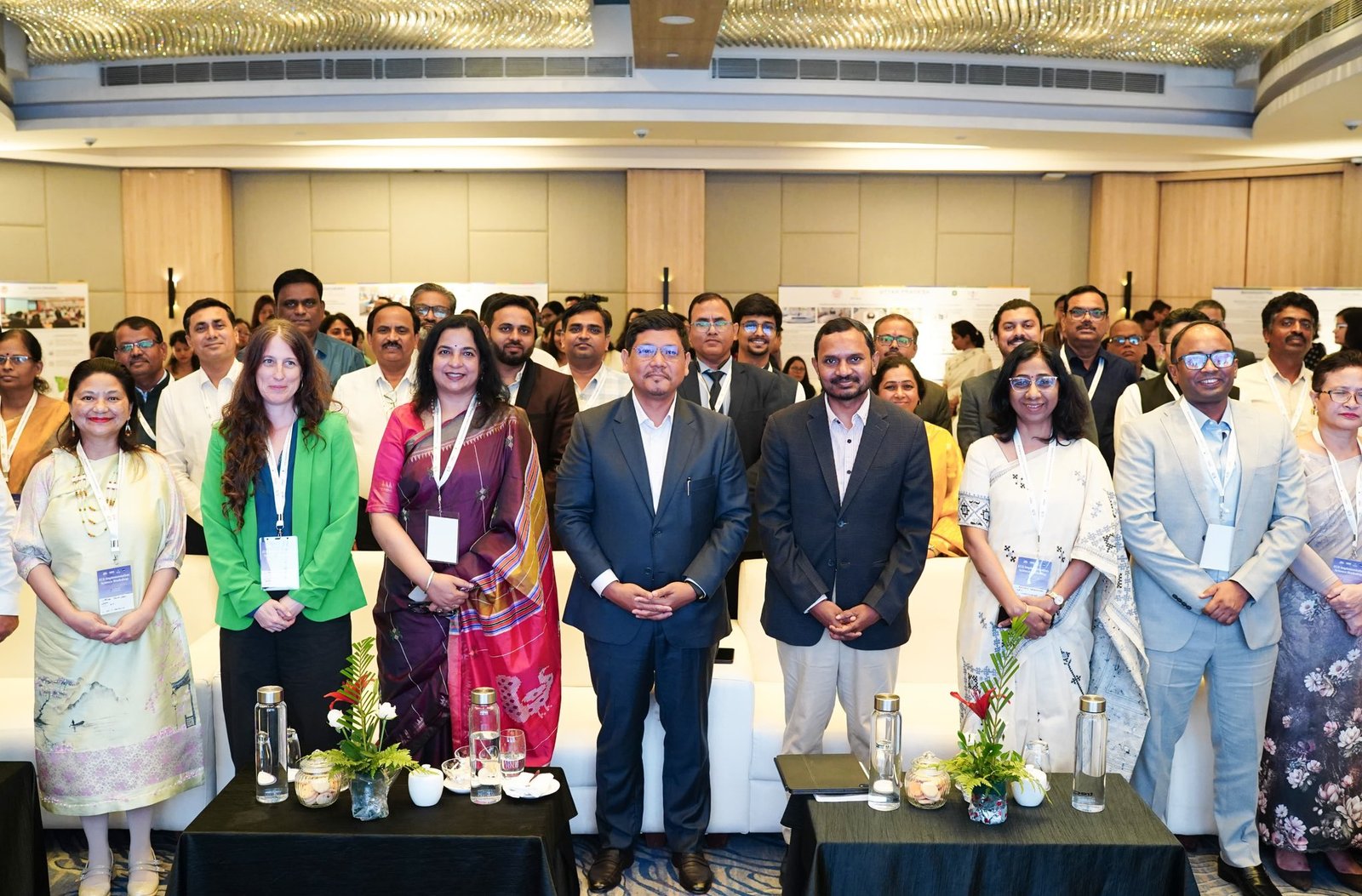
Shillong, Jun 1: A three-day Early Childhood Development (ECD) implementation science workshop began here today bringing policymakers, development practitioners, experts, and stakeholders from across India to strengthen integrated systems for early childhood development.
The workshop is being organised under the Meghalaya Early Childhood Development Mission (MECDM) in collaboration with the State Capability Enhancement Project (SCEP), the Van Leer Foundation, and the Asian Development Bank (ADB), under the theme, “From Science to State Action — Building Integrated Systems for Early Childhood Development.”
The workshop seeks to bridge the gap between scientific evidence and practical actions that improve outcomes for children and families. Participants will explore the latest research and global learning in ECD, with a focus on translating these insights into effective policies and practices.
Additional Chief Secretary Sampath Kumar emphasised Meghalaya’s commitment to enhancing ECD through integrated governance. He highlighted that child development requires collaboration across multiple sectors, including health, nutrition, and education. He noted that since adopting the vision of becoming a developed state, Meghalaya has invested significantly in strengthening institutions, leadership, and public service delivery systems.
Kumar said the State’s ECD journey was guided by scientific evidence demonstrating the importance of the early years in shaping lifelong outcomes. These learnings led to the establishment of the Meghalaya Integrated Early Childhood Development Mission, making Meghalaya one of the first regions in the Asia-Pacific to implement a comprehensive integrated ECD mission.
Stressing the importance of cooperative federalism, he said the workshop provides an opportunity for states to learn from one another and build lasting platforms for collaboration and innovation. Despite the progress made, he observed that nearly 30 per cent of children continue to face developmental challenges, underscoring the need for sustained commitment and collective action.
Chief Minister Conrad K Sangma, who inaugurated the workshop, highlighted how maternal mortality and infant mortality are interconnected issues that require a holistic view of health, education, and economic empowerment.
He spoke about the Mother Programme and said the government is committed to support the lives of women and children at every stage.
Sangma said the growth of self-help groups from about 4,500 to nearly 60,000 showcases the state’s efforts to empower young mothers economically. He said such workshops are vital for sharing ideas and fostering partnerships to ensure that every child reaches their potential and that every mother receives the necessary support to thrive.
Patricia Núñez Zamora of the Van Leer Foundation showcased Chile’s innovative approach to Early Childhood Development (ECD) through its comprehensive system, “Chile Crece Contigo” (Chile Grows With You). She said this initiative aims to provide personalised support for families from pregnancy to childhood, merging health, education, and social protection services.
Zamora emphasised that the challenge isn’t a lack of resources but rather the need to effectively translate scientific evidence into practice.