










Racial discrimination against people from Northeast India has come into public discourse time and time again. Despite their myriad achievements, they continue to face prejudice based on their distinct features. On February 19th, a distressing incident occurred in Malviya Nagar, Delhi, involving three young women. What began as a typical complaint regarding noise from a drilling project morphed into outright harassment. The women alleged that they were subjected to racial abuse that included derogatory stereotypes about their character and employment, worsening the situation. Such incidents not only damage personal dignity but also highlight the persistent challenge of ‘othering’ people from the Northeast.
The country boasts of being the world’s 4th largest economy, boosting infrastructure, and driving technology, yet social behaviours, mindsets, and cultural norms have not modernised at the same pace. Stereotypes are rarely created new; they originate from families, as the first social unit. Recycled stereotypes must end and it starts from home. Parents also play a crucial role in shaping perspectives. Encouraging conversations about cultural differences within families can enhance children’s understanding of their peers’ backgrounds. This begins with confronting biases and educating young minds about the importance of embracing diversity. Educational institutions are secondary. Lessons on cultural diversity and the historical context of racial prejudices into school curricula, educators can lay the groundwork for a more inclusive mindset among children.
The issue of racial discrimination in India, particularly against marginalised communities, has led to significant legal discourse and institutional responses. However, laws have often fallen short in practical applicability. Many victims of discrimination continue to suffer in silence, deterred by systemic barriers such as inadequate police response and insufficient awareness of legal rights. To combat this, a multi-faceted strategy is vital, encompassing immediate legal reforms, enhanced training for law enforcement and community awareness programs regarding legal rights.
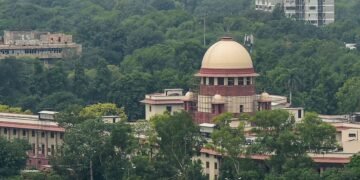
Recently, the Supreme Court of India has stepped in and ordered establishing a monitoring committee to oversee incidents of racial discrimination of the people of Northeast. This signals a proactive approach to address this pressing issue. But while we recognise these issues, society must also strive for a shift in mindset. The responsibility falls on every Indian—to foster sensitivity and understanding towards diverse cultures. Educating ourselves and the younger generation will be crucial in dismantling these discriminatory beliefs.
Racial discrimination is not merely a legal issue but a cultural failure. By collectively acknowledging biases and making conscious efforts to eliminate them, Indians can begin to treat everyone as equals, embracing its rich diversity.