





Shillong, Aug 28: Chief Minister Conrad K. Sangma has stressed the need for a state-wide audit of the Jal Jeevan Mission (JJM) the central flagship scheme aimed at providing tap water connections to all rural households.
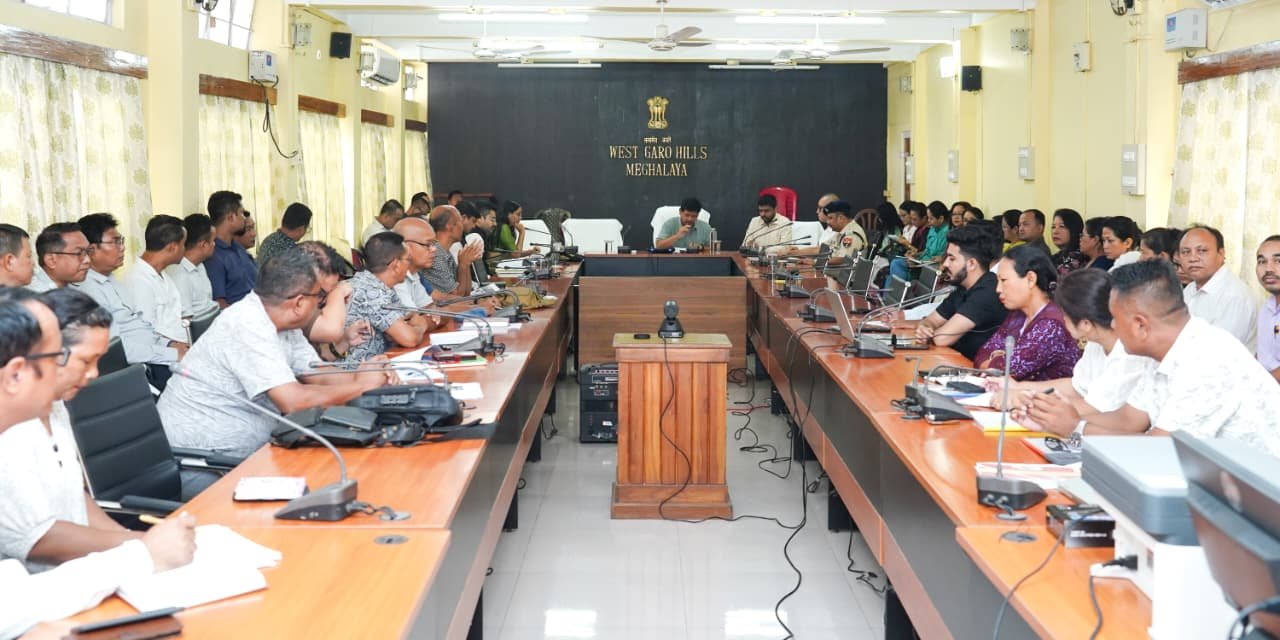
Sangma, who chaired a review meeting in Tura, dedicated a significant portion of the discussion on the JJM. He said an audit would identify which schemes are functional and which are failing, so that solutions can be systematically planned.
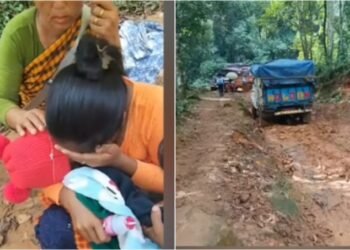
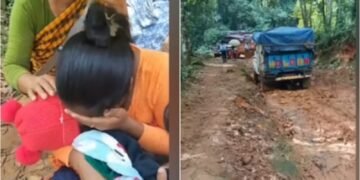
While reports show 90 per cent completion of work, it was acknowledged that ground realities differ significantly, with nearly 20 per cent of households still facing water supply challenges.
The Chief Minister noted that in hilly areas, power shortages affect water supply schemes, while in plain regions solar-based projects often fall short of demand. The poor functioning of Village Water and Sanitation Committees (VWSC) was identified as a major hurdle, with many committees inactive and reluctant to take responsibility without financial support.
The meeting discussed the technical shortcomings of early projects, many of which were based on outdated infrastructure that was never designed to serve current populations. Shortcomings in DPRs, such as insufficient water sources, inadequate pipe sizes, and improper implementation by contractors, have affected performance. Delays due to forest clearance requirements were also noted.
The Chief Minister acknowledged that while the rush to meet targets may have compromised sustainability, the focus must now shift to corrective measures. He urged officials to prioritise quickly resolvable schemes while developing long-term solutions for complex issues.
Financial constraints were also raised, with nearly Rs 2,000 crores pending payment to contractors due to delays in fund release from the Government of India. He expressed hope that the situation would improve by year’s end.
Sangma also noted that maintaining VWSCs would require nearly Rs 500 crores annually, which is unsustainable for the State, and suggested exploring cluster-based approaches, cost-sharing with villagers, and partnerships with self-help groups, NGOs, and youth organizations.
Proposals such as introducing maintenance contracts requiring contractors to remain responsible for 2–3 years post-completion and engaging local community members for small incentives were welcomed as practical solutions.
On the progress of the Tura Medical College, officials reported that construction work has reached 78 per cent completion and is on track to be finished by September 2026. However, road safety concerns were highlighted, particularly a steep slope near the bridge that may require realignment. Faculty recruitment remains a major challenge, with requirements for professors, associate professors, tutors, and residents proving difficult to meet even in established institutes.
On Shillong Medical College, officials confirmed that classes are expected to begin by next month.
The Chief Minister highlighted that by the mid-2030s, with Shillong, Tura, and USTM medical colleges operational, Meghalaya will be producing more than 550 doctors annually, significantly reducing the State’s dependence on central pool seats and strengthening the healthcare system.
He also assessed the status of sports development and infrastructure and emphasised that sports must be nurtured from the grassroots, beginning at the village and block levels, through the creation of basic facilities, identification of land, and provision of coaching support. He stressed the need for stronger engagement of local clubs and associations in nurturing young talent. Regular district and state-level tournaments were discussed as a way to standardize formats and ensure consistent participation, with chess and athletics highlighted as areas of strong potential across the State.
Concerns were raised about the availability of trained coaches and referees. Proposals were discussed for capacity-building programs, training of local officials, and leveraging retired athletes to contribute to grassroots training.
Land use and infrastructure planning were also discussed, with the proposal to integrate multipurpose complexes that can serve administrative, secretariat, and sports needs.