





Shillong, Nov 11: Coal mining-affected villages in South Garo Hills are witnessing transformation through community-led restoration and livelihood initiatives, highlighted during a DIPR press tour for journalists from Shillong.
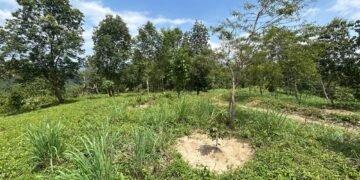
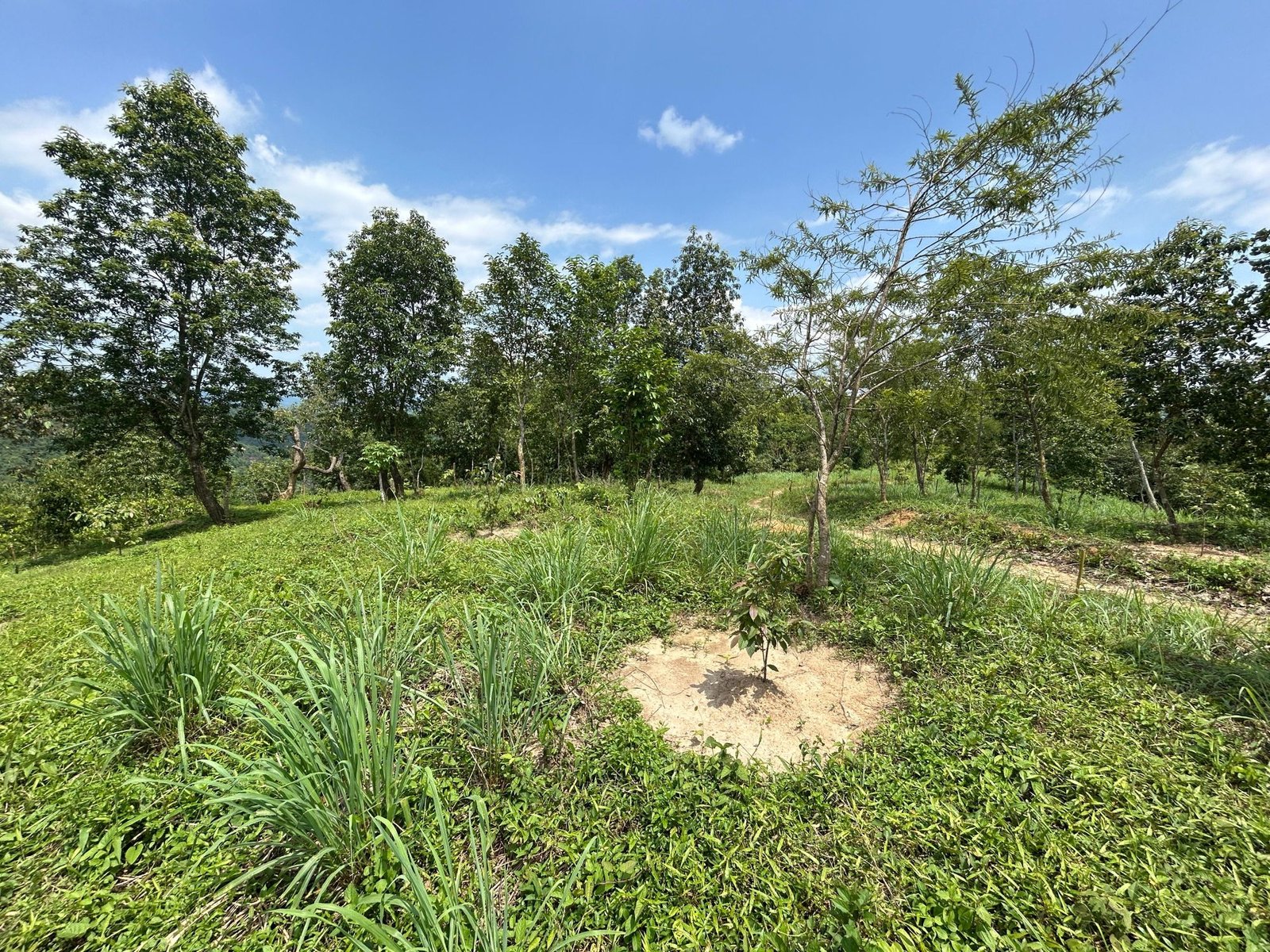
In Dobakol Awemong and Agrenggitim villages under Siju C&RD Block, a total of 84.77 hectares of degraded land have been restored under the Meghalaya Livelihoods and Access to Markets Project (MegLIFE). The team also visited the citronella plantation at Nangalbibra.
Of the total, 70.83 hectares have been covered under Assisted Natural Regeneration (ANR), with 400 saplings planted per hectare. Another 13.94 hectares have been brought under aromatic grass cultivation, mainly citronella and lemongrass.
The citronella plantation in Agrenggitim village was started in 2023 with around seven lakh citronella slips across 13.94 hectares, with active participation from local women. Tree plantation began from 2025 onwards.
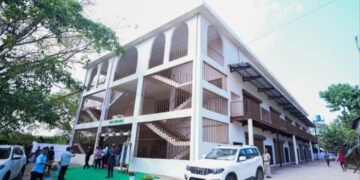
A distillation unit has been set up to process aromatic grasses into essential oils. Villagers have been trained to operate it, and market linkages have been facilitated for sale of products.
The initiative is also contributing to soil restoration, water conservation, improvement of local water bodies and reduced siltation, a press release said.
Vermicompost earns farmer Rs 63,000 a year
As part of the tour, the team also visited Dabram village under Baghmara C&RD Block and interacted with 36-year-old farmer Sengkey Ch. Sangma, who has taken up scientific vermicompost production with support from the Agriculture and Farmers Welfare Department under the Organic Manure Scheme 2024-25.
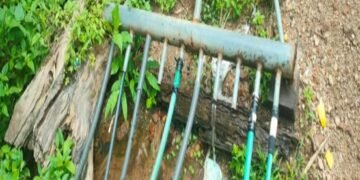
With guidance from the Agriculture Department and ATMA, Baghmara, she established two vermicompost beds measuring 6 ft by 3 ft each on August 28, 2025, using cow dung, banana leaves, banana pseudostems and other agricultural residues.
Each bed produces about 150 kg per harvest, giving a total of around 300 kg. The compost takes about one and a half months to mature.
With an initial investment of about Rs. 25,000, she sells vermicompost at Rs. 50 per kg and earthworms at Rs. 4 each. With four harvests annually, the two beds can produce about 1,200 kg, generating an estimated annual income of Rs. 60,000 from compost sales. She has also earned about Rs. 3,000 from sale of 750 earthworms, taking her gross annual earnings to Rs. 63,000.
Another beneficiary, Mengstone R. Sangma, supplied 6,000 earthworms to the Horticulture Department at Rs. 3 per worm, earning Rs. 18,000.
Under the Organic Scheme, seven vermicompost units were established in 2024-25 and eight more in 2025-26, taking the total to 15 units in South Garo Hills.