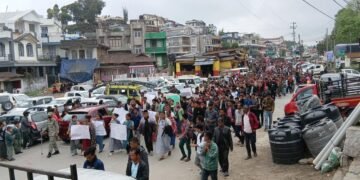











The mysterious death of 36-year-old Uttrakashi journalist Rajeev Pratap has once again brought to the fore the stark realities of threats hanging over the lives of intrepid journalists who have evinced a lot of courage to espouse the cause of truth in India. This is not the first as the country sees a total number of five journalists killed this year. Besides, being a killing field of journalists, the “lucky” ones are jailed for their writings demanding action for various injustices in the society and polity. The most notorious was the killing of Gauri Lankesh, who was shot point blank as she entered her house. She consistently exposed the failures of the ruling dispensation and their cohorts.
Safety and security of journalists is grim in the country though the press is considered the fourth pillar of democracy. As of 2025, India is ranked 151 out of 180 countries on the Press Freedom Index. This is a slight improvement from its 2024 rank of 159. India is one of the most dangerous countries in Asia for journalists. Committee to Protect Journalists data shows that at least 12 journalists have been killed in India since 2017 because of their work, while many others have faced threats, harassment, or legal action or jail.
Deaths of many journalists remain mysterious even today with justice running at a snail pace. Delayed justice highlights the lack of coherent legal framework or assistance for journalists and their families. The Indian judicial system provides for no measures for the safety of journalists or for them to take legal action against harassers. The impunity that assassins and masterminds of these killings enjoy sends out a message that journalists who are doing their job by unearthing corruption have no safety cover and can be eliminated at ease. There has not been any case in which the murder of a journalist has been solved and the criminals convicted by the courts. In fact, getting justice is even tougher than for others because the perpetrators are usually the rich and powerful, whom the reporter was exposing in the media outlet. It is necessary for the justice system to expedite investigation, prosecution and conviction in murder cases of journalists.
While there has never been any serious debate among Indian media houses except by way of expressing a symbolic condolence whenever a journalist was killed in action, the society as a whole must recognise the indispensable role of journalists in sustaining democracy by holding institutions accountable. Protecting journalists from threats, intimidation, or violence is not just a matter of law and order but a crucial endeavour for a free and fair society and so also authorities and media organisations to implement robust safety mechanisms and cultivate an environment where journalists can perform without fear.