











Emerging climatic conditions necessitate the adoption of climate-resilient cultivation practices. Given that rice is the primary cereal crop of Meghalaya, it is crucial to implement these practices with regards to this crop.
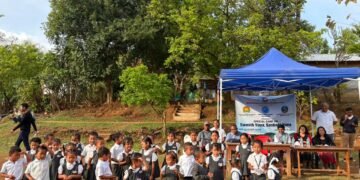
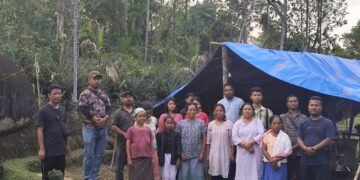
In light of this, ICAR-Krishi Vigyan Kendra, Tura organised a training programme on ‘Climate Resilient Rice Cultivation’ at Marapara village today, which was attended by 45 farmers.
The programme featured detailed discussions and training sessions led by Priyanka Saha and Tarun Kumar Das, focusing on climate-resilient techniques such as direct-seeded rice (DSR) cultivation.
DSR systems have a significant potential to reduce environmental impacts and boost production, thereby ensuring sustained productivity and environmental quality, a press release stated today. Nowadays, the availability of improved rice varieties enables the adoption of these resilient cultivation practices, ensuring stable productivity even under extreme weather conditions.
The training programme concluded with the distribution of flood-resistant rice varieties, Ranjit Sub 1 and Bahadur Sub 1, which can withstand submergence for 15-20 days. Additionally, 350 disease-free planting material of Khasi mandarin was also distributed.