











On October 1, Iran launched a massive missile attack on Israel, triggering widespread panic. The attack was in response to Israel’s killings of Hezbollah chief Hassan Nasrallah and Hamas chief Ismail Haniyeh, among others. Israel has threatened a tit for tat. As the conflict in the Middle East escalates with Israel vowing to retaliate after the missile attacks by Iran, oil prices surged more than 3 per cent on October 2. As Israel and the United States vowed retribution, a full-blown war will result in a big spurt in crude oil prices. India imports most of its oil and gas and higher prices will impact inflation as well as economic growth.
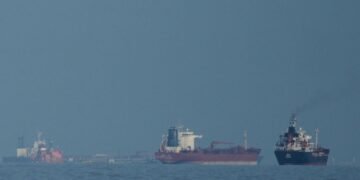
India is bracing for a wider trade disruption. Most of India’s energy imports will be jeopardised if a full-blown war breaks out between Iran and Israel. Iran’s allies Hezbollah and Houthis too would be expected to escalate their attacks. Important oil shipping routes such as the Red Sea and the Strait of Hormuz will be disrupted. India imports oil from Russia through the Red Sea and in case of wider conflict the shipments will have to take the longer route via the Cape of Good Hope to avoid attacks. India relies heavily on the Red Sea route through the Suez Canal for its trade with Europe, the US, Africa, and West Asia.
A direct conflict between Israel and Iran would mean a protracted disruption of the crucial Red Sea shipping route. What will be more worrisome for India would be the blocking of the Strait of Hormuz through which it gets its LNG from Qatar and oil from Iraq and Saudi Arabia. A disruption in India’s oil and gas imports can throw the economy into disarray, spiking inflation and forcing the RBI to keep interest rates high. The Red Sea crisis started in October last year, with Iran-backed Houthi rebels in Yemen disrupting trade in the area. The Israel-Iran conflict can lead to higher cargo freight rates as the Houthis will intensify attacks on ships travelling via the Red Sea route.
A direct conflict between Israel and Iran may severely disrupt this crucial trade route for the Indian exporters. Indian companies use the Red Sea route through the Suez Canal to trade with Europe, North America, North Africa, and part of the Middle East. These regions accounted for 50 per cent of India’s exports. Further, the bilateral trade between India and the Gulf countries contributes 15 per cent of India’s total trade. However, the attacks on ships sailing in the Red Sea area since November last year have forced companies to look for alternative, longer routes past the Cape of Good Hope. This has not only stretched delivery time by 15-20 days but also increased the transit cost substantially.