



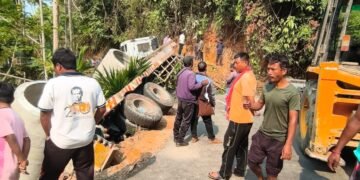





Shillong, Feb 6: Thangsko yesterday joined the list of places to have experienced a loss of life at an illegal coal mine, which has been an unfortunately all too common occurrence even after rat hole mining was banned in Meghalaya in 2014.
However, before 25 (at last count) men lost their lives in the explosion on Thursday morning, there had been an incident in December in the same area that was shrouded in mystery, not least because the authorities denied that it had ever taken place.
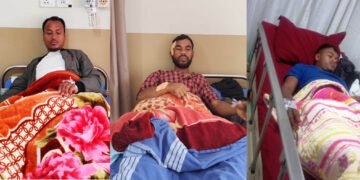
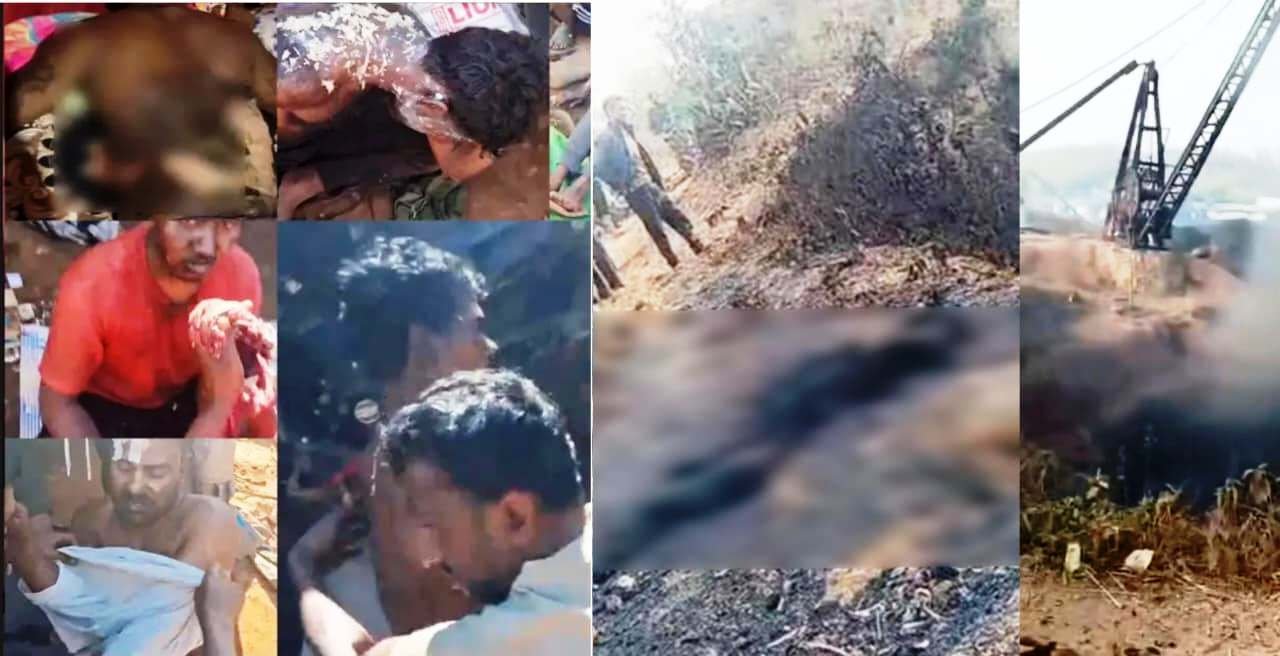
The incident occurred on December 23 allegedly during illegal coal mining. A graphic video emerged showing several men with serious injuries. Ashok Tamang, one of the victims, stated in the video that an explosion caused his injuries. He died on New Year’s Day at Shillong Civil Hospital.
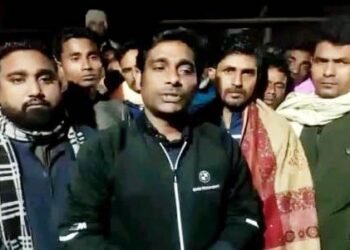
Being around the holiday season, news was slow to emerge from the site of the blast. When the police finally reacted – prodded by the Justice (retd) BP Katakey committee, the video and public opinion – they cast doubt on the location of the blast being Thangsko. The headman and residents of the village also claimed not to recognise the individuals in the video or the location.
However, it was known that Tamang was first admitted for treatment at Sutnga Community Health Centre, which is also in East Jaintia Hills, on December 23. As Thangsko falls under Elaka Sutnga, it seemed reasonable to assume that the explosion occurred somewhere nearby if not in Thangsko specifically.
Although the state police and Meghalaya government insist that they work to combat cases of illegal coal mining and transportation, the claims are hard to believe given the number of incidents that have come to light over the years and the public is highly sceptical, especially as many families of and others connected to politicians have made fortunes from stripping these hills of coal.
No progress has been made in the December 23 incident, which would have suited the mine owners just fine. It was almost forgotten, a blip in the state’s awful history of mining disasters, before Thangsko of February 5 occurred.
One person who tried her best to get the December incident investigated was noted social activist Agnes Kharshiing. She has personally suffered for her fight against illegal mining after being seriously injured in a case of assault by individuals involved in the coal trade in 2018.
Kharshiing wrote to the Central Bureau of Investigation (CBI) in New Delhi to call for an investigation into the police and EJH district administration for the “suppression of criminal acts”. The letter was dated January 8 and it was on the 23rd of that month that the CBI passed the buck to Meghalaya’s Chief Secretary, as the matter was “outside the jurisdiction” of the CBI.
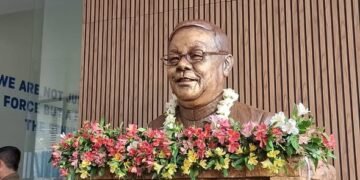
Illegal coal mining in EJH is a fact – it is taking place in the district even today, Justice (retd) Katakey told reporters. “Coming from Khliehriat to this place, I have seen on both sides of the road the [illegal] mining,” he said at Thangsko. “No doubt about it. Somebody may deny it, for different purposes, but still I will say that illegal mining is going on,” he said while also referring to the December incident.
Twenty-five men might still be alive today had the police and the district authorities taken Ashok Tamang’s death more seriously and clamped down on illegal coal mining, which has enriched a few well-connected landowners at the expense of the state’s environment, exploited workers and future generations.