










Meghalaya’s Early Childhood Development Mission has been praised for its effectiveness by an expert in paediatrics and childhood development, the state government said in a press release today.
Dr Jack Shonkoff has heralded the mission and said that it can be an example for other states and countries to follow.
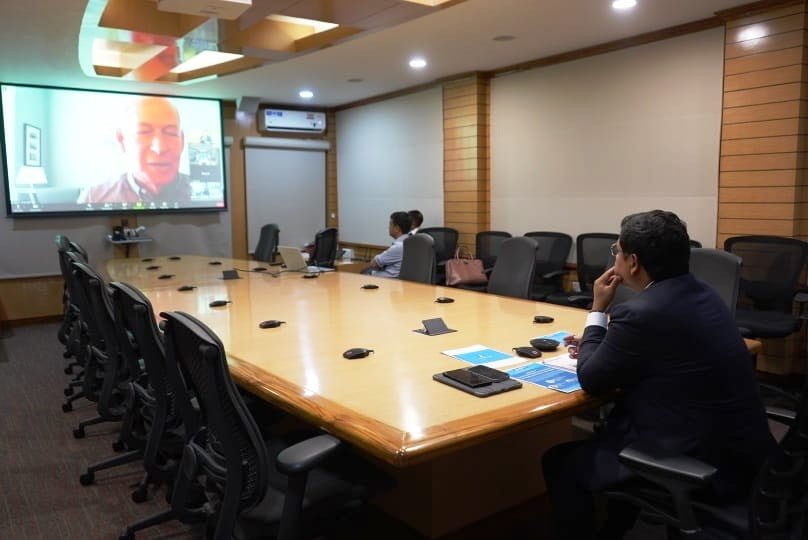
This high praise was made as part of a presentation to the Meghalaya State Capability Forum on Wednesday. The event was attended by policymakers and researchers to explore how Meghalaya can leverage the science of early childhood development to break the chain of intergenerational poverty.
Dr Vinod K Paul, a paediatrician and member of NITI Aayog, was also present on the occasion.
Recently launched, the ECD Mission provides three core components of care for young children and their families – healthy nutrition to ensure full growth of each child, mental stimulation to ensure each child’s proper cognitive development and support groups and mentoring of parents, the release added.
The ECD Mission has also extended coverage of supplementary nutrition to 1,500 villages that have never before been covered under central government’s Integrated Childhood Development Scheme (ICDS).
By this one move, approximately 50,000 children and 10,000 parents are now receiving nutrition support through self-help groups (SHGs). As such, the ECD Mission is both deploying the latest in scientific understanding for childhood development, while also building on the particular cultural strengths of Meghalaya, namely, its community institutions.
Dr Shonkoff, the keynote speaker at the event, is the Director of the Center on the Developing Child at Harvard University and a pioneering global researcher in the field.
He spoke about the importance and potential gains from investing in the early childhood period when the brain goes through the highest rate of development. He presented the latest scientific evidence on how repeated exposure to stress can change the brain and lead to lasting detrimental impacts on a child’s ability to learn and their long term mental and physical health. As such, the early childhood period presents a critical window when there is a strong need for a supportive adult-child relationship. Moreover, a sense of social security and supportive community environment also play an important role. He ended his presentation by emphasising the need to set the bar high, making strategic investments and learning from our failures.
Meghalaya fares poorly in Sustainable Development Goals, Chief Minister Conrad K Sangma admitted, but the state is “committed to become a top state in the country in its human and economic development,” the release stated.
Sangma also suggested that Meghalaya’s low pass percentage in Class 10 exams is down to “deficient care and support for children in the early years.”
Dr Paul also emphasised the importance of early childhood and how science and evidence should drive policies. He acknowledged the efforts that Meghalaya is making by prioritising investment in ECD.